Selenicereus hamatus Care

Selenicereus hamatus

About Selenicereus hamatus

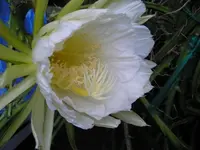
Selenicereus hamatus is an epiphytic cactus known for its long, pendant, heavily lobed stems and spectacular large white night-blooming flowers. It is often grown in hanging baskets or on supports, where the trailing stems can be displayed clearly.

This species occurs naturally in warm forests of southern Mexico, where it grows on trees or rocks rather than in dense ground soil. Its preferences make it relatively easy for those who understand how to care for Selenicereus hamatus, as it tolerates typical indoor conditions if given enough light.

The plant prefers bright, indirect light, a very free-draining substrate, and careful watering that allows the roots to dry slightly between waterings. Its growth is fast in warm conditions but slows markedly in cooler, darker environments.


Main Plant Requirements

Care Difficulty

Moderate Care

Light Preference

Partial Sun

Water Requirements

Low Water

Temperature Preference

Tropical / Frost Sensitive

Hardiness Zone

10–11

Soil Texture

Sandy, Loamy, Rocky

Soil pH

Slightly acidic (6.5–7.0), Neutral (7.0)

Soil Drainage

Well-drained

Fertilization

Light (every 4–6 weeks)

Get Personalized Care Plan

Scan your plant to receive care tips personalized for your specific plant

Available on iOS and Android

How to Care for the Selenicereus hamatus

This climbing cactus prefers bright, indirect light that mimics filtered sun in its native habitat.

  • Provide 4–6 hours of bright, indirect light daily, such as dappled sun under a tree canopy or shade cloth.
  • Allow gentle morning sun but protect from strong midday and afternoon sun, which can cause yellowing or scorched patches on stems.
  • Tolerates partial shade, but long-term low light leads to weak, etiolated growth and fewer flowers on Selenicereus hamatus.

Watering should balance drought tolerance with the plant’s need for periodic deep moisture.

  • Let the top 3–5 cm of soil dry before watering, then soak thoroughly so excess drains away from the root zone.
  • In spring and summer, expect more frequent watering as growth and evaporation increase; reduce frequency sharply in cooler months.
  • Watch for shriveling, thin stems as a sign of underwatering, and soft, yellowing, or blackened stems as early signs of overwatering in Selenicereus hamatus.

Temperature management should reflect a warm, frost-free climate with some tolerance for heat.

  • Aim for active growth in 65–80°F (18–27°C), which supports strong stems and flower development.
  • Protect from cold below 50°F (10°C) and avoid any frost, since tissue damage can occur quickly around 32°F (0°C).
  • Short periods up to 90–95°F (32–35°C) are tolerated if shade and airflow are good, but prolonged extreme heat stresses the plant and slows growth.

This species prefers relatively dry air and usually does well in typical indoor humidity.

  • Target 30–50% humidity, avoiding excessively damp rooms that stay above ~60%.
  • Tolerates dry air but may show humidity stress as shriveling, limp segments, or slow recovery after watering if air is extremely dry for long periods.
  • Increase humidity slightly, if needed, with grouped plants or a nearby open tray of water, but avoid misting that keeps stems wet.

This cactus needs a very free-draining, airy mix that dries quickly after watering.

  • Use a gritty mix such as 50–70% mineral components (pumice, perlite, coarse sand) blended with 30–50% cactus potting mix or lean compost.
  • Aim for a slightly acidic to neutral pH around 6.0–7.0, which supports nutrient uptake without encouraging rot.
  • Improve aeration by including chunky particles like fine orchid bark so roots get oxygen and excess water leaves the root zone fast.
  • Avoid dense, peat-heavy or clay-based soils that stay wet, as these greatly increase the risk of root and stem rot in Selenicereus hamatus.

This species is well suited to container growing due to its sprawling, climbing habit.

  • Choose a wide, heavy pot that resists tipping as the long stems hang or climb on supports.
  • Select a pot material that matches your climate, such as unglazed clay to let the mix dry faster in humid or cool conditions.
  • Ensure large, unobstructed drainage holes and use a coarse bottom layer of chunky mix rather than stones so water exits quickly.

This epiphytic cactus benefits from light, targeted feeding during its active season for balanced growth and flowering.

  • Use a balanced liquid cactus fertilizer (around 10-10-10) diluted to 1/4–1/2 strength to avoid salt buildup in the roots.
  • Feed Selenicereus hamatus every 4–6 weeks from spring through late summer when new stems elongate.
  • Stop feeding in fall and winter, when growth slows, to support a natural rest period and reduce rot risk.
  • For containers, occasional top-dressing with a small amount of fine compost can support micronutrient levels without overfeeding.

This climbing cactus responds well to light structural pruning that manages size and encourages healthier growth.

  • Carry out pruning in late winter or early spring, before the main flush of new growth starts.
  • Use clean, sharp scissors or pruning shears to remove dead, damaged, or shriveled stems at the base.
  • Thin out crowded or crossing stems to improve air flow and light penetration, which supports flowering zones.
  • Shortening overly long, unbranched stems can direct energy into side shoots and a fuller plant outline.

Container-grown plants benefit from occasional repotting to refresh the mix and prevent root congestion.

  • Check for roots circling the pot, pushing out drainage holes, or noticeably slower growth as signs repotting is due.
  • Plan to repot every 2–3 years in late winter or early spring, just before active growth resumes.
  • Choose a pot only 2–5 cm wider with excellent drainage and use a very free-draining cactus or epiphyte mix.
  • Gently loosen outer roots, keep the root ball mostly intact, and water lightly after repotting to limit stress and rot risk.

New plants are most commonly produced from stem cuttings taken during the warm growing season.

  • Take 10–15 cm healthy stem segments in late spring or summer, cutting between joints with a clean tool.
  • Allow cut surfaces to callus in a dry, shaded place for 3–7 days to reduce infection and rot.
  • Insert the callused end into a shallow tray of slightly moist, gritty cactus mix, keeping segments upright or gently laid on the surface.
  • Provide bright, indirect light and warm temperatures around 70–80°F, watering sparingly until firm roots form in several weeks.

This species is frost sensitive and needs cool, dry winter conditions without exposure to freezing.

  • Keep temperatures above 45–50°F; prolonged exposure below this range can damage stems and roots.
  • Move container plants indoors or into a greenhouse before the first frost, providing bright, indirect light.
  • Water very sparingly in winter, allowing the mix to dry almost completely between light waterings.
  • In mild climates, outdoor plants benefit from a coarse mulch over the root zone, keeping mulch slightly away from stems.

Care Tips

Wall-mounted support

Install sturdy wall-mounted hooks, mesh, or a trellis 30–60 cm away from the pot so the long, heavy stems can be looped and clipped with soft ties, preventing breakage and giving better light exposure along the whole stem length.

Night-blooming checks

In late spring and summer, inspect buds in the evening every few days and avoid moving or rotating the plant once buds appear, since even small shifts can cause the large night-blooming flowers to abort before opening.

Targeted stem pruning

After flowering, remove only damaged, badly tangled, or inward-growing stems with clean, sharp pruners, which improves air movement through the canopy and reduces the risk of fungal spotting along the ribs.

Dry climate adjustment

In very dry indoor air or heated rooms, place the pot inside a larger cachepot filled with coarse gravel (kept just barely damp) to create a slightly more humid microclimate around the stems without wetting the root zone.

Quarantine and scouting

When bringing in new cacti or succulents, keep them at least 1–2 m away for 3–4 weeks and use a hand lens to check stem ribs and areoles weekly for early signs of mealybugs or scale, which is one of the most effective long-term strategies for caring for Selenicereus hamatus.

Common Pests and Diseases

Mealybugs

This pest appears as small white cottony clusters tucked into stem ribs, areoles, and branch junctions, often causing yellowing and stunted growth. Symptoms include sticky honeydew and sooty mold on long hanging stems.

Solution

Isolate the plant, then dab visible insects with cotton swabs dipped in 70% isopropyl alcohol and repeat weekly until no new clusters appear. Improve air movement around the hanging stems and, for heavier infestations, use a labeled systemic insecticide or neem oil spray, ensuring good coverage of all ribs and crevices.

Spider mites

These insects thrive on thin, segmented stems in warm, dry conditions and cause fine stippling, dull patches, and webbing along the ribs. Symptoms include overall loss of vigor and a dusty look on hanging stems.

Solution

Rinse stems thoroughly with a strong but gentle stream of water, especially the undersides and inner tangles, and repeat every few days to disrupt the life cycle. Increase humidity around the plant and use an appropriate miticide or horticultural oil, applied carefully in the evening to avoid sun scorch on the succulent tissue.

Scale insects

This pest appears as small brown or tan bumps attached firmly along the ribs and at areoles, drawing sap and weakening the plant. Symptoms include yellowing sections and poor flowering in mature specimens.

Solution

Manually scrape or pry off individual scales with a fingernail or soft brush, then wipe stems with diluted alcohol to remove residues. For persistent problems, apply a systemic insecticide and inspect hanging sections regularly, since dense cascades hide early infestations.

Fungal stem spots

This disease causes small sunken brown or dark purplish lesions on the green ribs, often starting on older or shaded hanging segments exposed to prolonged moisture. Symptoms include slow expansion of spots that may become corky or crack.

Solution

Remove and discard affected stem sections with a sterile blade, cutting back into healthy tissue and allowing wounds to dry in good airflow. Reduce overhead watering, keep stems dry at night, and, if spread continues, apply a copper-based or other labeled fungicide as part of broader Selenicereus hamatus care instructions.

Interesting Facts

Hooked night-blooming stems

This species has long, flattened, deeply notched stems with pronounced hook-like lobes that help it catch and hang onto surrounding vegetation as it climbs in its native Mexican habitats.

Highly specialized moth pollination

Its very large, fragrant white flowers open only at night and are adapted for pollination primarily by nocturnal moths, especially hawkmoths, which are attracted by the pale color, strong scent, and abundant nectar.

Epiphytic cliff dweller

In the wild it often grows as an epiphyte on trees or anchored in rock crevices on limestone cliffs, relying on well-aerated crevices and organic debris rather than deep soil.

Botan icon

Did you know?

Botanists consider this one of the most distinctive species in its genus because of its unusually deeply hooked stem margins, which are so characteristic that they inspired the species name hamatus, meaning hooked.

FAQs about Selenicereus hamatus

This species usually needs to be several years old and well established before flowering. Inadequate night-time temperature drops, lack of a slight dry rest period, or recent repotting can all delay bud formation and flowering.

Grow Healthy Plants with Botan Care

Keep your plants happy and healthy with plant identification, disease detection, and easy care guidance.

Botan plant care app — identify plants on mobile

Explore More Plants