Episcia lilacina Care

Episcia lilacina

About Episcia lilacina

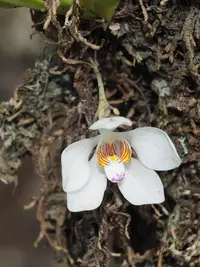
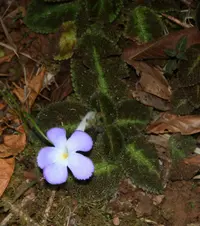
Episcia lilacina is a small, creeping tropical plant in the African violet family, grown mainly for its patterned foliage and dainty tubular flowers. It forms low, spreading mats, making it suitable for hanging baskets, terrariums, or as a trailing accent around other plants.

This species comes from humid, shaded forests of Central and South America, so it prefers warm temperatures, soft filtered light, and evenly moist but airy soil. It is considered moderately easy indoors if humidity is kept stable and cold drafts are avoided.

Once the right environment is provided, how to care for Episcia lilacina focuses mostly on consistent moisture, protection from harsh sun, and avoiding soggy conditions that encourage root problems.

Main Plant Requirements

Care Difficulty

Moderate Care

Light Preference

Bright Indirect Light

Water Requirements

Keep Soil Moist

Temperature Preference

Tropical / Frost Sensitive

Hardiness Zone

11–12

Soil Texture

Loamy, Peaty, Organic-rich

Soil pH

Acidic (5.5–6.5), Slightly acidic (6.5–7.0)

Soil Drainage

Moist but well-drained

Fertilization

Light (every 4–6 weeks)

Get Personalized Care Plan

Scan your plant to receive care tips personalized for your specific plant

Available on iOS and Android

How to Care for the Episcia lilacina

This trailing gesneriad prefers bright, gentle light that mimics a forest understory.

  • Provide 6–8 hours of bright, indirect light each day; east-facing windows or lightly shaded greenhouse benches work well for Episcia lilacina.
  • Allow brief early-morning sun but avoid harsh midday or afternoon sun, which can scorch leaves and wash out foliage color.
  • In winter, move plants closer to bright windows or use grow lights to compensate for shorter days and lower natural light levels.

This species prefers evenly moist conditions but reacts poorly to waterlogged soil.

  • Water when the top 2–3 cm of soil feel dry, using room-temperature water applied to the soil surface rather than over the foliage.
  • Ensure a loose, well-drained mix; persistent sogginess leads to root rot, while bone-dry soil causes leaf curl, limp stems, and slow growth.
  • Reduce watering slightly in cooler, darker months, watching the plant for dull, slightly drooping leaves as a cue that it is time to water again.

This tropical species grows best in warm, stable conditions without sudden temperature swings.

  • Maintain active growth at 70–80°F (21–27°C), with acceptable short-term ranges of 65–85°F (18–29°C).
  • Protect from cold; growth slows under 60°F (16°C), and damage occurs near 50°F (10°C), so avoid unheated porches or cold windowsills in winter.
  • In hot weather above 85°F (29°C), increase air movement and humidity while keeping the plant shaded from direct midday sun to reduce heat stress.

This species needs moderately high humidity to maintain healthy foliage and steady growth.

  • Aim for 50–70% humidity, similar to conditions used when caring for Episcia lilacina as a tropical understory plant.
  • Tolerates brief dips to 40%, but prolonged dry air causes curling, crisp leaf edges, and stalled growth.
  • Increase humidity with a nearby humidifier, closed glass cabinet, or grouped plants; avoid misting that leaves water sitting on fuzzy leaves.

Use a light, airy, organic-rich mix that drains quickly yet retains some moisture.

  • Choose a peat- or coco-based mix with fine bark and perlite to mimic African violet type soil for Episcia lilacina.
  • Target a slightly acidic pH around 5.8–6.5, which supports nutrient uptake and root health.
  • Ensure the mix is fluffy and non-compacting so roots receive consistent oxygen and do not sit in dense, soggy pockets.
  • Avoid heavy garden soil, straight compost, or mixes that stay wet longer than 3–4 days after watering.

This species is very suitable for container growing due to its shallow, spreading root system and trailing habit.

  • Select a wide, shallow pot to allow stolons to spread while keeping the root zone from staying cold and waterlogged at depth.
  • Use a container material that matches your environment, such as plastic for drier homes and terra cotta for very humid or cool spaces.
  • Place the pot where trailing stems can cascade freely without being crushed, which also improves airflow around the foliage.

Light, consistent feeding supports compact growth and flowering in Episcia lilacina kept indoors.

  • Use a balanced liquid fertilizer (around 10-10-10 or 20-20-20) diluted to 1/4–1/2 strength for container plants.
  • Feed every 2–4 weeks during the active growing season, typically spring through early fall.
  • Skip or reduce feeding to once every 6–8 weeks in winter when growth slows.
  • Apply only to moist soil to avoid root burn, and avoid heavy compost or strong slow-release products.

Thoughtful trimming keeps Episcia lilacina dense, tidy, and flowering well.

  • Carry out light pruning in spring and through the main growing season when plants are actively producing new stems.
  • Snip off dead, damaged, or leggy runners with clean, sharp scissors to reduce disease risk.
  • Shorten overly long stolons to encourage branching and a fuller mat of foliage.
  • Remove spent flower stems close to the base to direct energy into new leaves and buds.

Repotting helps Episcia lilacina maintain healthy roots and steady growth in containers.

  • Plan to repot every 1–2 years in spring when roots circle the pot, growth stalls, or watering frequency increases sharply.
  • Choose a shallow, slightly wider container with good drainage and a light, airy mix suited to Gesneriads.
  • Gently loosen circling roots and remove a small amount of old soil, keeping the root ball largely intact.
  • Water lightly after repotting, keep humidity moderate-high, and shade from strong sun for 3–5 days to limit transplant shock.

New plants of Episcia lilacina are most often produced from stolons and stem cuttings.

  • Take stolon tip cuttings or short stem cuttings in late spring or summer when growth is active.
  • Lay stolon tips on moist, well-drained mix or insert cuttings so 1–2 nodes contact the substrate.
  • Maintain warm temperatures around 70–75°F, bright indirect light, and high humidity for rooting.
  • Once roots form and new growth appears, separate and pot each plantlet individually in small containers.

This tropical species needs warm, frost-free conditions, so Episcia lilacina indoor care is essential in cold climates.

  • Move outdoor containers indoors before temperatures drop below 55°F, as foliage is highly frost sensitive.
  • Provide steady indoor temperatures of 65–75°F and avoid cold drafts from windows or doors.
  • Reduce watering slightly in winter, keeping the soil lightly moist but never saturated.
  • Use bright, indirect light or supplemental grow lights to compensate for short, low-light days.

Care Tips

Use shallow pots

Choose wide, shallow containers with good drainage so the stolons can quickly root along the surface and create a dense, even mat of foliage.

Refresh stolon tips

Every 12–18 months, trim and replant a few healthy stolon tips into fresh mix to keep the planting vigorous and prevent a bare, woody center from developing.

Bottom-up watering

Place the pot in a shallow tray of water for 10–15 minutes so the mix wicks moisture from below, which keeps the foliage and fine hairs dry and reduces the risk of leaf spotting.

Rotate for even spread

Turn the pot 90° every 1–2 weeks so light reaches all sides evenly and the plant spreads symmetrically instead of creeping strongly in only one direction.

Inspect leaf undersides

Check the undersides of leaves and along stolons every 1–2 weeks for early signs of mites or thrips, since catching pests early is one of the most effective steps in caring for Episcia lilacina.

Common Pests and Diseases

Cyclamen mites

This pest attacks the soft, hairy leaves and growing tips, causing distorted, stunted new growth and rough, hardened leaf surfaces. Symptoms include leaves that curl inward, lose their sheen, and fail to expand normally.

Solution

Isolate the plant, remove and discard the most damaged growth, and increase air movement around the foliage. Treat by thoroughly spraying all leaf surfaces and petioles with a ready-to-use insecticidal soap or horticultural oil labeled for mites, repeating every 5–7 days for several cycles, and avoid very hot, dry conditions that favor mite buildup when growing Episcia lilacina.

Mealybugs

These insects cluster in leaf axils, along stolons, and on leaf undersides, leaving white cottony masses and sticky honeydew. Symptoms include yellowing patches, slowed growth, and sooty mold developing on the honeydew.

Solution

Physically remove visible mealybugs with a cotton swab dipped in isopropyl alcohol, then rinse foliage gently with lukewarm water. Follow with several applications of insecticidal soap or a light horticultural oil directed into crevices and along runners, checking nearby plants and isolating infested specimens until no new insects appear.

Botrytis blight

This disease favors the fuzzy foliage and humid conditions, producing soft, water-soaked spots that turn brown and develop gray, fuzzy mold. Symptoms include collapsing leaves or stolons, especially where dead tissue has been left on the plant or soil surface.

Solution

Remove and discard all affected leaves and any plant debris from the soil, and improve air circulation by thinning dense growth and avoiding overhead watering. Keep humidity moderate rather than extreme, water early in the day so leaves dry quickly, and if needed apply a fungicide labeled for Botrytis on ornamental houseplants following label directions.

Powdery mildew

This disease appears as white, powdery patches on the velvety leaves, which can become dull, yellowed, and misshapen. Symptoms include slowed growth and reduced vigor in crowded or poorly ventilated conditions.

Solution

Increase spacing and airflow around the plant, avoid wetting the foliage, and remove heavily affected leaves. Treat remaining foliage with a potassium bicarbonate, sulfur, or neem oil product labeled for powdery mildew, applied in thin, even coverage and repeated as directed until new growth emerges clean.

Aphids

These insects feed on tender new leaves and flower stalks, causing curling, distortion, and sticky honeydew deposits. Symptoms include misshapen new growth, reduced flowering, and occasional sooty mold on the leaf surface.

Solution

Rinse the plant gently but thoroughly with lukewarm water to dislodge aphids, paying special attention to shoot tips and the undersides of leaves. Follow with targeted applications of insecticidal soap every 5–7 days until populations drop, and monitor surrounding plants to prevent re-infestation.

Interesting Facts

Lilac-toned foliage

This species is notable within its genus for its softly tinted lilac to gray-green leaf surfaces, which can show a subtle metallic sheen under bright but indirect light, making it distinct from the more commonly bronze or copper Episcia relatives.

Shallow-rooted creeper

It forms a mat of shallow roots close to the soil surface and spreads by stolons, a growth pattern adapted to the loose, organic-rich leaf litter of its native understory habitats.

Gesneriad family relative

Episcia lilacina belongs to the Gesneriaceae family, the same family as African violets, and shares similar floral structure with tubular flowers adapted for pollination by small nectar-feeding animals in its native range.

FAQs about Episcia lilacina

Lack of flowers usually comes from light that is too low, temperatures below 65°F, or irregular feeding. Provide bright but indirect light, stable warmth, and a balanced, diluted fertilizer to support regular bud formation and flowering.

Grow Healthy Plants with Botan Care

Keep your plants happy and healthy with plant identification, disease detection, and easy care guidance.

Botan plant care app — identify plants on mobile

Explore More Plants