Cerastium ligusticum Care

About Cerastium ligusticum

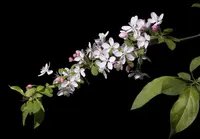
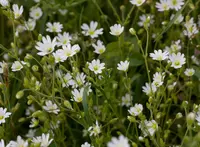
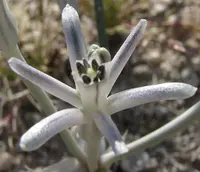
Cerastium ligusticum is a low-growing, mat-forming perennial in the carnation family, often used as a groundcover in rock gardens and sunny borders. It typically has small, gray-green leaves and produces clusters of white, star-like flowers that create a soft carpet effect when in bloom.

This species is native to rocky, coastal, and mountainous areas of southern Europe, where it thrives in well-drained, often poor soils. It is generally easy to grow for gardeners who can provide good drainage and plenty of light, and learning how to care for Cerastium ligusticum mainly involves avoiding excess moisture and heavy, waterlogged soils.

Main Plant Requirements

Care Difficulty

Moderate Care

Light Preference

Full Sun

Water Requirements

Moderate Water

Temperature Preference

Cool Climate

Hardiness Zone

6–9

Soil Texture

Sandy, Loamy, Rocky

Soil pH

Slightly acidic (6.5–7.0), Neutral (7.0)

Soil Drainage

Well-drained

Fertilization

Minimal (feed rarely)

Get Personalized Care Plan

Scan your plant to receive care tips personalized for your specific plant

Available on iOS and Android

How to Care for the Cerastium ligusticum

This low-growing perennial thrives in open, bright sites with plenty of direct sun.

  • Provide 6–8 hours of direct sun daily; full sun promotes compact growth and abundant flowering for Cerastium ligusticum.
  • Tolerates light afternoon shade in hotter regions, especially in summer, but flowering may reduce slightly in shadier positions.
  • In winter, ensure the site stays as open and unobstructed as possible so the plant receives maximum low-angle sun, preventing weak, elongated growth.

This plant prefers slightly dry to moderately moist soil rather than constant wetness.

  • Allow the top 3–5 cm of soil to dry before watering, then soak the root zone thoroughly so excess drains away freely.
  • Reduce watering in cool seasons or prolonged cloudy periods, as growth slows and wet soil increases root-rot risk.
  • Monitor foliage and soil: limp, dull leaves and very dry, crumbly soil suggest underwatering, while yellowing, soft stems indicate overwatering.

This hardy perennial tolerates a wide range of outdoor conditions when established.

  • Ideal growing temperatures are 55–75°F (13–24°C), supporting steady foliage growth and flowering through spring and early summer.
  • Tolerates light to moderate frost down to about 15–20°F (-9 to -6°C) once established, though young plants benefit from protection during sudden cold snaps.
  • Handles summer heat up to about 85–90°F (29–32°C) if soil is well drained; prolonged extremes above this can cause stress and reduced flowering.

This species handles a broad humidity range and usually needs no special humidity management.

  • Target 30–60% humidity, similar to most outdoor conditions in temperate regions.
  • Tolerates dry air well; humidity stress is rare and usually linked to severe drought, not air moisture.
  • If leaf tips brown and the soil has been dry for long periods, increase watering consistency rather than air humidity.

Cerastium ligusticum prefers mineral, sharply drained soil that does not stay wet after rain or watering.

  • Use a gritty mix such as 50–60% sandy garden soil with 40–50% coarse materials like horticultural sand, fine gravel, or perlite.
  • Aim for slightly alkaline to neutral pH, around 7.0–7.8, which suits its natural rocky habitats.
  • Improve aeration by avoiding fine peat-heavy mixes that compact and instead incorporating coarse grit throughout the root zone.
  • Avoid low-lying or clayey sites where water lingers, as persistent moisture around the crown encourages rot.

This species is well suited to container growing, especially in shallow, free-draining pots.

  • Choose a wide, shallow container that gives room for spreading growth while keeping the root zone close to fast-drying edges.
  • Use a heavy or stone container if exposed to wind, as the spreading foliage can catch wind and shift light pots.
  • Raise the pot slightly on feet or bricks so drainage holes stay clear and water runs off quickly after rain or watering.

This low-maintenance alpine perennial needs only light feeding to stay compact and floriferous.

  • Apply a balanced, slow-release fertilizer (around 10-10-10) at half strength once in early spring to support fresh growth in Cerastium ligusticum.
  • In poorer soils, top-dress with a thin layer of compost in spring instead of heavier granular feeds.
  • Avoid high-nitrogen products, which encourage weak, lush foliage and reduce flowering.
  • Stop feeding by late summer and do not fertilize in winter dormancy.

Light, timely pruning keeps this mat-forming perennial dense and flowering well.

  • Shear back spent flowering stems in late spring to early summer to encourage a compact mound and a possible light rebloom in Cerastium ligusticum.
  • Remove dead, damaged, or winter-burned shoots in early spring using clean, sharp scissors or hand shears.
  • Trim back any sprawling, thinning patches to maintain shape and prevent the plant from smothering neighbors.
  • Avoid cutting into very old, woody centers; instead, thin around them and refresh by division if needed.

This species is most often grown as a groundcover, so transplanting in the garden is more common than container repotting.

  • Transplant in early spring or early fall, when temperatures are mild and soil is workable, to reduce stress on Cerastium ligusticum.
  • Look for signs such as crowded mats, bare centers, or roots circling a pot drainage hole as indicators that relocation or division is helpful.
  • Lift clumps gently with a trowel, keep as much root ball intact as possible, and replant at the same soil depth in well-drained ground.
  • Water thoroughly after planting, then keep soil lightly moist for 1–2 weeks while roots re-establish, avoiding waterlogging.

This plant is commonly multiplied to refresh groundcover patches and extend plantings.

  • Divide established clumps in early spring or early fall, separating rooted sections and replanting them at once in free-draining soil.
  • Take 5–7 cm non-flowering stem cuttings in late spring, insert into sandy, moist medium, and keep bright but out of direct midday sun.
  • Sow seeds in trays in late winter to early spring, pressing lightly onto the surface and keeping 60–70°F and evenly moist until germination.
  • Space new Cerastium ligusticum plants to allow air flow, which reduces fungal problems as young plants establish.

This hardy perennial generally needs minimal winter attention in most temperate gardens.

  • Plants tolerate typical frost in USDA zones similar to other hardy alpines, though very wet, cold soil can cause root problems.
  • Apply a light gravel or bark mulch around, not over, crowns to improve drainage and insulate the root zone.
  • In very cold or exposed sites, container-grown Cerastium ligusticum can be moved to a sheltered, unheated porch or cold frame.

Care Tips

Control Spreading Edges

Insert shallow root barriers or edging strips 5–8 cm deep around beds in late winter to prevent this mat-forming plant from creeping into paths or neighboring plantings as growth accelerates in spring.

Encourage Dense Mats

After flowering, lightly shear back spent stems by 2–3 cm to stimulate compact, dense new growth that maintains a tight, weed-suppressing carpet rather than becoming patchy and open.

Improve Drainage Microsites

When planting on heavier soils, build low, free-draining mounds or use crevices between stones so the crown sits slightly elevated, which greatly reduces crown rot risk in wet seasons when growing Cerastium ligusticum.

Manage Self-Seeding

If seedlings are becoming excessive, remove most spent flower stems before seed ripens and leave only a few in chosen spots, which keeps populations in check while still allowing natural renewal.

Winter Wet Protection

In regions with cold, wet winters, lay a thin, very gritty mineral mulch (such as 3–6 mm gravel) around the crowns in autumn to keep foliage off saturated soil and reduce fungal issues.

Common Pests and Diseases

Leaf spot

This disease causes small brown, tan, or dark purple lesions on leaves, often with a slightly darker margin and sometimes a yellow halo. Symptoms include premature yellowing and thinning of the silvery foliage patches.

Solution

Remove and discard affected leaves to reduce inoculum, avoid overhead watering, and water early in the day so foliage dries quickly. Improve spacing and airflow around clumps, and in persistent cases use a registered copper or chlorothalonil fungicide labeled for ornamental groundcovers, following label directions carefully.

Powdery mildew

This disease appears as white, powdery patches on leaves and stems, which can dull the plant’s natural silvery look and cause mild leaf distortion. Symptoms include reduced vigor in dense, shaded, or humid sites.

Solution

Thin plants to improve air circulation and avoid overhead watering, especially in the evening. Remove heavily infected shoots, and if needed apply a sulfur or potassium bicarbonate product labeled for powdery mildew on ornamentals, repeating according to label directions until new growth emerges clean.

Botrytis blight

This disease leads to soft, water-soaked patches on leaves and stems that soon develop gray, fuzzy mold, especially in cool, damp weather. Symptoms include dieback of shoots and decline of dense groundcover mats where old growth stays wet.

Solution

Cut out and discard all affected tissue and any dead, matted stems, then thin the planting so surfaces dry faster after rain or irrigation. Avoid wetting foliage, especially in cool weather, and consider a protectant fungicide labeled for Botrytis on ornamentals if the site stays chronically damp.

Aphids

These insects cluster on young stems, buds, and undersides of leaves, sucking sap and causing curling or distortion of new growth. This pest also excretes sticky honeydew that can attract sooty mold and ants.

Solution

Rinse colonies off with a firm stream of water, repeating every few days until numbers stay low. For heavier infestations, use insecticidal soap or a horticultural oil spray, making sure to coat the undersides of leaves and tender shoots while avoiding applications during high heat or bright midday sun.

Spider mites

These pests are tiny sap-feeding arachnids that cause fine stippling, a dull gray cast on leaves, and delicate webbing between stems, especially in hot, dry weather. Symptoms include general loss of vigor and a faded appearance of the silvery foliage carpet.

Solution

Increase humidity around the plants slightly and hose down foliage regularly to dislodge mites and dust. If populations remain high, apply insecticidal soap or a light horticultural oil, directing spray to leaf undersides and repeating as needed according to label directions while monitoring the plant’s response.

Interesting Facts

Mediterranean coastal native

This species is naturally restricted to coastal and near-coastal areas of the northwestern Mediterranean, especially in Liguria and nearby regions, where it grows in rocky, dry sites exposed to salt-laden winds.

Low, mat-forming habit

The plant forms compact cushions or low mats, a growth form that helps it resist wind stress and reduce water loss on exposed coastal slopes and cliffs.

Hairy, silvery foliage

Its narrow leaves are covered in fine hairs that give a silvery appearance; these hairs help reflect strong sunlight and slightly reduce transpiration in its bright, dry native habitats.

FAQs about Cerastium ligusticum

This species forms low, spreading mats through short stems and modest self-seeding. It can edge outward over time but is not typically considered aggressively invasive. Occasional trimming and deadheading keep it within defined borders.

Grow Healthy Plants with Botan Care

Keep your plants happy and healthy with plant identification, disease detection, and easy care guidance.

Botan plant care app — identify plants on mobile

Explore More Plants