Pinch For Bushiness
When plants reach 10–15 cm tall, pinch out the soft tip above the second or third leaf pair to encourage side shoots and produce a denser, heavier-blooming clump.

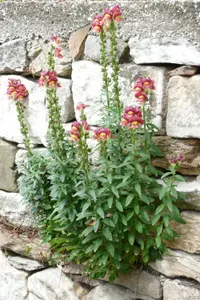
Antirrhinum majus, commonly known as snapdragon, is a cool-season flowering annual grown for its tall spikes of bright, snap-like blooms. Flowers open along upright stems, creating vertical color in beds, borders, and containers.
This plant is native to Mediterranean regions but is now widely cultivated in temperate gardens. Compact root systems and relatively fast growth make it suitable for seasonal displays and cut flowers.
Snapdragon prefers full sun, moderate moisture, and well-drained soil, which keeps plants sturdy and reduces disease problems. Once conditions are suitable, it is generally straightforward to care for Snapdragon plant, especially in mild spring and fall climates.

Care Difficulty
Moderate Care

Light Preference
Full Sun

Water Requirements
Moderate Water

Temperature Preference
Cool Climate

Hardiness Zone
7–10

Soil Texture
Sandy, Loamy, Organic-rich

Soil pH
Acidic (5.5–6.5), Slightly acidic (6.5–7.0)

Soil Drainage
Well-drained

Fertilization
Light (every 4–6 weeks)
Scan your plant to receive care tips personalized for your specific plant
Available on iOS and Android
Antirrhinum majus flowers best in cool, bright conditions with plenty of direct sun.
Antirrhinum majus prefers evenly moist, well-drained soil that never stays waterlogged.
This cool-season annual thrives in mild temperatures and struggles in extreme heat or hard frost.
This species grows well in typical outdoor humidity and rarely needs special moisture control.
Antirrhinum majus prefers moderately fertile, well-aerated soil that drains quickly yet holds some moisture.
This species is well suited to container growing when root space and drainage are managed carefully.
Antirrhinum majus benefits from moderate, consistent nutrition during its active growing and flowering season.
Pruning supports continuous bloom and a tidy shape in Antirrhinum majus.
Snapdragons are usually grown as annual bedding plants, so transplanting young Antirrhinum majus seedlings correctly matters more than later repotting.
Antirrhinum majus is most often propagated from seed, which offers reliable and economical production.
Antirrhinum majus is typically grown as a cool-season annual, so winter care is minimal in most home gardens.

Plant Health Check
Not sure what's wrong with your plant? Check your plant's health inside the app.
Snapdragon flowers have a hinged, bilabiate corolla that only opens fully when enough pressure is applied, which in nature is usually provided by heavier bee species that can force the “jaws” apart to access nectar and pollen.
This species has been a classic model organism in plant genetics for over a century, used to study flower color inheritance, floral symmetry, and gene regulation, including the role of homeotic genes that control organ identity in flowers.
The vivid petal colors are largely due to anthocyanin pigments, whose hue can shift depending on cellular pH and metal ion presence, which is why some cultivars show subtle changes in coloration under different growing conditions.

The snapdragon’s distinctive “skull” seed capsule, which looks like a small animal skull when dried and split, has contributed to its long history of folklore associations in Europe, where it has symbolized both protection from evil and, in some traditions, secrecy or concealment.
Lack of flowers usually comes from high heat, too much nitrogen fertilizer, or spent blooms left on the stems. Deadhead regularly, avoid heavy feeding with high-nitrogen products, and keep plants in cooler conditions to maintain consistent flowering.
Keep your plants happy and healthy with plant identification, disease detection, and easy care guidance.