Hosta Care (Hosta 'Fortunei Albomarginata')

About Hosta

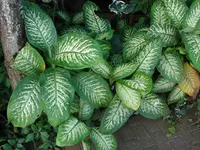
Hosta 'Fortunei Albomarginata' is a shade-loving perennial grown mainly for its foliage. It forms dense clumps of broad green leaves edged with creamy white margins, creating strong contrast in shaded beds and borders. Mature plants produce upright stems with pale lavender flowers that attract pollinators and add light vertical accents in summer.

This cultivar originates from garden selections of species native to woodland regions of Japan, Korea, and northeast Asia. It is generally considered easy to grow, as long as soil stays evenly moist and well drained and the site offers partial to full shade. Understanding how to care for Hosta starts with protecting it from strong afternoon sun and prolonged drought.

Main Plant Requirements

Care Difficulty

Easy Care

Light Preference

Partial Shade

Water Requirements

Regular Water

Temperature Preference

Cold Hardy

Hardiness Zone

3–8

Soil Texture

Loamy, Silty, Organic-rich

Soil pH

Acidic (5.5–6.5), Slightly acidic (6.5–7.0)

Soil Drainage

Moist but well-drained

Fertilization

Light (every 4–6 weeks)

Get Personalized Care Plan

Scan your plant to receive care tips personalized for your specific plant

Available on iOS and Android

How to Care for the Hosta

This shade-loving perennial performs best with bright, indirect light and limited direct sun.

  • Provide 2–4 hours of gentle morning sun with dappled or filtered shade the rest of the day for Hosta 'Fortunei Albomarginata'.
  • Avoid strong midday and afternoon sun, which can cause leaf scorch, faded variegation, and dry, crispy edges, especially in hotter climates.
  • In cooler climates it tolerates more morning sun; in summer, monitor leaves for yellowing or burn and increase shade if damage appears.

This plant prefers consistently moist, cool soil that never stays soggy.

  • Water when the top 3–5 cm of soil feels dry, aiming for deep soaking that reaches the root zone rather than frequent light sprinkling.
  • Use well-drained, organic-rich soil or beds so excess water can escape; yellowing, soft leaf bases indicate overwatering or poor drainage.
  • Increase watering during hot, dry periods and reduce once growth slows in fall, watching for wilting or drooping leaves as a sign the plant needs water.

This hardy perennial grows best in cool to mild conditions and tolerates significant winter cold.

  • Optimal growing temperatures are 60–75°F (16–24°C), with strong leaf growth in the cooler part of this range, especially in spring and early summer.
  • Dormant crowns survive down to about -20°F (-29°C) when mulched; sudden late frosts can damage emerging shoots, so cover new growth during cold snaps.
  • In summer, sustained heat above 85°F (29°C) can stress plants; provide shade, mulch, and consistent moisture to protect roots and foliage.

This plant handles a wide humidity range and rarely needs special humidity management outdoors.

Hosta 'Fortunei Albomarginata' prefers moist, well-aerated, organic-rich ground that drains freely yet does not dry out quickly.

  • Use a loamy mix with 40–60% composted organic matter blended with garden soil or a peat-free base.
  • Ensure drainage by incorporating mineral structure such as pumice, perlite, or coarse sand at 10–20%.
  • Aim for slightly acidic to neutral pH around 6.0–7.0, and avoid strongly alkaline or salty sites.
  • Prevent waterlogging by avoiding compacted clay; lighten it with sharp sand and compost to improve aeration.

This hosta grows reliably in containers when the pot and substrate support its fibrous, moisture-loving roots.

  • Choose a wide, moderately deep pot to accommodate the spreading root crown without crowding the sides quickly.
  • Select a heavier material such as ceramic to keep the container stable against wind and the plant’s mature leaf mass.
  • Raise the container slightly off the ground with feet or spacers so drainage holes stay clear and excess water escapes freely.

This shade perennial responds well to modest, consistent nutrition during the active growing season.

  • Apply a balanced slow-release fertilizer (around 10-10-10) or well-rotted compost in early spring as new shoots emerge.
  • Supplement with a light application of diluted balanced liquid feed every 4–6 weeks through mid-summer if growth seems weak.
  • Use fertilizers at half the label strength to avoid salt buildup and leaf scorch on Hosta foliage.
  • Stop feeding by late summer and do not fertilize during dormancy or winter to allow natural hardening off.

Pruning supports tidy appearance and leaf health for Hosta 'Fortunei Albomarginata'.

  • Cut back yellowing or damaged leaves from spring through summer using clean, sharp scissors or hand pruners.
  • Remove spent flower stalks at the base after blooming to redirect energy to root and leaf growth.
  • Thin crowded or overlapping leaves lightly to improve air flow and reduce fungal problems around the crown.
  • In late fall, shear off collapsed foliage at ground level to limit overwintering pests and diseases.

Transplanting or dividing this hosta is done infrequently but keeps clumps vigorous and well-sized.

  • Look for tight, congested crowns, roots circling the container, or declining vigor as signs it needs more space.
  • Plan divisions or transplanting in early spring as eyes emerge, or in early fall, allowing 4–6 weeks before hard frost.
  • Lift the clump carefully, tease or cut into sections with at least 2–3 shoots and a solid root mass each.
  • Replant at the same depth in moist, well-drained soil, water thoroughly, and shade lightly for 1–2 weeks to reduce stress.

Division is the standard method for multiplying Hosta 'Fortunei Albomarginata' while maintaining identical foliage.

  • Divide mature clumps in early spring as shoots appear or in early fall during cooler, moist conditions.
  • Use a spade or serrated knife to split the crown into sections, each with several buds and healthy roots.
  • Replant divisions promptly into shaded, fertile, well-drained soil and water deeply to settle the roots.
  • Keep soil evenly moist and reduce heat stress for the first 2–3 weeks to support rapid root establishment.

This hosta is cold hardy in most temperate gardens and usually needs only light winter care.

  • After hard frost, allow foliage to collapse, then cut it back at ground level to limit pests and disease carryover.
  • Apply a 5–8 cm layer of mulch around the crown, keeping it just away from stems, to moderate freeze–thaw cycles.
  • In very cold or exposed sites, add extra mulch or leaves over the root zone, especially for newly planted clumps.

Care Tips

Spring crown check

At the start of spring, gently remove winter mulch from around the crown and check for soft, rotted tissue, trimming any mushy sections back to firm white growth to reduce early rot and slug issues.

Slug barrier management

Before shoots emerge, apply an iron phosphate slug bait or set beer-free pitfall traps just outside the clump’s drip line, and refresh them after heavy rain to protect the emerging foliage from severe chewing damage.

Dividing for vigor

Every 4–6 years, divide crowded clumps in early spring as the eyes just appear, cutting the root mass into sections with at least 3–5 eyes each to maintain leaf size, vigor, and symmetrical form.

Targeted foliage grooming

During the growing season, remove damaged or heavily slug-eaten leaves at the base with clean pruners to reduce hiding spots for pests and encourage a tidier, more uniform mound.

Autumn sanitation sweep

After the first hard frost, cut back and remove all collapsed foliage and dispose of it with yard waste, not in a compost pile, to lower overwintering populations of slugs and foliar disease spores when caring for Hosta.

Common Pests and Diseases

Slug and snail damage

Symptoms include irregular holes in leaves, shredded edges, and slime trails, especially on young or tender foliage. This pest is particularly attracted to the broad, shaded leaves of hostas.

Solution

Hand-pick slugs and snails in the evening, use iron phosphate bait around but not touching the clump, and reduce hiding spots like dense mulch or boards. Copper tape around pots or raised beds and coarse barriers such as crushed eggshells or diatomaceous earth can further reduce damage when used consistently.

Foliar nematodes

This pest causes yellow or brown streaks between veins that eventually turn into dead, translucent patches, often appearing as striping between leaf veins. These microscopic roundworms spread in water on leaf surfaces and are strongly associated with mature hosta clumps.

Solution

Remove and discard infected leaves in household trash and avoid overhead watering that wets foliage. Improve spacing and airflow, water at soil level, and in severe cases discard the entire plant and avoid replanting hostas in the same spot for several years to break the nematode cycle.

Hosta virus X

This disease produces mottled, ink-bleed patterns, twisted leaves, or uneven coloration that does not match the normal variegation pattern. Symptoms include color bleeding along veins and distorted growth that slowly worsens over time.

Solution

Remove and discard the entire plant, including roots, in household trash and disinfect tools with a 10% bleach solution after cutting. Prevent spread by not sharing divisions from unknown sources and by cleaning pruners between plants, as there is no cure once a plant is infected.

Crown and root rot

Symptoms include yellowing, wilting, and collapse of leaves from the base, with a soft, brown, or foul-smelling crown and roots. This disease is favored by poorly drained, waterlogged soil and excess irrigation around the plant base.

Solution

Dig up and discard severely affected plants and improve drainage with organic matter or raised beds before replanting. Avoid letting water stand around the crown, use well-draining soil, and water deeply but less often to keep the root zone moist, not saturated, which is essential in Hosta 'Fortunei Albomarginata' care.

Anthracnose leaf spot

This disease causes tan to brown irregular spots with darker borders that may merge into large dead patches, often starting on lower leaves. Symptoms include papery lesions that can cause leaves to tear and look tattered.

Solution

Remove and discard affected leaves to reduce spore levels, then water at soil level rather than overhead to keep foliage dry. Improve airflow by thinning crowded clumps and, in persistent cases, apply a labeled copper or chlorothalonil fungicide during warm, wet periods according to product directions.

Interesting Facts

Stable leaf variegation

This cultivar shows genetically stable white leaf margins, meaning the variegation is carried in the plant’s tissues and tends not to revert to all-green foliage under normal garden conditions.

Early-season foliage display

Its leaves typically emerge early in spring in temperate climates, providing distinct color contrast in shade borders before many summer perennials reach full size.

Consistent clump formation

Over time it forms a dense, symmetrical clump of medium-sized leaves, a trait that has made it a long-standing reference plant for Hosta 'Fortunei Albomarginata' care in ornamental shade gardens.

FAQs about Hosta

Yellowing leaves usually result from natural aging, water stress, or root problems. Older outer leaves yellow and die back seasonally. Consistently soggy soil, compacted roots, or excess fertilizer can also cause chlorosis, where foliage turns pale or yellow.

Grow Healthy Plants with Botan Care

Keep your plants happy and healthy with plant identification, disease detection, and easy care guidance.

Botan plant care app — identify plants on mobile

Explore More Plants