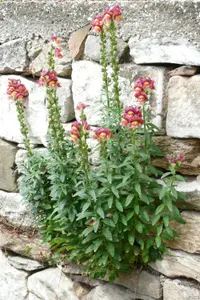
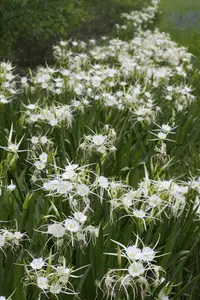
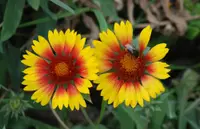
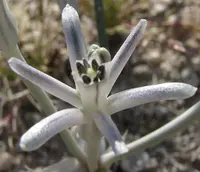
golden blue-eyed grass Care (Sisyrinchium californicum)

Also known as: Golden-eyed Grass, Yellow-eyed grass
golden blue-eyed grass

About golden blue-eyed grass

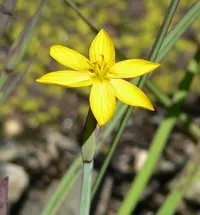
Golden blue-eyed grass, Sisyrinchium californicum, is a small, clump-forming perennial in the iris family. It produces narrow, grass-like leaves and bright yellow star-shaped flowers. Despite its name, it is not a true grass.

This species is native to moist meadows, stream edges, and coastal areas of western North America. It typically forms low, tidy patches that suit borders, naturalistic plantings, and small gardens.

Golden blue-eyed grass is generally considered moderately easy to grow if its need for consistent moisture and sun to light shade is met. Simple, regular attention is usually enough to care for golden blue-eyed grass in suitable climates.

Main Plant Requirements

Care Difficulty

Easy Care

Light Preference

Full Sun

Water Requirements

Regular Water

Temperature Preference

Cold Hardy

Hardiness Zone

5–9

Soil Texture

Sandy, Loamy, Organic-rich

Soil pH

Acidic (5.5–6.5), Slightly acidic (6.5–7.0)

Soil Drainage

Moist but well-drained

Fertilization

Minimal (feed rarely)

Get Personalized Care Plan

Scan your plant to receive care tips personalized for your specific plant

Available on iOS and Android

How to Care for the golden blue-eyed grass

This species thrives in bright outdoor conditions with direct sun for best flowering.

  • Provide 6–8 hours of direct sun daily; morning sun with light afternoon shade suits golden blue-eyed grass in hotter climates.
  • Tolerates light or open shade for part of the day, but flowering and clump density decline if it receives less than about 4 hours of sun.
  • In hot summers, protect from intense late-afternoon sun to prevent leaf scorch, while in winter ensure an open, unshaded spot to maximize low-angle light.

This plant prefers evenly moist, well-drained soil and reacts quickly to prolonged drought or saturation.

  • Water when the top 2–4 cm of soil feel dry, aiming for soil that is moist but never waterlogged, especially during active spring growth.
  • In summer, increase watering during hot, dry spells and reduce frequency in cool, rainy periods or winter dormancy to avoid root rot in Sisyrinchium californicum.
  • Watch for drooping, folding, or browning leaf tips as signs of underwatering, and yellowing, mushy bases or a sour smell as signs of overwatering in poorly drained soil.

This plant handles a broad outdoor temperature range but flowers best in mild conditions.

  • Optimal growth occurs around 55–75°F (13–24°C), with strong flowering in cool to mild spring weather and reduced vigor in extreme heat.
  • Established clumps tolerate brief drops to about 20°F (-6°C), but young plants benefit from mulch to buffer freeze-thaw cycles in winter.
  • In hot climates, temperatures above 90°F (32°C) combined with dry soil can stress plants, so provide soil moisture and light afternoon shade during heatwaves.

Humidity is not a critical factor for Sisyrinchium californicum, which thrives in typical outdoor air levels.

Sisyrinchium californicum prefers moist, well-drained, moderately fertile soil that does not stay waterlogged.

  • Use a loamy or sandy-loam soil with plenty of organic matter to hold moisture without becoming compacted.
  • Aim for a slightly acidic to neutral pH around 6.0–7.0, avoiding strongly alkaline conditions that can restrict nutrient uptake.
  • For garden beds or large containers, mix native soil with compost and a small amount of coarse sand to balance moisture retention and drainage.
  • Avoid heavy, poorly drained clay; improve such sites by incorporating coarse sand and compost to increase aeration and prevent standing water.

This species can be grown in containers if moisture and drainage are managed carefully.

  • Choose a pot at least 20–25 cm deep to accommodate its fibrous roots and allow stable upright growth.
  • Use a heavier material like ceramic or clay if the planting site is windy, so the narrow foliage clumps do not tip the container.
  • Top-dress the soil surface with fine gravel to reduce rapid evaporation while still allowing quick drainage after rain or watering.

This coastal native needs minimal feeding, but light nutrition supports flowering in golden blue-eyed grass grown in lean soils or containers.

  • Use a balanced, slow-release fertilizer (around 10-10-10) or a thin layer of compost in early spring.
  • Feed at most 1–2 times during the growing season in well-drained soil.
  • Apply at half the label strength for container plants to avoid salt buildup and root burn.
  • Stop fertilizing in late summer so growth hardens off before winter dormancy.

Light pruning keeps Sisyrinchium californicum tidy and can extend blooming.

  • In late spring and summer, shear off spent flower stalks with clean scissors to encourage new blooms.
  • Remove dead, yellowing, or damaged leaves at the base to reduce disease pressure.
  • Thin crowded clumps every few years to maintain airflow and a neat outline.
  • Disinfect blades before and after use to limit transmission of fungal or bacterial pathogens.

This species is usually grown in the ground, so focus on dividing and transplanting crowded clumps rather than frequent repotting.

  • Transplant or divide in early spring or early fall when temperatures are mild and soil is moist.
  • Look for signs such as congested clumps, bare centers, or slow flowering as indicators that division is needed.
  • Lift clumps carefully, tease apart or cut sections with plenty of roots, and replant at the same depth in well-drained soil.
  • Water thoroughly after transplanting, then keep soil slightly moist for 1–2 weeks to reduce root stress and support re-establishment.

New Sisyrinchium californicum plants are most reliably produced by division, with seed useful for larger naturalized plantings.

  • Divide mature clumps in early spring or just after flowering, keeping several fans and firm roots per division.
  • Replant divisions immediately into moist, well-drained soil and water in to settle roots.
  • For seeds, sow fresh in fall or late winter; cool temperatures help break dormancy.
  • Provide bright light, consistent moisture, and good air movement to limit damping-off in seedlings.

This coastal iris relative is generally cold hardy in its native range and needs only modest winter care in the ground.

  • In climates with freezes, apply a 3–5 cm mulch layer over the root zone after the first hard frost.
  • Leave foliage in place until late winter, then trim back dead leaves before new growth starts.
  • Container-grown plants in colder zones can be overwintered in a sheltered, frost-free but cool, bright area.

Care Tips

Clump Renewal

Every 3–4 years, lift and divide crowded clumps in late fall or very early spring to maintain flowering vigor and prevent the center of the planting from dying out.

Seedling Management

Mark desirable clumps in bloom, then thin or transplant self-sown seedlings while still small so they do not outcompete the parent plants or create a weedy look.

Edge Protection

Install a shallow edging strip or stone border around the planting area to protect the fine, grass-like foliage from mower and string-trimmer damage.

Moisture Buffering

In climates with dry summers, apply a thin (2–3 cm) layer of fine gravel or composted bark around plants to reduce surface drying without smothering their shallow rhizomes.

Wildlife-Friendly Pairing

Combine this species with other low, nectar-rich perennials that bloom at similar times to support pollinators and create a more resilient planting when growing golden blue-eyed grass.

Common Pests and Diseases

Rust

This disease causes yellow to orange-brown pustules on leaves and stems, often leading to premature leaf yellowing and drop in moist conditions.

Solution

Remove and discard affected leaves, avoid overhead watering, and increase spacing or airflow around clumps to keep foliage drier; in recurrent cases, apply a sulfur- or chlorothalonil-based fungicide according to label directions and rotate plantings to reduce spore carryover.

Leaf spot

This disease produces small tan to brown spots on foliage that may merge into larger blotches, reducing vigor and aesthetic quality, especially in wet seasons.

Solution

Trim and dispose of heavily spotted leaves, water at soil level to keep foliage dry, and thin crowded plantings; for persistent problems, use a copper-based fungicide during extended wet periods and avoid overhead irrigation late in the day.

Aphids

These insects cluster on young shoots and flower stalks, sucking plant sap and sometimes causing distortion, sticky honeydew, and sooty mold growth.

Solution

Spray colonies off with a firm stream of water, encourage natural predators such as lady beetles, and if needed treat with insecticidal soap or a neem oil spray, ensuring thorough coverage of stems and leaf undersides and repeating at 5–7 day intervals until populations decline.

Slugs and snails

These pests chew irregular holes in leaves and young fans, often leaving slime trails around the base of plants in damp, shaded sites.

Solution

Hand-pick at night or early morning, reduce dense mulch and debris where they hide, and place iron phosphate bait around but not directly on clumps; copper barriers or rough mineral mulches can also reduce access to tender growth in beds where growing golden blue-eyed grass is planned.

Interesting Facts

Naturally winter-deciduous

This species often dies back to the ground in winter in its native coastal habitats, then resprouts from its perennial rootstock in spring as temperatures and day length increase.

Coastal wetland specialist

It is naturally concentrated along moist coastal areas of the Pacific Northwest and northern California, where it grows in seasonally wet meadows, ditches, and stream margins that many ornamentals cannot tolerate.

Yellow blooms in an iris cousin

Unlike many other Sisyrinchium species that have blue to violet flowers, this plant bears bright yellow, star-like blooms while still sharing the flattened, grass-like leaves typical of the iris family Iridaceae.

Botan icon

Did you know?

In parts of its native range, this species can form loose colonies from short rhizomes and self-sowing, becoming one of the visually dominant wildflowers in spring wet meadows when moisture and light conditions are favorable.

FAQs about golden blue-eyed grass

This species spreads slowly by short rhizomes and self-seeding, forming small clumps rather than large colonies. It is not considered aggressive in typical garden conditions and is usually easy to keep within defined borders.

Grow Healthy Plants with Botan Care

Keep your plants happy and healthy with plant identification, disease detection, and easy care guidance.

Botan plant care app — identify plants on mobile

Explore More Plants