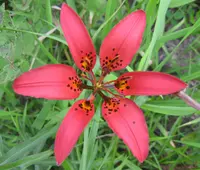
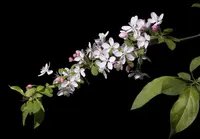
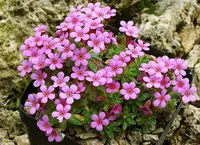
white doll's daisy Care (Boltonia asteroides)

Also known as: false aster, white boltonia
white doll's daisy

About white doll's daisy

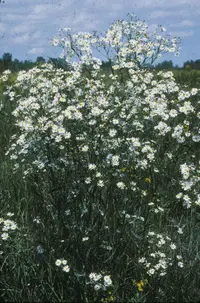
White doll's daisy, Boltonia asteroides, is a hardy herbaceous perennial in the aster family grown mainly for its clouds of small, daisy-like white flowers. It forms tall, bushy clumps with fine, branching stems and narrow leaves, creating an airy, meadow-like effect in late summer and fall.

This species is native to North America, where it grows in moist prairies, stream banks, and open fields. It adapts well to garden conditions and is considered easy to grow for most gardeners.

Plants prefer full sun, moderately moist but well-drained soil, and benefit from regular division to stay vigorous. Understanding how to care for white doll's daisy helps maintain dense growth and abundant flowering in borders or naturalistic plantings.

Main Plant Requirements

Care Difficulty

Easy Care

Light Preference

Full Sun

Water Requirements

Moderate Water

Temperature Preference

Cold Hardy

Hardiness Zone

3–9

Soil Texture

Sandy, Loamy, Clay

Soil pH

Acidic (5.5–6.5), Slightly acidic (6.5–7.0)

Soil Drainage

Moist but well-drained

Fertilization

Minimal (feed rarely)

Get Personalized Care Plan

Scan your plant to receive care tips personalized for your specific plant

Available on iOS and Android

How to Care for the white doll's daisy

This sun-loving perennial thrives in open, bright garden spots for strong flowering.

  • Provide 6–8 hours of direct sun daily; in hot southern areas, aim for morning sun and light afternoon shade to limit heat stress.
  • It tolerates light or dappled shade for part of the day, but stems may stretch and flowering decrease if sun drops below 4–5 hours.
  • In very intense summer sun, especially on dry, exposed sites, monitor white doll's daisy for leaf scorch and wilting, and use nearby plants or mulch for protection.

This prairie-type plant prefers steady soil moisture but copes with short dry spells once established.

  • In the ground, allow the top 3–5 cm of soil to dry between waterings; water deeply so moisture reaches the full root zone rather than with frequent light sprinkling.
  • During hot, windy periods and in the first growing season, check soil every 2–3 days; drooping foliage that recovers by evening usually signals mild drought stress.
  • Use well-drained soil to avoid soggy conditions; persistent wetness, yellowing lower leaves, and limp stems indicate overwatering in Boltonia asteroides.

This hardy perennial tolerates a wide temperature range, with strong performance in temperate climates.

  • Active growth and flowering are best around 65–80°F (18–27°C), which supports sturdy stems and abundant buds through summer and early fall.
  • Mature plants tolerate winter cold down to about -20°F (-29°C) in the ground; tops die back after hard frost, but crowns and roots overwinter.
  • It endures summer heat up to about 90–95°F (32–35°C) if soil moisture is maintained; mulch helps buffer root temperature swings in exposed beds.

Humidity is not a significant factor for Boltonia asteroides, which adapts well to typical outdoor air levels, including the dry air common in many regions where white doll's daisy is grown.

Boltonia asteroides prefers lean, well-drained soil that does not stay wet for long.

  • Use a sandy or sandy-loam mix with modest organic matter, such as native soil blended with 20–30% compost.
  • Ensure very sharp drainage; on heavy sites, raise the planting area or use berms to keep roots from sitting in water.
  • Aim for slightly acidic to neutral pH around 6.0–7.0, avoiding strongly alkaline or saline conditions that reduce nutrient uptake.
  • Avoid dense clay or constantly moist beds; lighten heavy soil with coarse sand or fine gravel to improve aeration and water movement.

This species can be grown in containers outdoors if the pot and setup control moisture and support its tall, bushy growth.

  • Choose a deep, heavy container that resists tipping in wind and accommodates the plant’s extensive root system.
  • Fill the pot with a fast-draining mix, such as 60–70% general outdoor potting mix blended with coarse sand or fine grit.
  • Elevate the container on pot feet so drainage holes stay clear and excess water runs off quickly after rain or irrigation.

Boltonia asteroides benefits from modest feeding but often thrives in reasonably fertile garden soil without heavy fertilizer use.

  • Use a balanced, slow-release granular fertilizer (such as 10-10-10) in spring as new growth starts to support growing white doll's daisy.
  • Apply a light top-dressing of compost around the root zone once per year to improve soil structure and nutrient availability.
  • Feed once more in midsummer if growth appears weak, using fertilizer at half the label strength to avoid lush, floppy stems.
  • Stop fertilizing in late summer to early fall so growth hardens before winter dormancy.

Pruning Boltonia asteroides helps manage height, prevent flopping, and maintain a tidy clump.

  • In late spring to early summer, shear or pinch back taller stems by 1/3 to encourage bushier growth and more branching.
  • Remove dead, damaged, or crossing stems at the base using clean, sharp hand pruners to improve air flow.
  • After flowering in late summer or fall, cut stems down to 10–15 cm above ground to neaten the plant and reduce self-seeding.
  • Leave a few sturdy stems over winter if desired for wildlife habitat, then cut them back before new shoots emerge.

This species is usually grown in garden beds, so care focuses on lifting and transplanting clumps rather than frequent repotting.

  • Plan to divide and transplant every 3–4 years in early spring or fall, when growth slows or clumps become crowded and flower less.
  • Dig up the clump carefully, keeping a solid root ball to limit root stress, then split into sections with a sharp spade or knife.
  • Replant divisions at the same depth in well-drained soil, water thoroughly, and keep evenly moist for 1–2 weeks while roots re-establish.
  • Container-grown plants need shifting to a slightly larger pot when roots circle the container or water drains too quickly.

Boltonia asteroides is commonly propagated by division, stem cuttings, and seeds, allowing gardeners to create new plants from healthy clumps.

  • Divide mature clumps in early spring or fall, ensuring each division has several shoots and a good root portion before replanting.
  • Take softwood or semi-ripe stem cuttings in late spring to early summer and root them in a moist, free-draining medium under bright, indirect light.
  • Sow fresh seeds in fall outdoors or in late winter indoors; a brief cold period helps break dormancy and improves germination.
  • Keep seed trays and cuttings evenly moist, not waterlogged, and maintain good air circulation to reduce fungal problems while new roots form.

Boltonia asteroides is generally cold hardy in much of the US and needs only modest winter care in garden beds.

  • After hard frost, cut back dead stems to near ground level or leave a short stubble to mark the clump location.
  • Apply a 5–8 cm mulch layer around the root zone in late fall, especially in colder zones or exposed sites.
  • For container-grown plants, move pots to a sheltered, unheated area where soil does not freeze solid for long periods.

Care Tips

Staking In Wind

In open, windy sites, insert low, discreet stakes and loosely tie stems before flower buds form to prevent lodging and keep the plant upright and easy to maintain.

Pinching For Bushiness

In late spring, lightly pinch back or shear the top 5–10 cm of growth once to encourage a denser, self-supporting habit and more evenly distributed flowering.

Division For Vigor

Every 3–4 years in early spring, lift and divide crowded clumps, replanting only the most vigorous outer sections to maintain flower quality and prevent the plant from becoming woody in the center.

Edge Control Strategy

Install a simple spade-cut edge or shallow root barrier around beds if the plant is spreading into lawn or paths, and remove unwanted young shoots early while roots are still shallow.

Late-Season Deadheading

After peak bloom, selectively shear back spent flower sprays while leaving healthy foliage to reduce self-seeding, improve appearance, and direct energy into root reserves for the next season when growing white doll's daisy.

Common Pests and Diseases

Powdery mildew

This disease causes a white, powdery coating on leaves and stems, often appearing in late summer during warm, dry days with humid nights. Symptoms include reduced vigor and premature leaf yellowing or browning.

Solution

Improve air circulation by thinning crowded stems and avoid overhead watering, especially in the evening. Remove and dispose of heavily infected foliage and, if needed, apply a sulfur or potassium bicarbonate fungicide labeled for ornamentals at the first sign of mildew, following label directions carefully.

Aster yellows

This disease leads to yellow, stunted growth, distorted flowers, and proliferation of thin, bushy shoots. Symptoms include greenish, deformed flower heads that fail to set normal seed.

Solution

Promptly remove and destroy symptomatic plants to limit spread, as the pathogen persists in living tissue. Reduce populations of leafhoppers, which transmit the disease, by using reflective mulches, physical barriers, or targeted insecticidal soap sprays directed at the insects rather than the flowers.

Leafhoppers

These insects feed on sap, causing pale stippling, leaf curling, and reduced vigor, and they can transmit aster yellows. This pest is most active in warm, dry weather and often disperses quickly when disturbed.

Solution

Use a strong stream of water to dislodge nymphs from stems, and encourage natural predators by avoiding broad-spectrum insecticides. For persistent infestations, apply insecticidal soap or a pyrethrin-based product in the evening, coating the undersides of leaves where nymphs tend to feed.

Aster leaf miner

This pest creates winding, pale tunnels inside the leaves as larvae feed between leaf surfaces. Symptoms include serpentine trails and blotchy patches that may cause leaves to look unsightly but rarely kill the plant.

Solution

Remove and discard mined leaves as soon as trails are noticed to break the life cycle. In larger plantings, floating row covers can reduce egg-laying, and targeted applications of neem oil to young foliage can help deter further feeding while preserving beneficial insects.

Rust

This disease produces small, orange to brown pustules on the undersides of leaves, sometimes with yellow spots on the upper surface. Symptoms include premature leaf drop and reduced flowering if infection is severe.

Solution

Space plants to allow good airflow and water at the base rather than over the foliage. Remove and destroy affected leaves promptly, clean up fallen debris in autumn, and if needed apply a labeled ornamental fungicide early in the season when the first spots appear, rotating products to reduce resistance risk for sustainable Boltonia asteroides care instructions.

Interesting Facts

Late-season pollinator magnet

This North American prairie perennial flowers heavily in late summer to early fall, providing nectar and pollen for bees, butterflies, and other insects when many earlier-blooming composites have already faded.

Floodplain and wet meadow specialist

In the wild, it often grows along streams, ditches, and moist meadows, tolerating periodic flooding and heavy soils better than many other daisy-like perennials.

Clouds of tiny florets

Each plant produces hundreds of small, starry flower heads with white to pale lavender rays and yellow centers, creating a dense, airy canopy that can lightly obscure the stems and foliage beneath.

Botan icon

Did you know?

Despite its fine, airy appearance, this species forms extensive clumps via short rhizomes and can become a long-lived structural plant in naturalistic plantings, often persisting and expanding for many years without replanting when sited in suitable moist, sunny conditions.

FAQs about white doll's daisy

This species forms wide clumps from its crown and can self-seed, so it may spread more than expected in fertile, moist sites. Divide clumps or deadhead spent flowers to limit spread and keep planting areas defined.

Grow Healthy Plants with Botan Care

Keep your plants happy and healthy with plant identification, disease detection, and easy care guidance.

Botan plant care app — identify plants on mobile

Explore More Plants