Barkeria shoemakeri Care

Barkeria shoemakeri

About Barkeria shoemakeri

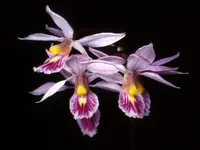
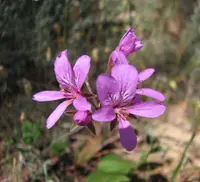
Barkeria shoemakeri is a small to medium epiphytic orchid that often grows on trees or rocks, forming airy clumps rather than dense foliage. Its slender canes carry narrow leaves and showy, long-lasting flowers, typically in soft pink to purple shades with a patterned lip.

This species comes from seasonally dry forests of Mexico and Central America, where it experiences bright light and a distinct dry rest. These traits make it rewarding but a bit more demanding than common beginner orchids. It usually prefers strong indirect light, good air movement, and fast-drying media, so understanding how to care for Barkeria shoemakeri is important for long-term success.


Main Plant Requirements

Care Difficulty

Hard Care

Light Preference

Partial Sun

Water Requirements

Moderate Water

Temperature Preference

Tropical / Frost Sensitive

Hardiness Zone

Unknown

Soil Texture

Sandy, Rocky, Organic-rich

Soil pH

Acidic (5.5–6.5)

Soil Drainage

Well-drained

Fertilization

Light (every 4–6 weeks)

Get Personalized Care Plan

Scan your plant to receive care tips personalized for your specific plant

Available on iOS and Android

How to Care for the Barkeria shoemakeri

This orchid thrives in bright, high light that mimics exposed, seasonally dry habitats.

  • Provide 6–8 hours of bright light daily, ideally with full morning sun and lightly filtered midday sun to prevent leaf scorch.
  • Tolerates light, shifting shade, but flowering drops if grown in less than bright, indirect light for most of the day.
  • In summer, protect from harsh afternoon sun; in winter, move Barkeria shoemakeri to the brightest possible spot to compensate for shorter days.

This species prefers a wet–dry cycle rather than constantly moist roots.

  • Water only when roots and medium are nearly dry, allowing at least the top 2–4 cm of bark or substrate to dry between soakings.
  • In active growth, drench thoroughly, then let excess drain completely; reduce watering sharply in the dry or leafless rest period to prevent root rot.
  • Signs of overwatering include black, mushy roots and yellowing leaves, while severe wrinkling of canes or pseudobulbs indicates underwatering.

This orchid grows best in warm to intermediate conditions with a distinct, slightly cooler rest.

  • Aim for 65–80°F (18–27°C) by day and 55–65°F (13–18°C) at night during active growth for strong roots and flowering.
  • Avoid temperatures below 45°F (7°C); brief drops to 40°F (4°C) may be tolerated if dry, but frost will damage leaves and roots.
  • In hot periods above 90°F (32°C), increase shade and airflow; slightly cooler, drier winter conditions help trigger flowering without exposing the plant to cold stress.

This orchid prefers moderately humid air and reacts quickly to very dry conditions.

  • Keep relative humidity around 50–70% for stable growth and flowering.
  • Tolerates brief drops to 40%, but repeated low humidity causes shriveling pseudobulbs and wrinkled leaves.
  • Increase humidity with a pebble tray or nearby humidifier, but maintain strong air movement to prevent fungal issues.

This species performs best in a very open, fast-draining orchid substrate rather than standard potting soil.

  • Use a mix of medium orchid bark, pumice or perlite, and a little sphagnum moss to balance moisture and airflow.
  • Ensure a coarse, chunky texture so roots dry quickly between waterings, preventing rot.
  • Aim for slightly acidic to neutral conditions, roughly pH 5.5–7.0, typical of orchid bark mixes.
  • Avoid dense, peat-heavy or garden soil mixes that compact, hold water around roots, and limit aeration.

This orchid is well suited to container or basket culture when drainage is carefully managed.

  • Choose a shallow, wide pot or slatted basket that lets roots spread laterally and dry rapidly after watering.
  • Use side slits or net pots to increase airflow around the roots, especially in humid or warm climates.
  • Select a heavier pot material or hang the basket securely to stabilize tall flowering canes against wind or accidental knocks.

Light feeding supports healthy growth and flowering in Barkeria shoemakeri without forcing soft, weak tissue.

  • Use a balanced orchid fertilizer (such as 20-20-20) at 1/4–1/2 strength on already moist medium to avoid root burn.
  • Apply every 2–3 weeks during active growth and flowering, adjusting frequency if leaves pale or growth slows.
  • Reduce feeding to once a month or stop entirely during cooler, drier rest periods in fall–winter.
  • Avoid organic compost in pots; use clean, low-salt products formulated for epiphytic orchids.

Pruning needs are minimal and focus on hygiene and maintaining good air flow around Barkeria shoemakeri canes.

  • In late winter or after flowering, remove only dead, shriveled, or moldy canes with clean, sharp scissors or pruners.
  • Leave firm, green or yellowing canes, as they can continue to store water and nutrients for new growth.
  • Trim spent flower spikes back to the cane once blooms fade, without cutting into healthy tissue.
  • Disinfect tools with alcohol between plants to limit spread of fungal or bacterial diseases.

Repotting keeps this epiphytic orchid well aerated and prevents sour, compacted media around the roots.

  • Check for crowded roots circling the pot, slow growth, or breakdown of bark as signs it needs repotting.
  • Plan to repot every 2–3 years in late winter or early spring, just before new roots and shoots extend.
  • Use a small, snug pot with fresh, free-draining orchid bark, positioning roots gently and avoiding deep burial of the base.
  • After repotting, water lightly, keep in bright but indirect light, and maintain high humidity to limit transplant shock.

Propagation of Barkeria shoemakeri is possible but slower, and typically done by division or keikis rather than seed.

  • Divide mature plants in late winter when new growth starts, ensuring each division has at least 2–3 healthy canes and viable roots.
  • Separate keikis (small plantlets on canes) once they show several roots 2–3 cm long, then pot in fine orchid bark.
  • Maintain warm temperatures around 70–80°F, bright filtered light, and high humidity (60–70%) to encourage rapid root establishment.
  • Keep new divisions slightly drier at the base but never bone dry, misting foliage lightly to reduce water stress.

Cool-season care matters, as this orchid is not frost hardy and is best treated as a protected plant in most climates.

  • Keep plants above 50°F; ideal winter range is 55–65°F with good air circulation and bright light.
  • Move containers indoors or into a heated greenhouse before any chance of frost or freezing nights.
  • Reduce watering and stop high-nitrogen feeding in winter, allowing a slightly drier rest while avoiding total desiccation.
  • In very dry heated rooms, raise local humidity with trays of water and ensure canes do not shrivel severely.

Care Tips

Seasonal rest management

Allow a cooler, drier rest from late fall by reducing water and fertilizer and giving more air movement, then gradually resume heavier watering and feeding when new roots or shoots appear to synchronize growth with the plant’s natural cycle.

Mounting and remounting

Grow this species mounted on cork or hardwood with a thin pad of long-fiber sphagnum, and remount every 2–3 years before the moss becomes compacted so new roots can attach easily and stay well aerated.

Targeted air movement

Use a small, oscillating fan on a low setting aimed near, not directly at, the plant to keep roots and foliage dry between waterings and greatly reduce bacterial and fungal problems.

Bloom-spike support

Once flower spikes reach 10–15 cm, secure them loosely to a thin bamboo stake or horizontal wire with soft ties so the relatively heavy flowers do not twist or tear the slender canes.

Preventing sun stress

When moving the plant outdoors for summer, harden it off over 10–14 days by gradually increasing light and checking canes daily for yellowing or reddish bronzing, adjusting position before damage occurs while growing Barkeria shoemakeri.

Common Pests and Diseases

Scale insects

This pest is attracted to the thin, cane-like pseudobulbs and can cluster along stems and under leaf bases, sucking sap and weakening the plant. Symptoms include sticky honeydew, yellowing leaves, and small brown or white bumps that do not wipe off easily.

Solution

Physically remove visible scale with a cotton swab dipped in isopropyl alcohol, then rinse the plant thoroughly with lukewarm water. Isolate the plant, repeat alcohol swabs weekly for several weeks, and improve air movement and light levels to reduce reinfestation while following Barkeria shoemakeri care instructions closely to keep the plant vigorous.

Spider mites

These insects thrive on Barkeria grown very bright and dry, spinning fine webbing between leaves and along the slender canes. Symptoms include tiny pale speckling on leaves, dull leaf surfaces, and visible webbing, especially on the undersides.

Solution

Shower the plant with a firm stream of lukewarm water, focusing on leaf undersides and cane joints, then increase humidity and airflow without keeping the roots wet. For persistent infestations, apply a horticultural soap or neem oil spray every 5–7 days for several cycles, treating nearby orchids at the same time.

Mealybugs

This pest hides in leaf axils, at the base of new growths, and on the roots of mounted or basket-grown plants, feeding on sap and excreting sticky honeydew. Symptoms include cottony white clusters, distorted new growth, and a general decline in vigor.

Solution

Inspect all crevices, then dab visible mealybugs with isopropyl-alcohol–soaked cotton swabs and rinse the plant thoroughly afterward. Repeat inspections weekly, treat any survivors, and consider a systemic insecticide labeled for orchids if infestations recur, taking care to protect roots and avoid overapplication.

Bacterial brown spot

This disease often starts on leaves stressed by overheating or water sitting on the surface, especially in warm, stagnant air. Symptoms include soft, water-soaked yellow patches that quickly turn brown, sometimes with a wet or slimy texture and a yellow halo.

Solution

Immediately remove affected leaf sections with a sterile blade, cutting well into healthy tissue, and discard the infected material away from other orchids. Keep foliage dry, improve air circulation, avoid overhead watering late in the day, and disinfect tools and benches to limit spread.

Leaf tip and margin burn

Symptoms include dried, brown, and sometimes blackened tips and edges on the narrow leaves, often progressing inward if conditions stay harsh. This physiological problem is commonly linked to high fertilizer concentration, hard or salty water, or prolonged direct midday sun on already warm plants.

Solution

Flush the potting medium or mount thoroughly with low-mineral water, then reduce fertilizer strength to a light, regular feeding schedule appropriate for orchids. Provide bright filtered light instead of direct midday sun and monitor new leaves; if they grow clean and green, the underlying issue has been corrected.

Interesting Facts

Deciduous epiphytic habit

This orchid often grows as an epiphyte on trees and naturally sheds many or all of its leaves in the dry season while keeping its canes alive, an adaptation to strongly seasonal climates in its native Mexico and Central America.

Showy autumn flowering

Flowering typically peaks in late summer to autumn on mature, leafless canes, creating the effect of clusters of pink to magenta flowers appearing directly on bare stems.

Color contrast on flowers

The flowers usually have pale to bright pink petals and sepals combined with a more intensely colored lip marked with darker stripes or spots, a pattern that helps guide pollinators toward the nectar source.

FAQs about Barkeria shoemakeri

Lack of flowering usually comes from insufficient light intensity, inadequate seasonal temperature drop, or too little fertilizer during active growth. Mature pseudobulbs need a distinct drier, cooler rest period after growth finishes to initiate reliable flower spikes.

Grow Healthy Plants with Botan Care

Keep your plants happy and healthy with plant identification, disease detection, and easy care guidance.

Botan plant care app — identify plants on mobile

Explore More Plants