wild areca palm Care (Areca triandra)

wild areca palm

About wild areca palm

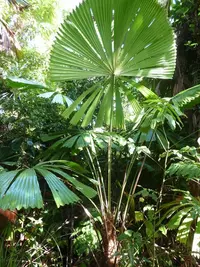
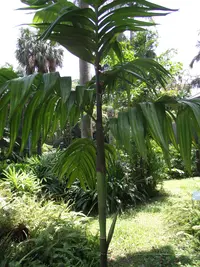
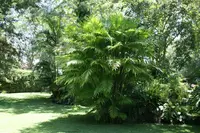
The wild areca palm (Areca triandra) is a clustering palm species that forms multiple slender stems with feathery, arching fronds. It develops into an elegant, fountain-shaped clump rather than a single trunk.

In nature it grows in lowland forests and coastal areas of South and Southeast Asia, often in warm, humid locations with filtered light. Its relatively moderate size, tolerance of heat, and preference for moist but well-drained soil make it manageable for experienced growers.

Those who want to care for wild areca palm should know it prefers bright, indirect light, consistent moisture without waterlogging, and protection from cold or very dry air.

Main Plant Requirements

Care Difficulty

Moderate Care

Light Preference

Partial Shade

Water Requirements

Moderate Water

Temperature Preference

Tropical / Frost Sensitive

Hardiness Zone

10–12

Soil Texture

Sandy, Loamy, Organic-rich

Soil pH

Acidic (5.5–6.5), Slightly acidic (6.5–7.0)

Soil Drainage

Moist but well-drained

Fertilization

Light (every 4–6 weeks)

Get Personalized Care Plan

Scan your plant to receive care tips personalized for your specific plant

Available on iOS and Android

How to Care for the wild areca palm

Areca triandra grows best in bright, filtered light that mimics high, dappled canopy conditions.

  • Provide 4–6 hours of bright, indirect light daily; morning sun from the east is suitable, but protect from harsh midday and afternoon sun to avoid leaf scorch and yellow patches.
  • Tolerates partial shade, but very deep shade leads to thin, elongated stems and sparse fronds; increase light gradually if the plant has been in low-light conditions.
  • Outdoors, position where taller trees or shade cloth break direct sun; adjust exposure seasonally, giving a bit more light in winter and more protection in strong summer sun.

Watering for Areca triandra focuses on steady moisture without waterlogging the root zone.

  • Allow the top 3–5 cm of soil to dry before watering again; soil below should feel slightly moist but never saturated or muddy.
  • In warm growing seasons, check moisture more often; in cooler months, extend intervals once growth slows, but do not let the root area dry out completely for long periods.
  • Overwatering shows as yellowing fronds and soft, darkened stems, while underwatering causes crispy leaflet tips and folding fronds; use a well-drained, gritty soil mix to prevent standing water.

This palm prefers consistently warm, frost-free conditions similar to a tropical lowland climate.

  • Ideal growth occurs at 70–85°F (21–29°C), with stable temperatures and moderate humidity; brief dips slightly below this range are usually tolerated if the soil is not waterlogged.
  • Minimum tolerance is around 45–50°F (7–10°C); below this, tissue damage and decline increase, especially during cold, wet spells or with drying winds.
  • Handles short heatwaves up to about 95°F (35°C) if soil moisture is maintained and the site offers some shade; avoid exposure to frost, which can permanently damage fronds and growing points.

This species prefers moderately humid air but adapts if conditions are adjusted carefully.

  • Aim for 50–70% humidity, as wild areca palm origins are in warm, moist habitats.
  • Tolerates brief dips to 35–40%, but prolonged dry air leads to brown leaflet tips and edges.
  • Increase humidity with a nearby humidifier, grouped plants, or a pebble tray, rather than misting alone.

This palm prefers loose, well-drained, organic-rich soil that stays lightly moist but never heavy or waterlogged.

  • Use a mix of 50–60% peat or coco coir, 20–30% compost, and 20–30% perlite or coarse sand for structure and drainage.
  • Aim for slightly acidic to neutral pH around 6.0–7.0 to support balanced nutrient uptake for Areca triandra.
  • Ensure the mix feels springy and airy; avoid compacted or clay-heavy soil that holds water around the roots.
  • Improve aeration by adding fine bark chips, which create stable pore spaces and reduce the risk of root rot.

This palm can adapt well to container growing when root space and drainage are carefully managed.

  • Choose a deep, heavy container that resists tipping as the multi-stem clumps gain height and lateral spread.
  • Select a pot material with moderate moisture retention, such as thick plastic or glazed clay, to prevent rapid drying of the root zone.
  • Elevate the container slightly on feet or blocks so drainage holes clear water quickly and salts do not accumulate at the base.

Areca triandra benefits from light, consistent feeding during the warm growing season.

  • Use a balanced liquid fertilizer (such as 10-10-10) at 1/2 strength every 4–6 weeks in spring and summer.
  • Alternatively, apply a slow-release palm or general fertilizer once at the start of the growing season.
  • Pause feeding in autumn and winter when growth slows, especially for wild areca palm indoor care.
  • Water before and after applying fertilizer to reduce root burn risk.

Pruning Areca triandra is mainly about hygiene and maintaining a clean, tidy clump.

  • Carry out light pruning in late winter or early spring before strong new growth begins.
  • Remove only dead, yellowing, or badly damaged fronds at the base, leaving healthy green foliage intact.
  • Thin out crowded, crossing stems in multi-stem clumps to improve air movement and light penetration.
  • Use sharp, clean pruners or loppers, cutting close to the stem without tearing tissues.

Container-grown Areca triandra or young plants in the ground appreciate careful, infrequent transplanting.

  • Check for roots circling the pot, pushing through drainage holes, or noticeably slowed growth as signs it needs a larger container.
  • Plan repotting or transplanting in late spring to early summer when soil is warm and growth is active.
  • Repot every 2–3 years into a pot 2–5 cm wider, using a free-draining, slightly sandy mix.
  • Handle the root ball gently, loosen only lightly, water thoroughly afterward, and shade from harsh sun for 1–2 weeks to reduce stress.

Propagation of Areca triandra is most reliable from seeds and, less often, by dividing offsets from clumps.

  • Sow fresh, cleaned seeds in warm conditions (75–85°F) in a loose, well-drained mix, barely covering them.
  • Maintain constant moisture, high humidity, and bottom warmth; germination may take several weeks to months.
  • Divide small basal offsets only on established clumps in late spring, keeping a good root portion with each division.
  • Pot divisions into a snug container, keep shaded and evenly moist until new growth confirms establishment.

Winter care for Areca triandra focuses on avoiding frost damage and preserving root health in cooler regions.

  • In USDA zones colder than 10, grow in containers and move plants indoors before temperatures drop near 40°F.
  • Provide bright, indirect light indoors and keep temperatures above 55°F with moderate humidity.
  • For in-ground plants in marginal zones, apply a 5–8 cm mulch layer over the root zone, keeping it off the trunk.
  • During winter, water less often but do not allow the root ball to dry out completely.

Care Tips

Root-zone mulching

Apply a 3–5 cm layer of fine bark or composted hardwood mulch around the root zone, keeping it 5–8 cm away from the stems, to stabilize soil moisture and protect shallow feeder roots from heat and mechanical damage.

Selective stem thinning

Every 1–2 years remove a few of the oldest, most crowded canes at the base with clean, sharp loppers instead of just trimming leaves, which helps maintain good air flow and a balanced clump structure.

Wind acclimation

When moving plants outdoors for the warm season, gradually increase exposure to wind over 7–10 days so the flexible stems strengthen and fronds are less likely to tear in storms.

Preventive salt management

If irrigation water is hard or salty, leach the container or planting area with ample clean water every 1–2 months to flush out accumulated salts that can burn leaflet tips and slow growth.

Low-light shaping

In shaded locations, occasionally rotate containers 90° and use a single discreet stake to guide the most leaning stems, which keeps the clump upright and helps when caring for wild areca palm in narrow spaces.

Common Pests and Diseases

Red palm weevil

This pest bores into the trunk and crown, causing internal tunneling, yellowing fronds, and eventual crown collapse. Symptoms include oozing gum-like sap, fermenting odor, and holes at the base or leaf axils.

Solution

Remove and destroy heavily infested palms, since larvae are hidden deep inside. For early or preventive management, use pheromone traps to reduce adult populations, regularly inspect the crown and trunk for fresh holes or frass, and apply a systemic insecticide labeled for palms via soil drench or trunk injection according to local regulations and Areca triandra care guidelines.

Rhinoceros beetle

This pest attacks the crown and young unfolding leaves, chewing V-shaped notches and holes in spear leaves and emerging fronds. Damage can deform new growth and slow overall growth of the palm.

Solution

Physically remove adult beetles from the crown at night using a headlamp and gloved hands, and destroy them. Keep decaying organic matter away from the planting area to reduce breeding sites, and if needed apply targeted biological controls such as Bacillus thuringiensis formulations or entomopathogenic fungi recommended for rhinoceros beetle on palms.

Lethal wilt (phytoplasma)

This disease causes rapid yellowing or bronzing of older fronds, premature fruit drop, and eventual death of the crown. Symptoms include a spear leaf that fails to open and may collapse, with the whole canopy declining over weeks to months.

Solution

Remove and destroy infected palms promptly, as there is no cure once symptoms appear. Monitor nearby Areca triandra and other susceptible palms, control sap-feeding insects that may vector the phytoplasma, and source only certified disease-free planting material in affected regions.

Ganoderma butt rot

This disease attacks the lower trunk and root crown, leading to gradual canopy thinning, reduced vigor, and eventual palm death. Symptoms include a hard, varnished conk (shelf-like mushroom) at the trunk base and internal wood decay.

Solution

There is no effective chemical treatment, so remove and destroy infected palms including as much of the stump and major roots as possible. Avoid replanting palms in the same spot, improve drainage, and prevent trunk injuries that can predispose Areca triandra to infection.

Scale insects

These insects attach to leaflets, petioles, and sometimes stems, sucking sap and causing yellow spotting, sticky honeydew, and sooty mold growth. Heavy infestations can weaken the palm and reduce growth.

Solution

Wipe or wash leaves with water and a mild insecticidal soap solution to dislodge scales, repeating every 7–10 days until populations drop. For persistent infestations, use a systemic insecticide labeled for palms and improve plant vigor through proper watering, nutrition, and wild areca palm indoor care practices to make the palm less susceptible.

Interesting Facts

Clumping multi-stem habit

This species naturally forms tight clumps of many slender stems from basal suckers, creating dense thickets rather than a single trunk like many other palms.

Saline-tolerant coastal palm

Areca triandra often grows near coasts and estuaries in its native range and shows relatively high tolerance to salt spray and occasional brackish conditions compared to many other arecoid palms.

Traditional betel ingredient

In parts of Southeast Asia, its small hard fruits have been used locally as a substitute or supplement for the areca nut (from Areca catechu) in betel chewing, though it is less common in trade.

Botan icon

Did you know?

Genetic and morphological studies place Areca triandra as part of a distinct Southeast Asian radiation of the genus Areca, and its relatively small stature and clustering form have made it an important model species for understanding diversification and growth strategies within the arecoid palms.

FAQs about wild areca palm

Brown tips usually result from low humidity, salt or fluoride in tap water, or fertilizer buildup. Use filtered or rainwater, flush the soil occasionally, maintain moderate humidity, and avoid overfertilizing to reduce new browning.

Grow Healthy Plants with Botan Care

Keep your plants happy and healthy with plant identification, disease detection, and easy care guidance.

Botan plant care app — identify plants on mobile

Explore More Plants