Gradual acclimation
When moving the plant between indoors, patio, or greenhouse, shift it over 7–10 days by increasing light and air movement stepwise to prevent leaf scorch and shock.

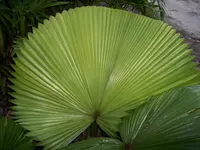
Licuala peltata, often called the ruffled fan palm, is a tropical palm known for its broad, pleated, circular leaves. Each leaf forms a near-perfect fan, giving the plant a very architectural look. It naturally occurs in humid, shaded lowland forests of Southeast Asia, where it grows as an understory palm.
In cultivation it tends to be slow-growing and somewhat demanding, especially in drier or cooler climates. Consistently warm temperatures, high humidity, and protected, dappled light are important for success. Rich, moist but well-drained soil supports healthier roots and foliage.
Because of its specific climate and moisture needs, it is considered more suitable for experienced growers or very attentive beginners who want to learn how to care for Licuala peltata.

Care Difficulty
Hard Care

Light Preference
Partial Shade

Water Requirements
Keep Soil Moist

Temperature Preference
Tropical / Frost Sensitive

Hardiness Zone
10–11

Soil Texture
Loamy, Peaty, Organic-rich

Soil pH
Acidic (5.5–6.5), Slightly acidic (6.5–7.0)

Soil Drainage
Moist but well-drained

Fertilization
Light (every 4–6 weeks)
Scan your plant to receive care tips personalized for your specific plant
Available on iOS and Android
This palm prefers bright, gentle light that mimics understory tropical conditions.
This species needs consistently moist but never waterlogged soil around its fibrous roots.
This palm thrives in warm, humid, frost-free climates.
This palm needs consistently high humidity to keep foliage healthy and avoid brown edges.
This species needs a moist, airy, organic-rich mix that drains freely but does not dry out fast.
This palm is suitable for container growing when the pot supports its shallow, spreading root system and heavy crown.
This palm benefits from light, consistent feeding during the warm growing season to support slow foliage production.
Pruning for this palm focuses on hygiene and safety rather than reshaping the plant.
Container-grown plants and young landscape specimens prefer careful, infrequent disturbance due to their sensitive roots.
This species is usually propagated from seed and tends to be slow and technically demanding for home growers.
Cold conditions challenge this tropical palm, especially in regions with frost or extended cool periods.

Plant Health Check
Not sure what's wrong with your plant? Check your plant's health inside the app.
This palm forms large, nearly circular, pleated leaves with deeply cut segments that radiate from a single point, giving a strong umbrella-like appearance that is more pronounced than in many related Licuala species.
Licuala peltata is naturally found as an understory palm in lowland tropical forests of Southeast Asia, adapted to warm, humid, shaded conditions with filtered light rather than direct sun.
Unlike many solitary-stemmed palms, this species often forms tight clumps from basal suckers, creating multi-stemmed groups that help it occupy small light gaps on the forest floor.
This palm grows slowly, usually adding only a few new fronds each year. In suitable warm climates, it may take many years to form a noticeable trunk or reach a substantial landscape size.
Keep your plants happy and healthy with plant identification, disease detection, and easy care guidance.