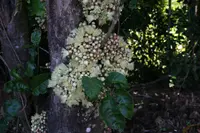
wine raspberry Care (Rubus phoenicolasius)

Also known as: Japanese wineberry, wineberry, Hairy Bramble, Purple-Leaf Blackberry
wine raspberry

About wine raspberry

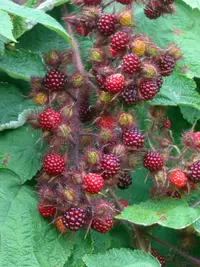
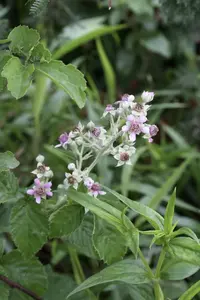
Wine raspberry, Rubus phoenicolasius, is a deciduous bramble shrub grown for its bright red, seedy berries and arching, thorny canes. It forms dense thickets and can spread vigorously in suitable conditions. Native to East Asia, it has naturalized in parts of North America, especially in cooler temperate regions. The plant is hardy and generally easy to establish, but its vigorous growth and prickly stems require some management. It prefers sun to light shade, moderately moist, well-drained soil, and benefits from pruning to keep plants productive. Understanding how to care for wine raspberry helps balance its ornamental and fruiting value with its tendency to spread.


Main Plant Requirements

Care Difficulty

Easy Care

Light Preference

Full Sun

Water Requirements

Moderate Water

Temperature Preference

Cold Hardy

Hardiness Zone

5–8

Soil Texture

Loamy, Sandy, Clay

Soil pH

Acidic (5.5–6.5), Slightly acidic (6.5–7.0)

Soil Drainage

Moist but well-drained

Fertilization

Minimal (feed rarely)

Get Personalized Care Plan

Scan your plant to receive care tips personalized for your specific plant

Available on iOS and Android

How to Care for the wine raspberry

This shrub fruits best with ample direct light but tolerates some shade in hot climates.

  • Provide 6–8 hours of direct sun daily, with morning sun and light afternoon shade ideal in warmer regions.
  • Allow partial shade (about 3–4 hours direct sun) in areas with very hot summers to reduce leaf scorch and moisture stress.
  • In late winter and early spring, ensure canes are not deeply shaded by structures or trees, or flowering and fruiting of wine raspberry will decline.

This bramble prefers consistently moist, well-drained soil rather than extremes of wet or dry.

  • Irrigate when the top 3–5 cm of soil feels dry, aiming for deep soaking rather than frequent light sprinkling.
  • Increase watering during flowering and fruiting, reducing it once growth slows in late fall, but never allow the root zone to stay waterlogged.
  • Watch for wilting, dry, crispy leaves (underwatering) or yellowing, soft stems and sour-smelling, soggy soil (overwatering) in Rubus phoenicolasius.

This cold-hardy bramble tolerates low temperatures but grows and fruits best in moderate conditions.

  • Active growth and fruiting occur most reliably at 65–80°F (18–27°C), with steady warmth promoting strong cane and flower development.
  • Dormant canes withstand winter cold down to about 0°F (−18°C), though young plants benefit from mulch insulation in harsher climates.
  • Plants endure short heat spells up to 90–95°F (32–35°C) if soil moisture is stable, but prolonged extreme heat reduces fruit set and can scorch exposed leaves.

This bramble tolerates a wide humidity range and rarely needs special humidity control outdoors.

  • Performs well in 40–70% humidity typical of most temperate outdoor climates.
  • Handles relatively dry air if soil moisture is consistent and roots do not dry out completely.
  • Humidity stress shows as crisp leaf edges and slowed growth, so check soil moisture and mulch rather than misting.

This shrub prefers loose, fertile, well‑drained soil that stays evenly moist but not waterlogged.

  • Use a loamy mix rich in organic matter, such as garden loam blended with compost and leaf mold.
  • Aim for pH 5.5–7.0; slightly acidic conditions favor nutrient availability and healthy Rubus phoenicolasius growth.
  • Improve drainage and aeration by incorporating coarse sand or fine bark, avoiding heavy clay that compacts easily.
  • Avoid spots that puddle after rain or dense subsoil layers that keep roots saturated for long periods.

This species can be grown successfully in containers if the pot is chosen and managed for its vigorous root and cane growth.

  • Select a deep, wide container to give canes room to spread while keeping the root mass stable in wind.
  • Choose a heavier material such as glazed ceramic to reduce tipping as the plant develops arching, fruit‑laden canes.
  • Elevate the pot slightly on feet or bricks so drainage holes stay clear and excess water escapes freely.

Rubus phoenicolasius benefits from modest feeding but grows acceptably in average garden soil.

  • Apply a balanced granular fertilizer (around 10-10-10) or well-rotted compost once in early spring as new growth starts.
  • Use slow-release fertilizer for container plants, mixed into the top 5–8 cm of soil at label rates.
  • Feed every 6–8 weeks during active growth if soil is poor, at half the recommended strength.
  • Stop fertilizing by late summer to avoid soft growth that is vulnerable to winter damage.

Pruning supports healthy growth and good fruiting in Rubus phoenicolasius.

  • Prune in late winter or very early spring before buds break, when canes are clearly visible.
  • Remove dead, diseased, or damaged canes at ground level using clean, sharp bypass pruners.
  • Thin crowded canes, leaving the strongest, to improve air flow, light penetration, and fruit quality.
  • After fruiting, cut spent floricanes (second-year canes) to the base to direct energy to new primocanes.

This species is usually grown in the ground, so focus on careful transplanting rather than frequent repotting.

  • Transplant in late fall or early spring when plants are dormant and soil is workable.
  • Move plants if growth declines, canes become congested, or the site is too shaded or excessively dry.
  • Lift with a spade, keeping a generous root ball, and replant at the same depth in well-drained soil.
  • Water deeply after transplanting, then keep soil evenly moist for several weeks to reduce root stress.

Rubus phoenicolasius is commonly propagated vegetatively for consistent fruit quality.

  • Use tip layering in late summer: pin the end of a flexible cane into moist soil until roots form, then sever.
  • Take semi-ripe stem cuttings in mid to late summer and root in a moist, free-draining mix under high humidity.
  • Divide young, vigorous clumps in early spring or late fall, retaining several healthy canes and roots per division.
  • Sow fresh seed outdoors in fall or cold-stratify for 2–3 months to improve germination.

This bramble is generally cold hardy and needs minimal winter care in most temperate climates where growing wine raspberry is common.

  • In late fall, apply a 5–8 cm mulch layer around the root zone, keeping mulch slightly away from canes.
  • Allow canes to harden naturally; avoid late-season nitrogen that encourages tender growth.
  • For container plants in very cold areas, move pots to an unheated garage or against a sheltered wall.

Care Tips

Rotate Fruiting Canes

After the first main fruiting flush, mark and gently tie fruiting canes to one side of the support and new primocanes (first-year canes) to the other, so it is easy to remove the spent canes in winter without damaging next year’s crop.

Use Tipping For Branching

When vigorous new canes reach 90–120 cm, pinch or cut the soft tip by 2–3 cm to encourage lateral branches, which will carry more flowers and fruit the following season.

Install Strong Trellising

Set up a sturdy 2–3 wire trellis or fence before the plant reaches full size, spacing wires about 45–60 cm apart, so arching canes can be tied in layers that keep fruit off the ground and improve air circulation.

Plan For Suckers

Place a root barrier or mow strip around the planting area to confine suckering growth, and remove unwanted shoots promptly at soil level so energy goes into the main fruiting row.

Time-Saving Netting

Add bird netting over a simple frame just before berries start to color and secure it at the base, which protects the crop while still allowing easy access for harvesting when growing wine raspberry.

Common Pests and Diseases

Raspberry cane borer

This pest creates wilted, drooping shoot tips and swollen, girdled areas on young canes where larvae tunnel inside the stems.

Solution

Prune out wilted shoot tips 5–8 in below the lowest girdle and destroy removed material to kill larvae. Keep plantings well spaced, remove wild brambles nearby, and use row covers or targeted insecticides labeled for cane borers only if infestations are persistent.

Japanese beetle

These insects skeletonize leaves, leaving only veins, and can chew on ripe fruit clusters in sunny, open plantings.

Solution

Hand-pick beetles in early morning into soapy water and remove highly infested leaves or small canes. Avoid placing pheromone traps close to the plants and, if needed, use a contact insecticide labeled for brambles, applied in the evening to protect pollinators.

Spotted wing drosophila

This pest lays eggs in ripening berries, causing soft, collapsing fruit with tiny white larvae inside, especially in warm, humid weather.

Solution

Harvest fruit frequently, remove and destroy overripe or fallen berries, and use fine mesh netting after bloom to exclude adults. Where pressure is high, combine sanitation with baited traps and, if necessary, bramble-safe insecticides timed to protect ripening fruit according to local growing wine raspberry guidelines.

Orange rust

This disease causes weak, spindly canes and, in spring, bright orange powdery pustules on the undersides of leaves that spread spores easily.

Solution

Dig out and destroy entire infected plants, including roots, since the fungus is systemic and does not cure. Maintain good spacing for airflow, keep the planting free of wild brambles, and select certified disease-free stock when starting new plants.

Verticillium wilt

This disease leads to sudden wilting, yellowing, and dieback of canes, often starting on one side of the plant, due to soil-borne fungi blocking water flow in the xylem.

Solution

Remove and destroy affected plants and avoid replanting brambles in the same spot for several years or where solanaceous crops like tomatoes or potatoes recently grew. Improve soil drainage, rotate crops, and plant only certified disease-free canes in non-infested soil or raised beds.

Interesting Facts

Red bristled canes

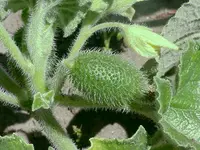
The arching stems are covered with dense red glandular hairs that give the plant a distinctive fuzzy, bright crimson look and help trap moisture and small insects on the cane surface.

Sticky protective coating

Young canes and calyces secrete a resinous, sticky substance that likely deters some herbivores and can trap small insects, a feature not common in many other raspberry relatives.

Bird driven spread

The soft, sweet fruits are quickly eaten by birds, which disperse the seeds widely and contribute to the plant’s rapid naturalization and often invasive behavior in North America.

Botan icon

Did you know?

Wine raspberry originates from East Asia but was introduced to North America in the late 19th century for breeding and horticulture trials, and later became a parent in the development of several modern raspberry cultivars.

FAQs about wine raspberry

This species spreads strongly by arching canes that root at the tips and by bird‑dispersed seed. In favorable conditions it can form dense thickets, so plan enough space and remove unwanted shoots regularly.

Grow Healthy Plants with Botan Care

Keep your plants happy and healthy with plant identification, disease detection, and easy care guidance.

Botan plant care app — identify plants on mobile

Explore More Plants