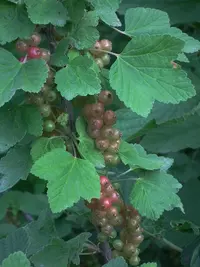
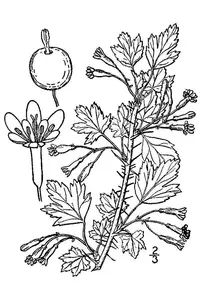
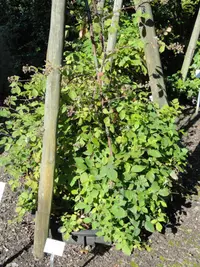
White Bramble Care (Rubus rigidus)

Also known as: Wild Bramble, African Bramble
White Bramble

About White Bramble

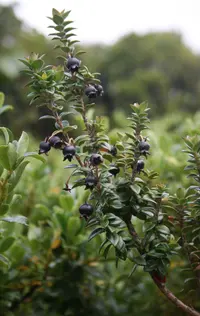
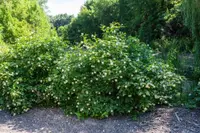
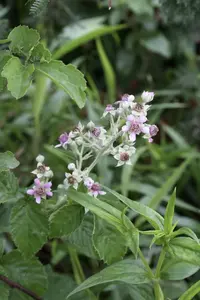
White bramble (Rubus rigidus) is a scrambling, thorny shrub in the rose family, forming dense, arching canes with white flowers and bramble-like fruit. It typically grows in hedgerows, thickets, and disturbed woodland margins, often creating impenetrable thickets that provide cover and food for wildlife.

This species is native to parts of Europe and neighboring regions, where it is adapted to temperate climates and varied soils. Its vigorous growth and strong prickles can make it challenging to manage in small gardens.

Rubus rigidus generally prefers sunny to lightly shaded sites with moist, well-drained soil. Gardeners who want to care for White Bramble should plan for its spreading habit and need for space or regular pruning.

Main Plant Requirements

Care Difficulty

Easy Care

Light Preference

Full Sun

Water Requirements

Moderate Water

Temperature Preference

Warm Climate

Hardiness Zone

9–11

Soil Texture

Sandy, Loamy, Organic-rich

Soil pH

Acidic (5.5–6.5), Slightly acidic (6.5–7.0)

Soil Drainage

Well-drained

Fertilization

Minimal (feed rarely)

Get Personalized Care Plan

Scan your plant to receive care tips personalized for your specific plant

Available on iOS and Android

How to Care for the White Bramble

Rubus rigidus needs plenty of sun for strong growth and fruiting.

  • Provide 6–8 hours of direct sun daily; morning sun with light afternoon shade reduces leaf scorch in hot summers.
  • The plant tolerates partial shade (4–5 hours sun), but White Bramble will produce fewer, smaller fruits and longer, weaker canes.
  • In cooler seasons, full sun all day is beneficial; in heatwaves, use shade cloth or nearby shrubs to filter harsh afternoon light and prevent stress.

Rubus rigidus prefers consistently moist but not waterlogged soil.

  • Water when the top 3–5 cm of soil feels dry; aim for deep soaking that moistens the root zone rather than frequent light splashes.
  • Use well-drained soil or raised rows to prevent puddling; yellowing, limp leaves and soft stems suggest overwatering and potential root rot.
  • In spring and fruiting season, moisture demand is highest, while in late fall and winter, rainfall often suffices unless canes visibly wilt or soil becomes very dry.

This bramble handles a wide climate range but performs best in mild conditions.

  • Optimal growth occurs around 65–80°F (18–27°C), supporting vigorous cane development and reliable flowering.
  • Mature plants usually survive down to about 10–15°F (-12 to -9°C), but young canes benefit from mulch around the base to buffer freeze-thaw cycles.
  • In hot regions, sustained temperatures above 90°F (32°C) can stress plants, so provide mulch, good soil moisture, and some afternoon shade in mid-summer.

This bramble tolerates a wide humidity range and rarely needs special humidity management outdoors.

  • Target ambient humidity around 40–60% for healthiest foliage, similar to typical outdoor conditions in many temperate regions.
  • It copes well with short dry spells, but prolonged air below 30% combined with high heat can cause leaf edges to dry and curl.
  • If grown in a very dry, exposed site, increase local humidity slightly by mulching the soil surface and avoiding heat-reflective hardscapes nearby.

Rubus rigidus prefers loose, well-drained, organic-rich soil that stays evenly moist but not saturated.

  • Use a loamy structure with noticeable organic matter, such as a mix of garden loam with compost to support root spread and nutrient availability.
  • Aim for slightly acidic to neutral pH, around 6.0–7.0, which supports nutrient uptake and typical bramble vigor.
  • Improve drainage and aeration by incorporating coarse materials like sharp sand or fine bark chips, especially in heavy or compacted ground.
  • Avoid dense clay, waterlogged areas, or very shallow, stony profiles that limit root depth and increase risk of root rot.

This species can be grown in containers if the pot allows enough root depth and adequate stability for arching canes.

  • Choose a deep, heavy container that resists tipping as canes lengthen and fruit load increases.
  • Select a pot material with moderate moisture retention, such as thick-walled terracotta or heavy plastic, to buffer brief drying while still allowing gas exchange.
  • Use a container wide enough to accommodate new cane bases, preventing crowding that can restrict airflow and promote cane disease.

Rubus rigidus benefits from light, targeted feeding to support cane growth and fruiting.

  • Apply a balanced slow-release fertilizer (around 10-10-10) or compost in early spring as new growth starts.
  • Feed once more in midsummer only if growth or fruiting seems weak, avoiding excessive nitrogen that promotes soft, leafy canes.
  • Use half-strength liquid balanced NPK for container plants every 4–6 weeks during active growth, on moist soil.
  • Stop feeding White Bramble in late summer to allow canes to harden before winter dormancy.

Thoughtful pruning keeps Rubus rigidus productive, manageable, and healthy.

  • Prune in late winter or very early spring before buds break, when cane structure is easy to see.
  • Remove dead, diseased, and damaged canes at ground level using clean, sharp bypass pruners or loppers.
  • Thin crowded, weak, or crossing canes to improve air flow and light penetration, reducing disease pressure.
  • Shorten overly long fruiting canes to maintain a compact, accessible shape and support higher-quality berries.

This bramble is usually grown in the ground, so transplanting is more relevant than repotting.

  • Watch for slow growth, roots circling in drainage holes, or the plant drying out quickly as signs a container Rubus rigidus needs more space.
  • Transplant or up-pot in early spring or early fall when temperatures are mild and soil is workable.
  • Expect to move container plants every 2–3 years into a pot 1–2 in wider, using well-drained, organic-rich soil.
  • Water deeply before and after transplanting, keep roots shaded and moist, and trim back top growth slightly to balance root disturbance.

Rubus rigidus is commonly multiplied for fruiting hedges using simple vegetative methods.

  • Use tip layering in late summer: bend a young cane tip to the soil, pin it down, cover lightly, and sever once rooted.
  • Divide established clumps in early spring, replanting vigorous sections with healthy buds and firm roots.
  • Take semi-ripe stem cuttings in late spring to early summer, using a rooting hormone and moist, well-aerated medium.
  • Sow seeds in fall or after cold stratification, as many Rubus seeds require a chilling period to break dormancy.

This bramble is generally cold hardy and needs only modest winter preparation in most temperate climates.

  • Leave healthy canes in place through winter in colder regions, pruning mainly at the end of dormancy.
  • Apply a 5–8 cm layer of organic mulch around the root zone to moderate soil temperature and reduce heaving.
  • For container plants in colder zones, move pots to a sheltered, unheated garage or against a protected wall to limit root freezing.

Care Tips

Install sturdy supports

Set up strong posts and horizontal wires or mesh before the canes reach 30–40 cm so you can tie in new growth early and keep fruiting canes upright and easy to harvest.

Label cane generations

Use colored ties or tags to mark first-year and second-year canes so you can remove only the spent fruiting canes after harvest and maintain a productive, well-ventilated framework.

Create a weed-free strip

Maintain a 60–90 cm wide, mulched, weed-free band along the row to reduce competition for water and nutrients, improve air movement, and limit habitat for pests like slugs and cane borers.

Encourage air circulation

Space plants in rows aligned with prevailing wind and thin crowded canes during the growing season to reduce humidity around foliage and lower the risk of cane and leaf diseases when growing White Bramble.

Time harvest carefully

Pick berries every 1–2 days as soon as they soften and detach with a gentle pull, and harvest in the cool morning into shallow, ventilated containers to reduce fruit damage and extend storage life.

Common Pests and Diseases

Raspberry cane borer

This pest tunnels inside young canes, causing wilting and dieback of stem tips in late spring or early summer.

Solution

Prune out and destroy wilted cane tips 15–20 cm below the lowest wilted leaves to remove larvae, and dispose of prunings away from plants; in small plantings, inspect regularly and remove infested canes before larvae move deeper into the stem.

Raspberry cane blight

This disease causes dark, sunken lesions on canes, often following pruning wounds or mechanical damage, and leads to partial or complete cane death.

Solution

Prune out and destroy infected canes at ground level during dry weather, make clean angled cuts, avoid overhead irrigation, and maintain good spacing to improve airflow and reduce humidity around canes.

Anthracnose

This disease produces small, sunken gray lesions with purple or brown margins on canes and sometimes on leaves, weakening plants and reducing fruit quality.

Solution

Remove and destroy severely infected canes after harvest, keep plants well spaced and pruned for good air circulation, avoid wetting foliage when watering, and, where disease pressure is high, use a labeled copper-based fungicide at bud break according to local regulations.

Raspberry beetle

These insects feed on flower buds and lay eggs in flowers, leading to small, brown, soft larvae inside developing fruits and causing misshapen berries.

Solution

Collect and remove damaged fruit, encourage natural predators by maintaining plant diversity nearby, and, in areas where this beetle is established, use fine mesh netting during flowering to exclude adults while ensuring adequate pollination through managed openings or limited exposure periods.

Raspberry leaf spot

This disease causes small, round, pale spots on leaves that may coalesce, leading to premature leaf drop and reduced plant vigor.

Solution

Remove and discard heavily affected leaves, keep the canopy open with regular pruning to improve airflow, water at the base rather than overhead, and apply a sulfur or copper-based fungicide early in the season if leaf spot has been a recurring problem in previous years to support consistent Rubus rigidus plant care.

Interesting Facts

African coastal origin

This species is native to coastal and lowland areas of eastern and southern Africa, where it often grows in open thickets and disturbed sites rather than dense forest understory.

Climbing, scrambling habit

Unlike some upright bramble relatives, it typically forms long, arching or scrambling canes that use nearby vegetation for support, helping it quickly occupy sunny gaps and edges.

Distinctive white fruits

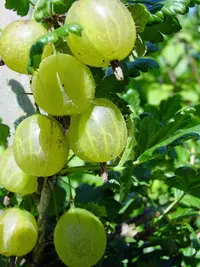
The aggregate fruits are pale to whitish rather than the deep red or black typical of many Rubus species, which can make field identification easier in regions where multiple brambles occur together.

FAQs about White Bramble

This species spreads by arching, rooting canes and underground suckers. In favorable conditions it can form dense thickets and overwhelm nearby plants. Regular pruning and removal of unwanted shoots help contain it and maintain defined boundaries.

Grow Healthy Plants with Botan Care

Keep your plants happy and healthy with plant identification, disease detection, and easy care guidance.


Botan plant care app — identify plants on mobile

Explore More Plants