West Indian vanilla Care (Vanilla pompona)

Also known as: Pompona Vanilla
West Indian vanilla

About West Indian vanilla

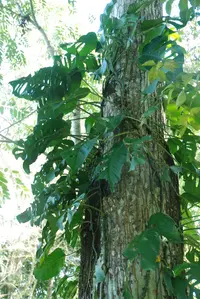
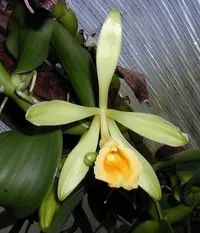
West Indian vanilla (Vanilla pompona) is a climbing orchid with thick, fleshy stems and large, leathery leaves. It anchors itself with aerial roots and needs support to grow upright. Native to tropical forests of Central and South America, it usually grows in warm, humid, shaded environments under tree canopies. The plant produces fragrant, creamy-yellow flowers that can develop into thick vanilla pods, valued for their aroma. Its vining habit, need for stable warmth, and preference for high humidity make it moderately challenging for beginners. Those who want to learn how to care for West Indian vanilla should be prepared to provide consistent moisture, filtered light, and a loose, airy growing medium.

Main Plant Requirements

Care Difficulty

Hard Care

Light Preference

Partial Shade

Water Requirements

Keep Soil Moist

Temperature Preference

Tropical / Frost Sensitive

Hardiness Zone

11–12

Soil Texture

Loamy, Sandy, Organic-rich

Soil pH

Acidic (5.5–6.5), Slightly acidic (6.5–7.0)

Soil Drainage

Moist but well-drained

Fertilization

Moderate (every 2–4 weeks)

Get Personalized Care Plan

Scan your plant to receive care tips personalized for your specific plant

Available on iOS and Android

How to Care for the West Indian vanilla

This climbing orchid prefers bright, filtered light that mimics dappled tropical forest conditions.

  • Provide 4–6 hours of bright, indirect light daily, such as morning sun with light shade from late morning to afternoon.
  • Allow partial shade, especially in hot climates; strong midday or afternoon sun can scorch leaves and cause yellow patches or crispy edges.
  • In winter or overcast seasons, move West Indian vanilla to a brighter spot or use sheer-curtained windows to maintain consistent light levels.

This species prefers evenly moist, airy rooting conditions rather than wet, compact soil.

  • Water when the top 2–3 cm of the planting mix feels just barely dry, letting excess drain away completely each time.
  • Use a loose, orchid-style mix so water runs through quickly; roots sitting in waterlogged media develop rot, sour smell, and black, mushy tips.
  • In cooler seasons or low light, let the surface dry a bit more; slight leaf wrinkling signals thirst, while limp, yellowing roots suggest overwatering for Vanilla pompona.

This orchid thrives in consistently warm, humid conditions similar to its lowland tropical habitat.

  • Aim for 70–85°F (21–29°C) for active growth, with short peaks up to 90°F (32°C) tolerated if humidity and airflow are high.
  • Avoid temperatures below 60°F (16°C); growth slows near this point and tissue damage can occur below 50°F (10°C).
  • Protect from frost at all times, and shield from extreme heat waves above 95°F (35°C) with shade and extra humidity to prevent leaf scorch and stress.

This orchid vine needs high, stable humidity to grow well and resist stress.

  • Aim for 60–80% humidity, as West Indian vanilla naturally grows in warm, moist forest air.
  • Brown, crisp leaf tips, stalled growth, and failed roots indicate air that is too dry.
  • Increase humidity with a nearby humidifier, dense plant grouping, and a wide pebble tray under (not touching) the pot.

Vanilla pompona grows best in loose, airy, organic-rich media rather than dense mineral soil.

  • Use a chunky orchid-style mix of medium bark, coconut husk, and perlite with a small amount of composted material.
  • Ensure very fast drainage so roots stay moist but never waterlogged, mimicking an epiphytic orchid’s conditions.
  • Aim for slightly acidic to neutral pH around 6.0–7.0, avoiding strongly alkaline mixes that can limit nutrient uptake.
  • Avoid compacted, clay-heavy, or fine potting soils that reduce aeration and encourage root rot.

This species adapts well to container growing when the pot supports its vining, epiphytic root system.

  • Choose a tall, heavy container or cachepot to counterbalance the long climbing vine and prevent tipping.
  • Provide a sturdy trellis or pole anchored deep in the pot so aerial roots can attach and stabilize the plant.
  • Select a pot with large, unobstructed drainage holes so the coarse orchid-style medium can shed excess water quickly.

This orchid vine benefits from light, consistent feeding during active growth to support foliage and flowering.

  • Use a balanced orchid fertilizer (around 20-20-20) or diluted all-purpose NPK at 1/4–1/2 strength for West Indian vanilla.
  • Apply every 2–3 weeks during the warm growing season when the plant is producing new roots and shoots.
  • Flush the potting mix with plain water monthly to prevent salt buildup that can damage sensitive roots.
  • Reduce feeding to once every 4–6 weeks in winter or cool, low-light periods, and skip if growth stops.

Thoughtful pruning keeps Vanilla pompona manageable and encourages healthy, well-lit growth.

  • Carry out main pruning at the end of the cool, dry season or just before active spring growth resumes.
  • Remove dead, diseased, or damaged vines first, then thin congested stems to improve air movement and light penetration.
  • Shorten excessively long runners to control size and encourage branching near the support structure.
  • Use clean, sharp bypass pruners or scissors, disinfecting blades between cuts to limit pathogen spread.

This climbing orchid prefers stable conditions, so repotting or transplanting should be infrequent and gentle.

  • Plan to repot every 2–3 years, or when roots circle the container, emerge from drainage holes, or growth slows noticeably.
  • Choose late spring to early summer, when temperatures are warm and the plant is actively producing new roots.
  • Move into a slightly larger pot with fresh, chunky orchid mix, keeping aerial roots supported and not buried deeply.
  • Handle roots carefully, keep the vine attached to its support, water lightly afterward, and maintain high humidity to reduce stress.

New Vanilla pompona plants are most often produced from stem cuttings rather than seeds.

  • Take 20–30 cm stem cuttings with several nodes in late spring or early summer, choosing firm, pest-free vines.
  • Allow cut ends to dry for a few hours, then place nodes horizontally on moist sphagnum moss or a very airy orchid mix.
  • Provide high humidity (70–80%), bright filtered light, and warm temperatures around 75–85°F to encourage rooting.
  • Once roots and new shoots form, pot cuttings individually with support stakes and avoid overwatering during establishment.

This tropical orchid is frost-sensitive and needs protection in regions with cool winters.

  • Avoid exposure below 55°F; freezing temperatures can kill stems and roots quickly.
  • In cold climates, grow in containers and move plants indoors to a bright, warm room before night temperatures drop in fall.
  • Maintain good air circulation indoors while keeping humidity moderate to high to prevent leaf desiccation.
  • In mild climates, mulch lightly around the root zone and shield vines from cold winds and radiative heat loss at night.

Care Tips

Install sturdy support

Provide a rough, vertical support such as an untreated wooden plank or tree fern totem at least 1.5–2 m tall so the vine can climb and root along the stem, which greatly improves plant stability and flowering potential.

Encourage aerial rooting

Mist the stem sections that touch the support and loosely tie them with soft plant ties so aerial roots make firm contact and attach, helping the vine absorb moisture and nutrients more effectively.

Loop and layer stems

Once stems reach the top of the support, gently loop them back down and secure them so multiple vine sections stay within the brightest, warmest zone, which promotes more flowering points instead of a single long, unproductive stem.

Hand‑pollinate flowers

If seed pods are desired, use a small toothpick or bamboo skewer early in the morning to lift the rostellum (the flap between anther and stigma) and press pollen onto the stigma, since natural pollinators of this orchid are often absent indoors or in greenhouses.

Stress‑reduce repotting

When repotting or dividing, keep as many aerial roots attached to the support as possible and move the plant with its support intact, which reduces transplant shock and maintains the established climbing structure important for growing West Indian vanilla.

Common Pests and Diseases

Vanilla stem borer

This pest tunnels inside the fleshy vines and pods, causing wilting, yellowing, and eventual collapse of affected sections. Symptoms include frass (sawdust-like droppings) and small entry holes along the stem or near developing pods.

Solution

Prune and destroy all affected vine sections as soon as tunneling is noticed, cutting back to healthy green tissue. Keep vines trained on supports for easy inspection, remove plant debris from around the base, and use fine insect netting or physical barriers in outdoor settings to reduce egg‑laying on vines.

Scale insects

These insects attach to stems and leaf surfaces, sucking sap and weakening the vine, often leading to yellowing and poor flowering. Sticky honeydew and sooty mold commonly appear on heavily infested plants.

Solution

Wipe stems and leaves with a soft cloth or cotton pads dipped in diluted insecticidal soap or horticultural oil, repeating every 7–10 days until new growth stays clean. Improve light and airflow around the vines and isolate infested plants to prevent spread, which is important for long‑term Vanilla pompona care.

Spider mites

This pest thrives in warm, dry air and feeds on the underside of leaves, causing tiny pale speckles, dull foliage, and fine webbing between leaf joints. Symptoms include gradual leaf drop if the population is not controlled.

Solution

Rinse leaves thoroughly with lukewarm water, especially the undersides, and increase humidity to 60–80% while maintaining good air movement. For persistent infestations, apply insecticidal soap or a light horticultural oil to both leaf surfaces every 5–7 days for several cycles to catch new hatchlings.

Anthracnose

This disease causes dark, sunken lesions on leaves, stems, and sometimes pods, often with a yellow halo around the spots. In humid conditions, lesions enlarge and can lead to dieback of tender vine tips.

Solution

Remove and dispose of all infected leaves and stem tips, cutting back to clean, unspotted tissue and disinfecting pruning tools between cuts. Reduce overhead watering, increase spacing and airflow, and, if growing outdoors in very humid climates, consider a preventative copper‑based fungicide according to label directions.

Fusarium wilt

This disease begins in the roots and lower stem, leading to gradual yellowing, wilting, and browning of sections of the vine despite adequate watering. Symptoms include dark streaks in the stem when it is cut open and progressive decline of affected vines.

Solution

Remove and destroy severely affected vines and do not compost them, as the fungus can persist in debris and soil. Use clean, well‑draining orchid‑type substrates, avoid waterlogging, disinfect tools and supports, and when replanting, select fresh medium and containers that have been thoroughly cleaned or replaced.

Interesting Facts

Thickest vanilla pods

This species produces unusually thick, short pods compared to most commercial vanilla orchids, which gives it a strong, heavy aroma valued in some regional flavor traditions.

Distinct pompona fragrance

The cured pods tend to smell less sweet and creamy and more woody, spicy, and slightly smoky than Vanilla planifolia, so it is sometimes preferred in perfumery and artisanal products.

Specialist bee pollinators

In its native range, it is primarily pollinated by large euglossine orchid bees, which collect floral scents while transferring pollen between flowers.

Botan icon

Did you know?

Unlike the main commercial vanilla species, this orchid is still harvested largely from semi‑wild and traditional agroforestry systems in parts of Central and South America, where it grows rambling through shade trees rather than in intensive plantations.

FAQs about West Indian vanilla

Lack of flowering often comes from plants being too young, insufficient light intensity, or missing a suitable climbing support. Inadequate humidity or nutrition can also reduce bud formation, so stable warmth and balanced fertilization are important.

Grow Healthy Plants with Botan Care

Keep your plants happy and healthy with plant identification, disease detection, and easy care guidance.

Botan plant care app — identify plants on mobile

Explore More Plants