Sturdy trellis support
Install a 1.8–2.1 m tall, firmly anchored trellis or netting before sowing so the vines can climb immediately and avoid stem damage from later staking.

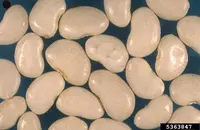
Sieva bean, a form of Phaseolus lunatus, is a warm-season legume grown for its tender, flat seeds and pods. It is commonly known as a small-seeded lima bean type.
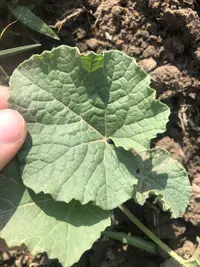
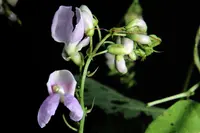
Plants grow as climbing or bushy vines with light green leaves and small white flowers, followed by slender pods. It is native to Central and South America but is now widely cultivated in home gardens.
Growth is fastest in warm conditions with full sun, moderate moisture, and well-drained, fertile soil. Disease pressure and sensitivity to cold are the main factors that influence how easy it is to care for sieva bean.

Care Difficulty
Moderate Care

Light Preference
Full Sun

Water Requirements
Regular Water

Temperature Preference
Tropical / Frost Sensitive

Hardiness Zone
10–11

Soil Texture
Sandy, Loamy, Organic-rich

Soil pH
Acidic (5.5–6.5), Slightly acidic (6.5–7.0)

Soil Drainage
Moist but well-drained

Fertilization
Light (every 4–6 weeks)
Scan your plant to receive care tips personalized for your specific plant
Available on iOS and Android
Phaseolus lunatus needs strong, consistent light to produce healthy vines and pods.
Phaseolus lunatus prefers evenly moist, well-drained soil without long wet or very dry periods.
This warm-season bean grows best in stable, mild to warm temperatures without frost exposure.
Phaseolus lunatus prefers moderately humid air but generally adapts to typical outdoor garden conditions.
Phaseolus lunatus performs best in loose, well-drained, moderately fertile soil.
This species can grow successfully in containers when given enough root depth and stable support.
Phaseolus lunatus benefits from moderate feeding to support strong vegetative growth and pod production.
Phaseolus lunatus needs only light pruning to maintain plant health and manageable growth.
Lima beans are usually grown outdoors and managed through careful transplanting rather than repeated repotting.
New Phaseolus lunatus plants are most commonly raised from seed rather than vegetative methods.
Phaseolus lunatus is a frost-sensitive warm-season annual that does not overwinter in the garden.

Plant Health Check
Not sure what's wrong with your plant? Check your plant's health inside the app.
Lima beans show at least two major domestication centers, one in Mesoamerica and one in the Andes, which is reflected in clear genetic and seed-size differences between traditional varieties.
Raw seeds and young tissues contain cyanogenic glucosides such as linamarin, which can release hydrogen cyanide when damaged; proper soaking and thorough cooking break down these compounds and make the beans safe to eat.
This species forms root nodules with Rhizobium bacteria, which convert atmospheric nitrogen into forms the plant can use, improving soil fertility for subsequent crops in traditional farming systems.

Some domesticated lima bean varieties from the Andes have evolved very large, thick seeds that are so different from their wild relatives that early botanists originally misclassified them as a separate species before genetic studies confirmed their shared origin.
The immature pods and shelled seeds are edible when fully cooked; raw or undercooked seeds can contain harmful cyanogenic compounds. Traditionally they are boiled and often drained once, then seasoned or used in stews and side dishes.
Keep your plants happy and healthy with plant identification, disease detection, and easy care guidance.