strawberry-tomato Care (Physalis grisea)

Also known as: Strawberry Groundcherry
strawberry-tomato

About strawberry-tomato

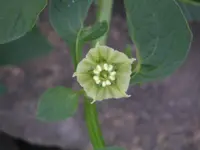
Strawberry-tomato (Physalis grisea) is a small, herbaceous fruiting plant related to tomatoes and tomatillos. It forms a bushy clump with soft, branching stems and simple, slightly hairy leaves. Lantern-like papery husks surround the small fruit, which ripens to a golden or amber color.

This species is native to parts of North America and often grows in open, disturbed sites and light woodland edges. It is generally considered easy to grow, as it tolerates a range of soils and some neglect, though consistent moisture and well-drained ground support better crops.

Good light, moderate watering, and a frost-free growing season are the main needs when you care for strawberry-tomato, especially if fruit harvest is the goal.

Main Plant Requirements

Care Difficulty

Moderate Care

Light Preference

Full Sun

Water Requirements

Moderate Water

Temperature Preference

Warm Climate

Hardiness Zone

4–8

Soil Texture

Sandy, Loamy, Organic-rich

Soil pH

Acidic (5.5–6.5), Slightly acidic (6.5–7.0)

Soil Drainage

Moist but well-drained

Fertilization

Light (every 4–6 weeks)

Get Personalized Care Plan

Scan your plant to receive care tips personalized for your specific plant

Available on iOS and Android

How to Care for the strawberry-tomato

Physalis grisea needs bright, direct sun for strong growth and fruiting.

  • Provide 6–8 hours of direct sun daily, with morning sun and light afternoon shade ideal in hot summer climates.
  • The plant tolerates light partial shade (around 4–5 hours of direct sun), but strawberry-tomato yields and flavor decline with too little light.
  • Watch for pale, leggy stems in low light, and for leaf scorch or crisp edges in intense, all-day sun; adjust exposure seasonally as sun angle shifts.

Physalis grisea prefers steadily moist but not waterlogged soil.

  • Water when the top 3–5 cm of soil feels dry, using a slow soak so moisture reaches the root zone, then let excess drain away.
  • In hot, dry weather, expect to water more often; reduce frequency in cool or rainy periods to avoid saturated soil and root rot.
  • Drooping leaves that recover after watering indicate mild underwatering, while yellowing lower leaves and a sour smell in the soil suggest overwatering and poor drainage.

This plant thrives in warm, frost-free conditions for reliable growth and fruiting.

  • Aim for daytime temperatures of 70–85°F (21–29°C) and nights above 60°F (16°C) during the main growing season.
  • Plants stop thriving below about 50°F (10°C) and are damaged or killed by frost, so protect them with covers or grow after the last spring frost date.
  • Short heat spikes up to 95°F (35°C) are tolerated if soil moisture is stable, but prolonged extreme heat can reduce flowering and fruit set.

This species handles typical home humidity well and rarely needs special moisture control.

  • Target 40–60% relative humidity, similar to most lived-in rooms, for steady flowering and fruit set in strawberry-tomato.
  • Plants tolerate drier air but may show slightly curled, dull leaves and slower growth if humidity stays below 30% for long periods.
  • If air is very dry, group pots together and place them on a pebble tray with water, keeping pot bases above standing water.

This plant prefers loose, well-aerated, moderately fertile soil that drains quickly but does not dry out instantly.

  • Use a loamy mix with 40–50% compost or well-rotted manure, 30–40% standard potting soil, and 10–20% perlite or coarse sand for structure and drainage.
  • Aim for slightly acidic to neutral pH around 6.0–7.0, which keeps nutrients such as iron and phosphorus more available.
  • Ensure the soil crumbles easily in the hand; break up clods and mix in coarse material to improve aeration and root penetration.
  • Avoid heavy clay or compacted ground where water lingers for more than 1 day, which encourages root rot and weak growth in Physalis grisea.

This species is suitable for container growing when given enough root space and steady moisture.

  • Choose a container at least 30–40 cm wide and deep so the spreading root system and bushy top growth stay balanced and stable.
  • Use a heavier pot material like thick plastic or clay outdoors to prevent tipping as the plant fruits and becomes top-heavy.
  • Raise the pot slightly on feet or bricks so drainage holes stay clear and excess irrigation water runs off quickly after watering.

Physalis grisea responds well to moderate, balanced feeding in active growth.

  • Apply a balanced liquid fertilizer (around 10-10-10 NPK) at 1/2 strength every 3–4 weeks during spring and summer.
  • In garden beds, mix in well-rotted compost before planting to support growing strawberry-tomato plants.
  • Use a slow-release granular fertilizer at planting time for container specimens, following label rates.
  • Reduce or stop feeding in fall and winter when growth slows or plants die back.

Pruning Physalis grisea focuses on cleanliness, airflow, and manageable shape.

  • In early spring or after last frost, remove dead, diseased, or frost-damaged stems with clean, sharp pruners.
  • Thin crowded interior shoots to improve light and airflow, which supports flowering and fruit set.
  • Lightly shorten overly long or sprawling stems to keep the plant compact and easier to support.
  • Disinfect blades between plants, especially after cutting diseased tissue, to reduce pathogen spread.

This species is usually grown as an annual in beds, so focus on careful transplanting rather than frequent repotting.

  • Transplant young plants outdoors after frost danger passes and soil has warmed in late spring.
  • Move seedlings when roots lightly fill plug cells; avoid waiting until roots circle tightly, which slows establishment.
  • Plant into loose, well-drained soil at the same depth as in the pot, and firm soil gently around the root ball.
  • Water thoroughly after transplanting and keep evenly moist for 1–2 weeks to limit transplant shock.

Multiplication of Physalis grisea is most practical from seed under warm, bright conditions.

  • Sow fresh or purchased seed indoors 6–8 weeks before the last frost in a sterile, well-drained seed-starting mix.
  • Maintain 70–75°F soil temperature and bright light; seedlings usually emerge in 1–3 weeks.
  • Keep the mix just moist, not wet, to reduce damping-off, a seedling fungal disease.
  • Harden off seedlings gradually outdoors over 7–10 days before planting into the garden.

This plant is generally grown as a warm-season annual and needs only simple winter cleanup in most climates.

  • In regions with frost, allow foliage to die back naturally after hard freezes, then remove spent stems and fruiting husks.
  • In mild-winter areas, a 5–8 cm layer of mulch can help protect the root zone if plants behave short-lived perennial.
  • For container plants in colder zones, discard after harvest or overwinter seeds rather than mature plants.

Care Tips

Sturdy plant support

Install a low cage or short stakes when plants are 15–20 cm tall to keep stems upright, reduce fruit touching the soil, and improve airflow around the foliage.

Mulch for clean fruit

Apply a 3–5 cm layer of clean straw or shredded bark under plants so fallen husk-covered fruits stay dry, cleaner, and easier to find at harvest.

Timed fruit harvests

Check under each plant every 2–3 days once fruits begin to drop, gathering only fully colored, naturally fallen husks to ensure best flavor and avoid waste or rot.

Row cover management

Use lightweight row cover early in the season to protect flowers and young fruit from cool nights and pests, then remove it once flowering is heavy so pollinators can access the blooms.

Succession planting plan

Start a second, smaller batch of plants 3–4 weeks after the first sowing to extend the harvest window and keep production steady when growing strawberry-tomato in short-summer regions.

Common Pests and Diseases

Colorado potato beetle

This pest feeds heavily on foliage and can rapidly defoliate plants in the nightshade family, including ground cherries. Symptoms include skeletonized leaves, clusters of bright yellow-orange eggs on leaf undersides, and striped adult beetles.

Solution

Hand-pick adults, larvae, and egg clusters into soapy water as soon as they appear, and use floating row covers early in the season to prevent beetle access. Encourage natural predators, rotate plantings away from previous nightshade beds, and, if needed, use a targeted spinosad-based product according to label directions, focusing treatment on young larvae.

flea beetles

These insects create many tiny shot-hole lesions in leaves and can stunt young plants, especially in sandy or well-drained soils where ground cherries are often grown. Damage is usually worst in spring and early summer when plants are small.

Solution

Use floating row covers to protect seedlings until plants are well established, and keep the soil surface moist and mulched to reduce beetle activity. Yellow sticky traps and perimeter trap crops (such as radish) can help draw beetles away, and neem-based sprays can reduce feeding when applied to leaf surfaces in the evening.

tobacco mosaic virus

This disease causes mottled, distorted, or narrowed leaves and can reduce fruit yield and quality in Physalis species. Symptoms include light and dark green mosaic patterns, leaf curling, and general plant decline over time.

Solution

Remove and destroy infected plants promptly, as there is no cure, and never compost symptomatic foliage or fruit. Disinfect tools and hands after handling plants, avoid tobacco use around plants, purchase certified clean seed, and control sap-sucking insects that can help spread the virus.

early blight

This disease, caused by the fungus Alternaria solani, produces brown leaf spots with concentric target-like rings, often starting on lower leaves in warm, humid conditions. Symptoms include yellowing around spots, premature leaf drop, and reduced fruit quality if lesions reach the husks.

Solution

Prune lower leaves to improve airflow, avoid overhead watering, and water at the soil level to keep foliage dry. Remove infected leaves, mulch the soil to reduce splash, rotate crops for at least 2–3 years away from other nightshades, and, if disease pressure is high, apply a copper-based or biofungicide product labeled for Alternaria, following all safety directions.

brown leaf spot

This disease, often caused by Cercospora species on Physalis, leads to small tan to dark brown spots with defined margins on leaves that can merge into larger dead patches. Symptoms include thinning foliage, reduced vigor, and in severe cases premature defoliation that exposes fruits to sunscald.

Solution

Remove spotted leaves as soon as they are noticed and dispose of them in the trash, not the compost. Improve spacing and air circulation, water in the morning at the base of the plant, keep foliage dry, and rotate nightshade crops; in persistent cases, a regular schedule of copper or biological fungicides can help protect new growth as part of broader Physalis grisea care instructions.

Interesting Facts

Distinctive husk pattern

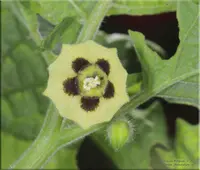
The fruiting calyx of this species often shows a fine network of darker reticulate veins on a pale background, which helps distinguish it from similar groundcherries whose husks are more uniformly colored.

Genetic split from relatives

Molecular studies have shown that this taxon was long misidentified as Physalis pruinosa, and only recent genetic and morphological work clarified it as a separate species with its own evolutionary lineage.

Cool‑season adaptation

This plant has been documented to flower and set fruit reliably in relatively cool summer climates, which sets it apart from several warm-adapted Physalis relatives that need higher heat to crop well.

FAQs about strawberry-tomato

The ripe husked berries are edible and often described as sweet with a hint of pineapple. Only eat fully ripe, golden to amber fruits. Unripe green fruits and other plant parts contain glycoalkaloids and should not be eaten.

Grow Healthy Plants with Botan Care

Keep your plants happy and healthy with plant identification, disease detection, and easy care guidance.

Botan plant care app — identify plants on mobile

Explore More Plants