Wind-conditioning young plants
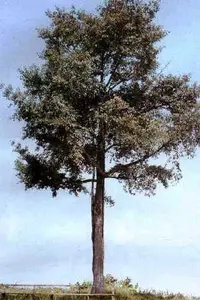
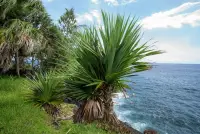
If grown in a sheltered spot, periodically expose young plants to moderate wind or gently flex the stems by hand to encourage thicker trunks and sturdier branching before planting in a permanently windy coastal site.

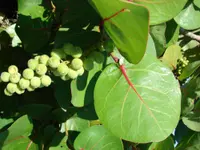
Seagrape, Coccoloba uvifera, is a broadleaf evergreen shrub or small tree native to coastal areas of Florida, the Caribbean, and parts of Central and South America. It is naturally salt-tolerant and often forms dense thickets along beaches and dunes.
The plant has large, round, leathery leaves with prominent red veins and can produce hanging clusters of grape-like fruits. Its strong wind and salt tolerance make it useful as a coastal hedge or small specimen tree.
In cultivation, it prefers bright light, warm temperatures, and well-drained sandy or loamy soil. Understanding how to care for seagrape mainly involves matching its natural coastal conditions as closely as possible.

Care Difficulty
Moderate Care

Light Preference
Full Sun

Water Requirements
Moderate Water

Temperature Preference
Tropical / Frost Sensitive

Hardiness Zone
10–11

Soil Texture
Sandy, Loamy, Organic-rich

Soil pH
Slightly acidic (6.5–7.0), Neutral (7.0)

Soil Drainage
Well-drained

Fertilization
Minimal (feed rarely)
Scan your plant to receive care tips personalized for your specific plant
Available on iOS and Android
This coastal species thrives in strong light but benefits from some protection from the harshest sun inland.
This species prefers evenly moist, well-drained soil but is drought tolerant once established.
This coastal shrub or small tree is adapted to warm, frost-free climates and does not tolerate prolonged cold.
This coastal species handles a wide humidity range but prefers moderate moisture in the air.
This species prefers loose, sandy to sandy-loam soil that drains very quickly.
This species can be grown in containers, especially in warm climates where outdoor space is limited.
Coccoloba uvifera grows well in lean, sandy soils but benefits from light feeding in containers or poor ground.
Pruning Coccoloba uvifera is mainly used to manage size, structure, and clearance rather than to maintain health.
Seagrape is usually landscape-grown, so focus on careful transplanting or infrequent pot ups for young container plants.
Coccoloba uvifera is commonly propagated from seeds or semi-hardwood cuttings where conditions are warm and bright.
This coastal species is only lightly frost tolerant and needs protection in regions with colder winters.

Plant Health Check
Not sure what's wrong with your plant? Check your plant's health inside the app.
The seagrape forms dense clumps with extensive surface roots that trap sand and stabilize dunes, helping protect tropical shorelines from erosion and storm surge.
This species has thick, leathery, wax-coated leaves that tolerate salt spray and strong coastal winds, allowing it to grow almost at the high-tide line in many Caribbean and Florida beaches.
Its grape-like fruit clusters can float and remain viable in seawater, which helps the species colonize new beaches as currents carry the seeds along tropical coasts.

In some coastal areas of the Caribbean and southern Florida, local regulations and conservation plans protect established seagrape stands because they provide critical nesting and cover habitat for shorebirds, reptiles, and invertebrates while also buffering human structures from coastal storms.
The fruits are edible when fully ripe, turning deep purple and soft. They have a sweet-tart flavor and can be eaten fresh or used for jam, jelly, or wine. Avoid unripe, green fruits.
Keep your plants happy and healthy with plant identification, disease detection, and easy care guidance.