shamel ash Care (Fraxinus uhdei)

Also known as: tropical ash
shamel ash

About shamel ash

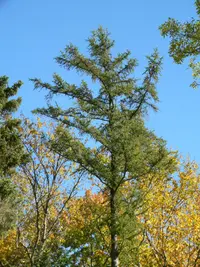
Shamel ash, Fraxinus uhdei, is a fast-growing, broadleaf deciduous to semi-evergreen tree commonly used as a shade and street tree in warm climates. It develops a tall, upright canopy with a straight trunk, smooth gray bark when young, and glossy, pinnate leaves that create dense shade.

This species is native to Mexico and Central America but is widely planted in the southern United States and similar regions. It is considered relatively easy to grow but can become very large, so space and root spread must be planned carefully.

In general, it prefers full sun, moderate moisture, and well-drained soil, which guides how to care for shamel ash in landscapes and large gardens.

Main Plant Requirements

Care Difficulty

Moderate Care

Light Preference

Full Sun

Water Requirements

Moderate Water

Temperature Preference

Warm Climate

Hardiness Zone

9–11

Soil Texture

Loamy, Sandy, Clay

Soil pH

Slightly acidic (6.5–7.0), Slightly alkaline (7.0–7.5)

Soil Drainage

Moist but well-drained

Fertilization

Minimal (feed rarely)

Get Personalized Care Plan

Scan your plant to receive care tips personalized for your specific plant

Available on iOS and Android

How to Care for the shamel ash

This fast-growing shade tree needs abundant sun to develop a strong canopy and dense foliage.

  • Provide 6–8 hours of direct sun daily; full sun is ideal, though shamel ash tolerates light afternoon shade in hot regions.
  • Plant where it receives morning sun and any reflected heat from walls or pavement is limited to prevent leaf scorch.
  • In partial shade, expect a more open, sparse crown; monitor for leaning or thin growth, which indicates insufficient light.

This species prefers deep, infrequent watering that allows the soil surface to dry slightly between soakings.

  • In the first 2–3 years, water when the top 5–8 cm of soil are dry, applying a slow, deep soak that moistens the top 30–45 cm.
  • Use well-drained soil; pooling water or a sour smell near the roots signals poor drainage and risk of root rot from overwatering.
  • Mature trees usually rely on rainfall; watch for dull, curling leaves as a sign of drought stress and yellowing leaves for potential overwatering.

This tree is suited to warm, frost-free or very light-frost climates with mild winters and hot summers.

  • Optimal growth occurs around 65–90°F (18–32°C), with vigorous canopy development in consistently warm conditions.
  • Fraxinus uhdei is damaged below about 28°F (-2°C); young trees are more frost-sensitive and benefit from wind protection.
  • It tolerates short heat waves to 100–105°F (38–41°C) if soil moisture is adequate, but prolonged extreme heat with drought can cause leaf scorch and early leaf drop.

Humidity is rarely a limiting factor for Fraxinus uhdei grown outdoors.

Fraxinus uhdei prefers deep, well-structured mineral soil that drains freely yet retains some moisture.

  • Use a loamy soil with a mix of sand, silt, and moderate organic matter to support strong root development.
  • Aim for slightly acidic to neutral pH around 6.0–7.5, avoiding strongly acidic or saline conditions.
  • In heavy clay, incorporate coarse sand and compost to improve drainage and aeration before planting.
  • Avoid compacted, waterlogged, or very shallow soils, which restrict rooting and increase risk of root rot.

This fast-growing tree is generally unsuitable for long-term container culture due to its large size and vigorous root system.

Fraxinus uhdei benefits from moderate, targeted feeding in nutrient-poor or compacted urban soils.

  • Apply a balanced slow-release fertilizer (such as 10-10-10) once in early spring as new growth begins.
  • Use light to moderate rates; follow label instructions and avoid over-application that can cause weak, fast growth.
  • In richer soils, supplement only with a thin layer of compost over the root zone in spring.
  • Stop fertilizing by late summer and do not feed during winter dormancy to allow tissues to harden.

Pruning Fraxinus uhdei helps maintain a strong structure and safe clearance in landscape settings.

  • Carry out structural pruning in late winter to early spring before vigorous growth starts.
  • Remove dead, diseased, crossing, or storm-damaged branches first to reduce pest and decay risk.
  • Thin crowded interior branches to improve light penetration and wind flow, shaping a balanced canopy.
  • Use clean, sharp bypass pruners or a pruning saw, making cuts just outside the branch collar.

This large tree is usually grown in the ground, so focus on careful transplanting of young Fraxinus uhdei rather than long-term container repotting.

  • Transplant in late winter to early spring when the tree is dormant and temperatures are mild.
  • Look for circling roots in nursery containers or stalled growth as signs the tree needs a larger planting space.
  • Dig a wide, shallow planting hole, gently loosen circling roots, and set the root flare at soil level.
  • Water deeply after planting, mulch 5–8 cm away from the trunk, and keep soil evenly moist to limit transplant shock.

Fraxinus uhdei is most often propagated by seed under controlled conditions rather than by home methods.

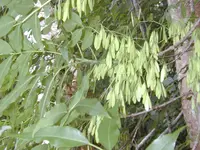
  • Collect mature seeds in late summer to autumn, once samaras turn brown and dry.
  • Provide cold stratification at about 34–41°F for 2–3 months to break seed dormancy.
  • Sow in a free-draining, moist medium and keep at 60–70°F with bright, indirect light.
  • Seed-grown trees vary genetically, so expect differences in vigor, branching, and canopy form.

In mild-winter climates, shamel ash generally needs minimal winter attention once established.

  • In regions with occasional light frost, young trees benefit from 5–8 cm of mulch over the root zone.
  • Keep mulch slightly away from the trunk to avoid excess moisture against the bark.
  • Container-grown specimens in colder areas should be moved to a frost-free, bright, sheltered position.

Care Tips

Establish strong leader

In the first 3–5 years, select one straight central trunk and remove competing upright branches in late winter to build a stable structure that resists storm damage as the tree matures.

Manage surface roots

Install a 5–8 cm deep mulch ring extending at least 90–120 cm from the trunk and keep lawn irrigation light near the base to discourage surface root heave that can lift paving or turf.

Proactive borer monitoring

From spring through late summer, inspect the trunk and major limbs monthly for small exit holes, oozing sap, or sawdust-like frass and consult a certified arborist early if signs appear, since timely response is critical when caring for shamel ash.

Seasonal crown thinning

Every 2–4 years, have a qualified arborist thin crowded interior branches by no more than 20% of the live crown to improve airflow, reduce wind resistance, and lower limb failure risk without over-pruning.

Protect from construction

Before any building or paving work, fence off the root protection area at least out to the drip line and prevent soil compaction, grade changes, and trenching to avoid long-term decline that often appears several years after disturbance.

Common Pests and Diseases

Emerald ash borer

This pest is a metallic green beetle whose larvae tunnel under the bark, disrupting water and nutrient flow and causing progressive canopy thinning and branch dieback.

Solution

Inspect trunks and major branches for D-shaped exit holes, bark splits, and woodpecker damage; remove and properly dispose of heavily infested trees to slow spread. In early stages, use systemic insecticides labeled for emerald ash borer applied as soil drenches or trunk injections by a licensed professional, and avoid moving firewood from infested areas.

Ash whitefly

These insects are small, white, moth-like flies that feed on leaf sap, causing yellowing, leaf drop, and sticky honeydew that can lead to sooty mold on Fraxinus uhdei planted as street or shade trees.

Solution

Monitor the undersides of leaves and shake branches to detect flying adults, then use strong water sprays to dislodge nymphs and adults from foliage. In heavier infestations, apply horticultural oil or insecticidal soap thoroughly to leaf undersides and encourage natural enemies such as parasitic wasps by avoiding broad-spectrum insecticides.

Ash rust

This disease is caused by rust fungi that produce yellow to orange pustules on leaves, petioles, and twigs, which can lead to distorted growth and premature leaf drop in humid or coastal regions.

Solution

Rake and destroy infected fallen leaves and prune out heavily affected twigs to reduce fungal spores, ensuring tools are disinfected after use. Improve airflow by selective thinning of crowded branches and, in high-pressure areas, use a labeled systemic or protectant fungicide at bud break and repeat as directed during wet periods.

Verticillium wilt

This disease is a soil-borne fungal infection that blocks the tree’s water-conducting tissues, leading to sudden wilting, branch dieback, and often one-sided canopy decline.

Solution

Remove and destroy severely affected branches back to healthy wood and avoid planting new susceptible trees in the same soil. Maintain tree vigor with regular deep watering during dry periods, mulch to protect roots, avoid heavy fertilization with high-nitrogen products, and consider gradual replacement if decline continues, as there is no reliable cure.

Ash bark beetles

These insects are small brown to black beetles whose adults bore into stressed trees, creating galleries under the bark and leading to branch dieback and increased risk of secondary infections.

Solution

Monitor for fine sawdust at the base of the trunk or in bark crevices and prune out and destroy infested branches promptly to remove breeding sites. Reduce tree stress through appropriate watering, avoid trunk injury, and in high-risk areas consider preventive trunk sprays by a professional arborist timed to adult beetle flight periods.

Interesting Facts

Fast urban shade tree

This species can reach substantial height and canopy spread in only a few decades, which led to its widespread use as a street and park tree in mild-climate cities, especially in California and Mexico.

Evergreen for an ash

Unlike many temperate ash species that are deciduous, this tree is functionally evergreen to semi-evergreen in frost-free climates, retaining foliage for most of the year and providing continuous shade.

Host of invasive beetle

It is susceptible to the invasive emerald ash borer (Agrilus planipennis), and experimental studies have used it to evaluate how to take care of shamel ash and manage beetle resistance and damage in urban plantings.

Botan icon

Did you know?

Fraxinus uhdei has escaped cultivation and become invasive in parts of Hawaii, where it can form dense stands that outcompete native vegetation and alter montane forest structure.

FAQs about shamel ash

This species is very fast-growing, often adding 60–120 cm per year in suitable climates. Growth is quickest in deep, well-watered soils with good drainage and slows noticeably in compacted, shallow, or very dry sites.

Grow Healthy Plants with Botan Care

Keep your plants happy and healthy with plant identification, disease detection, and easy care guidance.

Botan plant care app — identify plants on mobile

Explore More Plants