Indian rosewood Care (Dalbergia sissoo)

Also known as: North Indian rosewood
Indian rosewood

About Indian rosewood

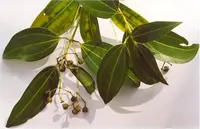
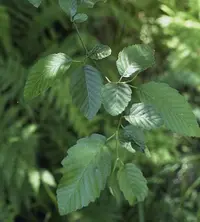
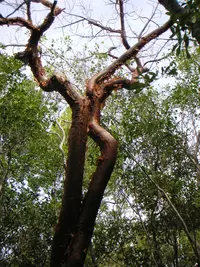
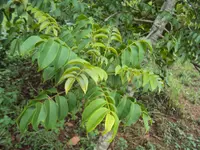
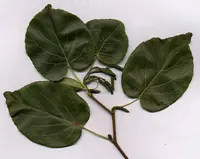
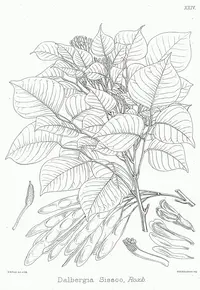
Indian rosewood, Dalbergia sissoo, is a fast-growing deciduous tree valued for its dense canopy and durable, richly colored timber. It typically develops a tall, upright form with a broad, rounded crown and compound leaves that give it a fine, airy texture.

This species is native to the Indian subcontinent, where it grows along riverbanks and in dry, subtropical forests. It tolerates heat, seasonal drought, and a range of soil types, which makes it relatively resilient once established.

For those learning how to care for Indian rosewood, its main needs are bright light, good drainage, and protection from prolonged waterlogging or severe frost, especially in young plants.

Main Plant Requirements

Care Difficulty

Moderate Care

Light Preference

Full Sun

Water Requirements

Moderate Water

Temperature Preference

Warm Climate

Hardiness Zone

9–11

Soil Texture

Sandy, Loamy, Clay

Soil pH

Slightly acidic (6.5–7.0), Slightly alkaline (7.0–7.5)

Soil Drainage

Well-drained

Fertilization

Minimal (feed rarely)

Get Personalized Care Plan

Scan your plant to receive care tips personalized for your specific plant

Available on iOS and Android

How to Care for the Indian rosewood

Dalbergia sissoo grows best in full sun but tolerates some light shade, especially in hot regions.

  • Provide 6–8 hours of direct sun daily; morning and midday sun support dense growth and strong wood development.
  • Allow light afternoon shade in very hot climates to reduce leaf scorch and stress, especially on young trees.
  • In cooler seasons, ensure exposure is not blocked by buildings or larger trees, as prolonged shade leads to sparse foliage and weak branching.

Dalbergia sissoo prefers deep, infrequent watering once established, with soil allowed to partially dry between soakings.

  • Water young trees when the top 5–8 cm of soil feel dry, applying a slow, deep soak so moisture reaches the main root zone.
  • Reduce watering frequency in cool or rainy seasons; avoid standing water by using free-draining soil and, if needed, slightly raised planting areas.
  • Watch for yellowing leaves and soft new growth as signs of overwatering, and for curling or browning leaf edges as indications of underwatering.

This species thrives in warm to hot climates and shows good heat tolerance once established.

  • Provide growing conditions around 77–95°F (25–35°C) for fastest growth, though the tree also functions well at 68–77°F (20–25°C).
  • Mature trees can briefly tolerate down to about 23–26°F (-5 to -3°C), but young plants are more sensitive and may be damaged near freezing.
  • Protect from hard frost and cold winds; in very hot spells above 104°F (40°C), mulch and adequate soil moisture help limit heat stress and leaf drop.

Dalbergia sissoo tolerates a wide humidity range and rarely needs special humidity management when grown outdoors or in well-ventilated spaces.

Dalbergia sissoo prefers deep, well-drained mineral soils that allow fast water movement around the roots.

  • Use a loamy or sandy-loam structure with moderate organic matter so the root zone stays aerated but not overly rich.
  • Aim for slightly acidic to neutral pH, roughly 6.5–7.5, which supports nutrient availability and stable growth.
  • Blend coarse sand or fine gravel into heavy or clay-based ground to improve drainage and reduce waterlogging risk.
  • Avoid compacted, saline, or chronically wet sites, which encourage root decline and poor structural stability.

This species can be grown in large containers only temporarily or as a managed specimen, due to its vigorous root system and eventual size.

  • Select a very heavy, wide-based pot to reduce tipping risk as the canopy and woody stems gain height and weight.
  • Use a deep container that allows a strong taproot and lateral roots to develop without circling too quickly.
  • Choose a pot material that limits overheating and rapid drying, such as thick-walled ceramic or insulated plastic, to buffer root stress.

Dalbergia sissoo benefits from moderate feeding when grown in managed landscapes or containers.

  • Use a balanced NPK fertilizer or well-rotted compost in spring to support new growth.
  • Apply a slow-release granular product or diluted liquid feed at 1/2 strength every 4–6 weeks during the growing season.
  • Reduce or stop feeding in winter when growth slows, especially in cooler regions.
  • Avoid overfertilization; monitor leaf color and growth rate rather than following only the label schedule.

Pruning Dalbergia sissoo helps manage size, structure, and clearance in landscape settings.

  • Carry out structural pruning in late winter or very early spring before active growth begins.
  • Remove dead, diseased, crossing, or storm-damaged branches first, using clean, sharp bypass pruners or a pruning saw.
  • Thin crowded interior branches to improve light penetration and airflow while maintaining a balanced canopy shape.
  • Limit heavy cuts in one season to reduce stress and encourage strong, well-spaced framework branches.

Dalbergia sissoo is usually grown as a landscape tree, so transplanting young stock is more common than long-term container repotting.

  • Transplant in late winter or early spring while the tree is dormant or just before new growth starts.
  • Look for signs such as roots circling the container, root-bound nursery stock, or stalled growth when deciding to move it.
  • Plant into a hole 2–3× wider than the root ball, loosening circling roots gently to reduce future girdling.
  • Water deeply after planting, mulch 5–8 cm around (not against) the trunk, and keep soil evenly moist until established.

Dalbergia sissoo is commonly propagated in nurseries from both seeds and semi-hardwood cuttings.

  • Collect ripe seeds in late season, scarify lightly, and sow in warm, free-draining mix at 70–80°F for better germination.
  • Take semi-hardwood stem cuttings in late spring to summer and treat bases with rooting hormone to improve success.
  • Place cuttings in a bright, shaded area with high humidity and evenly moist, well-aerated rooting medium.
  • Label batches and discard any rotting material promptly to limit fungal issues during rooting or germination.

Dalbergia sissoo prefers warm climates and can suffer in extended freezing conditions, especially as a young tree.

  • In marginal climates, apply a 5–8 cm mulch layer over the root zone in late fall, keeping it away from the trunk.
  • For young or container-grown trees, move pots into a frost-free garage or shelter when temperatures approach freezing.
  • Avoid heavy pruning or high-nitrogen feeding late in the season so new growth hardens before winter arrives.

Care Tips

Root space planning

Allow ample root run by planting away from foundations, paved areas, and underground utilities, since this species develops an aggressive root system that can crack hard surfaces and compete heavily with nearby plants.

Wind and form training

Install a sturdy stake only in very windy sites and remove it after 1–2 years, while selectively pruning competing leaders early so the tree develops a single strong trunk less prone to storm damage.

Salt and drought strategy

In hot, dry, or slightly saline regions, apply a wide mulch ring and avoid shallow, frequent irrigation so roots grow deeper and the tree maintains higher stress tolerance over time.

Sucker and rootshoot control

Regularly cut off basal shoots and root suckers at their point of origin rather than mowing over them, which reduces trip hazards, prevents unwanted thickets, and keeps the canopy structure cleaner when growing Indian rosewood in landscapes.

Borer monitoring routine

Inspect trunks and main branches several times a year for small exit holes, sawdust-like frass, or dieback, and remove and destroy affected limbs promptly to limit spread of wood-boring insects.

Common Pests and Diseases

Shoot borer

This pest is a caterpillar that tunnels into young shoots, causing wilting, breakage, and deformed growth in new branches.

Solution

Prune and destroy infested shoots as soon as wilting or entry holes are noticed, then encourage strong regrowth with adequate water and balanced fertilizer; in outdoor or plantation settings, use light traps and, if needed, targeted biological insecticides containing Bacillus thuringiensis (Bt) on young flushes to reduce larval populations.

Stem and root borer

This pest bores into the lower trunk and main roots, leading to sawdust-like frass at the base, bark cracking, canopy thinning, and eventual decline of the tree.

Solution

Remove and destroy heavily infested branches or small trees and carefully chisel out accessible larvae from galleries; maintain tree vigor through proper watering and mulching, avoid trunk injuries, and in high-risk areas use physical barriers or trunk banding and apply a systemic insecticide to the soil around the root zone if allowed locally.

Leaf webber

These insects are caterpillars that web and fold leaflets together, feeding inside and causing skeletonized, brown, and prematurely shed leaves.

Solution

Hand-remove and destroy webbed leaf clusters when infestations are light, and encourage natural predators by avoiding broad-spectrum insecticides; in larger trees or repeated outbreaks, use targeted sprays of neem-based products or Bt on young foliage at the first sign of webbing as part of Dalbergia sissoo care instructions.

Powdery mildew

This disease produces white, powdery fungal growth on leaf surfaces, leading to yellowing, curling, and early leaf drop, especially on young foliage in dry, warm conditions.

Solution

Prune to improve airflow in the canopy and remove heavily infected leaves, then apply a sulfur-based or potassium bicarbonate fungicide to new and lightly affected foliage while avoiding overhead watering where practical.

Leaf spot

Symptoms include small brown to black spots on leaves that may enlarge, merge, and cause partial defoliation during humid periods.

Solution

Collect and dispose of fallen infected leaves, avoid wetting foliage if irrigation is used, thin crowded branches to improve drying, and treat persistent cases with a copper-based fungicide applied according to label directions during the main infection period.

Interesting Facts

Seasonal leaf shedding

This species is technically evergreen but often sheds most of its leaves in the dry or cool season in its native range, functioning as semi-deciduous to reduce water loss under stress.

Root suckering habit

Sissoo commonly produces root suckers, new stems that emerge from its spreading root system, which helps it form dense stands but can also make it invasive outside its native range.

Nitrogen-fixing partnership

The roots form symbiotic associations with nitrogen-fixing bacteria that convert atmospheric nitrogen into usable forms, improving soil fertility and supporting surrounding vegetation over time.

Botan icon

Did you know?

Indian rosewood timber from this species is highly valued for furniture and musical instruments because the heartwood combines high density and strength with good dimensional stability, meaning it resists warping and holds precise shapes over many years.

FAQs about Indian rosewood

This species is generally fast-growing, often adding 60–120 cm in height per year in warm climates with good soil and water. Growth slows in poor, compacted, or dry soils and in cooler regions.

Grow Healthy Plants with Botan Care

Keep your plants happy and healthy with plant identification, disease detection, and easy care guidance.

Botan plant care app — identify plants on mobile

Explore More Plants