Ceylon cinnamon Care (Cinnamomum verum)

Also known as: Ceylon cinnamon, true cinnamon
Ceylon cinnamon

About Ceylon cinnamon

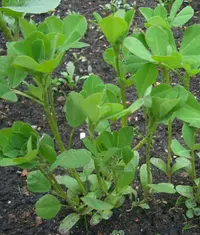
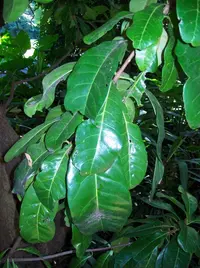
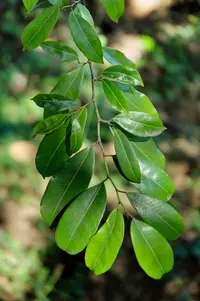
Ceylon cinnamon, Cinnamomum verum, is an evergreen tree from Sri Lanka and southern India, grown for its aromatic bark and glossy leaves. In cultivation it is often pruned to a shrub-like form to keep it compact and easier to harvest.

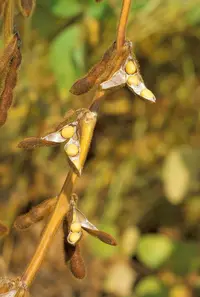
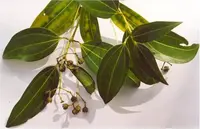
Young stems are smooth and light brown, while mature foliage is deep green and slightly leathery. The plant produces small, pale flowers and dark berries, though these are usually secondary to bark production.

It prefers warm, humid, frost-free conditions with bright light, shelter from strong wind, and well-drained, slightly rich soil. With stable warmth and protection from cold, it is moderately easy to care for Ceylon cinnamon in suitable climates or protected indoor spaces.

Main Plant Requirements

Care Difficulty

Moderate Care

Light Preference

Partial Sun

Water Requirements

Moderate Water

Temperature Preference

Tropical / Frost Sensitive

Hardiness Zone

10–12

Soil Texture

Loamy, Sandy, Organic-rich

Soil pH

Acidic (5.5–6.5), Slightly acidic (6.5–7.0)

Soil Drainage

Moist but well-drained

Fertilization

Light (every 4–6 weeks)

Get Personalized Care Plan

Scan your plant to receive care tips personalized for your specific plant

Available on iOS and Android

How to Care for the Ceylon cinnamon

Cinnamomum verum grows best in bright, gentle light that mimics its native understory habitat.

  • Aim for 4–6 hours of bright, indirect light daily, with morning sun and afternoon filtered light under taller trees or shade cloth.
  • Tolerates partial shade, especially in hot climates, but growth may slow if light drops below roughly 3–4 hours of bright conditions.
  • Avoid harsh midday summer sun, which can scorch leaves; provide dappled shade and adjust exposure seasonally as the sun angle changes.

This species prefers evenly moist, well-drained soil and is sensitive to both drought and waterlogging.

  • Water when the top 3–5 cm of soil feels dry, allowing deeper soil to stay slightly moist but never saturated.
  • Use soil with good drainage; standing water around roots promotes rot, yellowing leaves, and a sour smell, especially in heavier soils.
  • In warm, active growth, you may need to water more often; in cooler months, let the soil dry a bit more and watch for leaf droop as an underwatering signal.

This tropical tree requires warm, stable temperatures and does poorly in cold or frost-prone sites.

  • Ideal growing range is 70–85°F (21–29°C), supporting steady leaf and stem growth throughout the warm season.
  • Avoid temperatures below 55°F (13°C); light chills can slow growth, and frost at 32°F (0°C) or lower can kill young Cinnamomum verum.
  • In hot areas above 90°F (32°C), provide extra shade and soil moisture, and protect from drying winds and sudden temperature swings between day and night.

This species prefers moderately humid air and reacts if conditions stay too dry for long.

  • Aim for 50–70% humidity to support steady leaf and shoot growth in Ceylon cinnamon.
  • Expect curled, crispy leaf edges and stalled new growth when air stays below ~40% humidity, especially near heating or AC vents.
  • Increase humidity with a nearby humidifier, grouped plants, or a wide pebble tray, avoiding misting that keeps leaves wet for long periods.

Cinnamomum verum grows best in loose, well‑aerated, organic‑rich soil that drains quickly but does not dry out instantly.

  • Use a loamy mix of roughly 50% all‑purpose potting mix, 30% compost, and 20% perlite or coarse sand for structure and drainage.
  • Keep pH slightly acidic to neutral, around 6.0–7.0, avoiding strongly alkaline soils that can reduce nutrient availability and cause leaf yellowing.
  • Ensure the mix feels springy, not compacted; incorporate fine bark or coconut husk chips to increase air spaces around the roots.
  • Avoid heavy clay, waterlogged spots, or mixes dominated by peat with no coarse material, since these conditions promote root rot and weak growth.

This species is suitable for container growing when the pot balances drainage with stable root volume.

  • Choose a deep, slightly wider‑than‑rootball container so the developing woody root system can anchor the plant and resist tipping in wind.
  • Use a potting mix that drains freely, then keep a raised saucer or pot feet under the container to prevent the base from sitting in trapped runoff.
  • Select heavier materials like ceramic or stone for taller plants, as added pot weight helps prevent a top‑heavy tree from leaning or falling over.

This evergreen spice tree benefits from moderate, targeted feeding during its active growing season.

  • Use a balanced liquid NPK fertilizer at 1/2 strength every 4–6 weeks in spring and summer for Cinnamomum verum.
  • Alternatively, apply a slow-release granular fertilizer in early spring, following label rates for woody shrubs or small trees.
  • Supplement with a thin layer of well-rotted compost over the root zone once per year to support soil biology and structure.
  • Stop feeding in fall and winter to avoid forcing soft growth that is vulnerable to low temperatures and pests.

Thoughtful pruning keeps Cinnamomum verum compact, healthy, and easier to manage for foliage or bark harvest.

  • Carry out main pruning in late winter or very early spring before strong new growth begins.
  • Remove dead, diseased, crossing, or inward-growing branches with clean, sharp bypass pruners or loppers.
  • Shorten overly long shoots to encourage bushier branching and a stable, multi-stemmed form.
  • Avoid heavy cuts on older wood; focus on gradual thinning over several seasons to reduce stress.

Container-grown or young Cinnamomum verum plants need thoughtful transplanting to avoid root shock and check growth.

  • Plan major transplanting for late spring once soil has warmed and frost risk has passed.
  • Look for roots circling the pot, water running straight through, or slowed growth as signs a larger container or ground planting is needed.
  • Transplant every 2–3 years for potted plants, stepping up only 1–2 pot sizes with a free-draining, slightly acidic mix.
  • Handle roots gently, loosen tight circling roots, water thoroughly after planting, and provide shade and wind protection for 1–2 weeks.

New Cinnamomum verum plants are typically raised from semi-hardwood cuttings or seed under controlled conditions.

  • Take semi-hardwood stem cuttings in late spring or early summer, 10–15 cm long, from non-flowering shoots.
  • Dip cut ends in rooting hormone and place in a sterile, well-draining medium under high humidity and 70–80°F warmth.
  • Sow fresh seed in a moist, free-draining mix at 70–80°F, as viability drops quickly with storage.
  • Provide bright, indirect light and avoid waterlogging to limit rot while roots form over several weeks to months.

This tropical tree is frost-sensitive and needs careful winter management in regions with cool or cold seasons.

  • In ground, only plant in frost-free climates; occasional light frosts can damage young growth and bark.
  • Apply 5–8 cm of organic mulch around the root zone in fall, keeping it slightly away from the trunk.
  • For containers, move plants indoors or into a greenhouse before temperatures drop below 45°F.
  • Indoors, give bright light, good air circulation, and slightly drier soil than in summer while caring for Ceylon cinnamon.

Care Tips

Root-zone mulching

Apply a 3–5 cm layer of fine bark or leaf mold around the root zone, keeping it 3–5 cm away from the trunk, to stabilize soil moisture and temperature while gradually improving structure.

Branch framework training

In the first 2–3 years, selectively tip-prune vigorous shoots and keep 3–5 well-spaced main branches to create an open, vase-shaped framework that supports healthier foliage and easier harvest of young bark later on.

Salt and wind protection

In coastal or windy sites, use windbreak netting or plant on the sheltered side of a fence or hedge to reduce leaf burn, broken shoots, and salt stress on tender new growth.

Mycorrhiza support

When planting in the ground, incorporate a small amount of native, healthy woodland soil into the backfill to introduce beneficial fungi that can improve nutrient uptake and resilience in this species.

Container rotation routine

For container plants, rotate the pot by 90° every 2–3 weeks and lightly brush or stake young stems upright so light reaches all sides evenly and the plant develops a balanced, non-leaning canopy when growing Ceylon cinnamon.

Common Pests and Diseases

Leaf spot

This disease causes small brown or black lesions on leaves that may enlarge, merge, and lead to premature leaf drop, especially in warm, humid conditions.

Solution

Remove and discard heavily spotted leaves, avoid overhead watering, and improve air circulation around the plant; if the problem persists, apply a copper-based or other labeled fungicide according to Cinnamomum verum care instructions and local regulations.

Stem canker

This disease produces sunken, dark lesions on stems and branches, which can girdle young shoots and cause dieback above the affected area.

Solution

Prune out affected stems well below the visible canker with sterilized tools, dispose of all infected material, and keep the plant stress-free by avoiding mechanical injury and maintaining moderate, consistent moisture; in outdoor plantings, improve drainage and reduce prolonged bark wetness.

Scale insects

These insects attach to stems and leaf veins as small, rounded or oval bumps and suck sap, leading to yellowing foliage, reduced vigor, and sticky honeydew that can support sooty mold growth.

Solution

Wipe or gently scrub infested areas with a soft cloth or brush dipped in mild soapy water, repeat weekly until numbers drop, and use a horticultural oil or insecticidal soap treatment to target remaining crawlers while protecting beneficial insects as much as possible.

Cinnamon butterfly

This pest, the larval stage of certain Chilasa or Papilio butterflies, feeds on young cinnamon leaves, creating irregular holes and sometimes skeletonizing foliage on small plants or nursery stock.

Solution

Hand-pick and remove caterpillars where practical, protect young plants with fine mesh netting if damage is frequent, and encourage natural predators such as birds; in severe infestations in outdoor plantings, use a targeted biological insecticide containing Bacillus thuringiensis (Bt) applied to young leaves.

Leaf blight

This disease starts as water-soaked or pale patches on young leaves that rapidly turn brown, dry, and irregular, often beginning at the tips or margins and progressing inward during periods of high humidity and rainfall.

Solution

Promptly remove and destroy affected leaves, thin dense growth to improve airflow, avoid wetting foliage late in the day, and in persistent outdoor problems use a suitable preventive fungicide spray during wet seasons while monitoring for early symptoms.

Interesting Facts

True cinnamon source

This species is the primary source of what is botanically considered true cinnamon, with thin, paper-like inner bark that curls into tight, multi-layered quills when dried.

Low coumarin content

Unlike cassia-type cinnamons, its bark naturally contains very low levels of coumarin, a fragrant compound that in high amounts can stress the liver in sensitive individuals.

Native coastal habitat

It is naturally distributed in the lowland and mid-elevation wet zones of Sri Lanka, where it grows in evergreen rainforests with consistently high humidity and year-round rainfall.

Botan icon

Did you know?

Historical records show that for centuries, control of the Sri Lankan cinnamon trade significantly influenced colonial powers in the Indian Ocean region, making this single tree species a major driver of economic and political competition.

FAQs about Ceylon cinnamon

Yellowing leaves usually result from water stress, root rot, nutrient deficiency, or sudden temperature change. Check drainage, let the top soil layer dry slightly between waterings, and use a balanced fertilizer at low strength during active growth.

Grow Healthy Plants with Botan Care

Keep your plants happy and healthy with plant identification, disease detection, and easy care guidance.


Botan plant care app — identify plants on mobile

Explore More Plants