Formative coppicing
In the first 2–3 years, cut young stems back to 15–30 cm above ground in late winter to encourage a multi-stemmed structure that resprouts vigorously and stabilizes slopes more effectively.

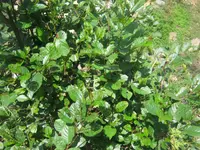
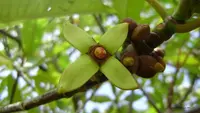
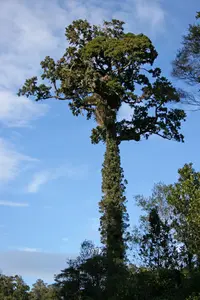
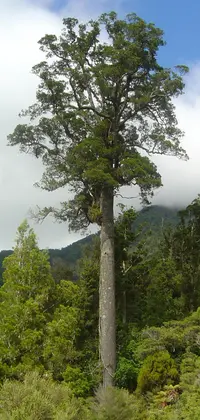
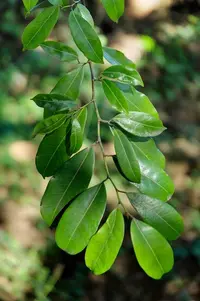
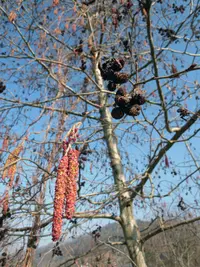
Nepal alder, Alnus nepalensis, is a fast-growing deciduous tree from the Himalayas and surrounding regions. It is commonly found on riverbanks, hillsides, and disturbed slopes. The tree has light gray bark, slender branches, and simple serrated leaves, with small cone-like structures that hold the seeds. It often forms loose, open crowns and can reach substantial height in suitable conditions. This species is valued for stabilizing soil and improving it through nitrogen fixation, which makes it useful in reforestation and erosion control projects. It prefers moist, well-drained soil and good light, and many growers find it relatively straightforward to care for Nepal alder in cool to mild climates.

Care Difficulty
Moderate Care

Light Preference
Full Sun

Water Requirements
Regular Water

Temperature Preference
Warm Climate

Hardiness Zone
8–10

Soil Texture
Loamy, Silty, Organic-rich

Soil pH
Acidic (5.5–6.5), Slightly acidic (6.5–7.0)

Soil Drainage
Moist but well-drained

Fertilization
Minimal (feed rarely)
Scan your plant to receive care tips personalized for your specific plant
Available on iOS and Android
This fast-growing tree prefers abundant direct light to support vigorous growth and dense foliage.
This species is adapted to moist, often riparian soils and benefits from consistently damp conditions without stagnation.
This tree prefers mild to warm climates but withstands a broad temperature range once established.
This species is an outdoor tree that tolerates a broad humidity range and usually does not need humidity management.
Alnus nepalensis prefers moist, deep, well-structured soils that stay aerated and never waterlogged.
This fast-growing tree is generally unsuitable for long-term container culture, except as a short-term nursery plant.
This nitrogen-fixing tree needs only light feeding in poor soils, so most established plants grow well with minimal inputs.
Pruning supports safe structure and access rather than flowering display in Alnus nepalensis.
This fast-growing alder is usually field-grown or planted out young, so management focuses on timely transplanting rather than long-term container culture.
Reproduction of this alder relies mainly on seed, with vegetative methods used less often in small-scale Alnus nepalensis plant care.
Mature trees are cold hardy in much of their range and usually need only minimal winter attention in the landscape.

Plant Health Check
Not sure what's wrong with your plant? Check your plant's health inside the app.
This Himalayan alder commonly colonizes landslide-prone slopes and stream banks, where its dense root system helps stabilize soil and reduce erosion in steep mountain terrain.
Its roots form symbioses with actinorhizal bacteria of the genus Frankia, allowing the tree to fix atmospheric nitrogen efficiently and thrive at elevations up to around 3,000 m in nutrient-poor mountain soils.
In disturbed sites such as clearings and road cuts, it establishes quickly, grows rapidly, and improves soil fertility, creating conditions that favor the later establishment of slower-growing forest species and supporting those interested in growing Nepal alder in reforestation projects.

In parts of the central and eastern Himalayas, this species is widely planted in traditional agroforestry systems, where farmers interplant it with crops like cardamom and rice to provide light shade, leaf litter for mulch, and long-term improvement of soil structure and fertility.
This species is considered fast-growing, often adding 1–2 m in height per year in favorable conditions. Growth is quickest in moist, well-drained soils with full light and slows in compacted, nutrient-poor, or very dry sites.
Keep your plants happy and healthy with plant identification, disease detection, and easy care guidance.