sicklefruit fenugreek Care (Trigonella foenum-graecum)

Also known as: Fenugreek, Classical Fenugreek
sicklefruit fenugreek

About sicklefruit fenugreek

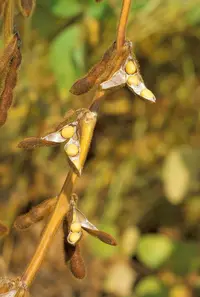
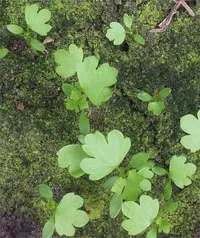
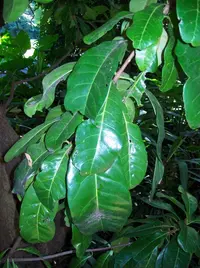
Sicklefruit fenugreek (Trigonella foenum-graecum) is an annual herb in the pea family, grown for its aromatic seeds and tender leaves. It forms a low, branching plant with small trifoliate leaves and pale yellow to cream flowers that develop into curved, sickle-shaped pods.

This species is native to the Mediterranean region and western Asia but is now cultivated in many temperate and warm climates. It is generally considered easy to grow, as it tolerates a range of soils, fixes nitrogen in the soil, and has a relatively fast life cycle.

Plants prefer full sun, moderately fertile, well-drained soil, and steady but not excessive moisture. Understanding how to care for sicklefruit fenugreek helps ensure healthy growth and good seed production.

Main Plant Requirements

Care Difficulty

Easy Care

Light Preference

Full Sun

Water Requirements

Moderate Water

Temperature Preference

Cool Climate

Hardiness Zone

6–9

Soil Texture

Sandy, Loamy, Organic-rich

Soil pH

Acidic (5.5–6.5), Slightly acidic (6.5–7.0)

Soil Drainage

Well-drained

Fertilization

Light (every 4–6 weeks)

Get Personalized Care Plan

Scan your plant to receive care tips personalized for your specific plant

Available on iOS and Android

How to Care for the sicklefruit fenugreek

Trigonella foenum-graecum thrives in bright, direct sun for strong growth and flavorful leaves.

  • Provide 6–8 hours of direct sun daily; full sun is ideal, especially in spring and early summer for compact, productive plants.
  • Allow light afternoon shade in very hot climates; sicklefruit fenugreek can scorch or wilt if exposed to intense sun above 90°F (32°C) without sufficient soil moisture.
  • In shorter autumn days, choose the sunniest, south-facing spot available so plants get at least 4–5 hours of unshaded midday light.

Trigonella foenum-graecum prefers evenly moist, well-drained soil and is sensitive to both drought and waterlogging.

  • Water when the top 2–3 cm of soil feels dry, soaking the root zone, then let excess drain completely to avoid standing water.
  • In hot, windy weather, expect faster drying and check soil daily; in cool or cloudy conditions, extend the interval between waterings.
  • Signs of overwatering include yellowing, soft stems, and a sour smell from the soil; dry, brittle leaves and slow growth indicate underwatering.

This herb prefers mild, stable temperatures and does best when protected from both frost and extreme heat.

  • Aim for 60–77°F (16–25°C) during active growth; within this range plants germinate well and develop sturdy stems and leaves.
  • Protect from frost, as damage occurs near 32°F (0°C); sow or plant outdoors only once night temperatures stay reliably above 45–50°F (7–10°C).
  • In heat above 86–90°F (30–32°C), growth can slow and flowering may accelerate; provide afternoon shade and consistent soil moisture in hot summers.

This herb tolerates a wide humidity range and usually does not need special humidity management.

  • Target 30–60% humidity, which matches most heated and air‑conditioned homes.
  • Dry indoor air is usually acceptable, but prolonged levels under 25% can slow growth of sicklefruit fenugreek.
  • Curling leaves, crisp edges, and stalled new growth may signal low humidity; group pots or place trays with water and pebbles nearby if needed.

This species prefers light, well‑aerated soil that drains quickly but does not dry out instantly.

  • Use a loose loam or sandy loam enriched with 20–30% mature compost for nutrients and structure.
  • Ensure fast drainage by adding coarse sand or perlite at 20–40% of the mix to prevent waterlogging.
  • Aim for a slightly acidic to neutral pH of 6.0–7.5, avoiding strongly acidic or alkaline substrates.
  • Break up compaction before sowing Trigonella foenum-graecum, and avoid heavy clay or peat‑only mixes that stay wet and exclude air.

This annual herb grows reliably in containers when depth and drainage are managed carefully.

  • Choose a pot at least 15–20 cm deep so the taproot can develop without bending sharply.
  • Select a wider container to allow dense sowing while still leaving space for air movement between plants.
  • Use a slightly porous material such as unglazed clay if outdoor rainfall is frequent, to help excess moisture evaporate faster.

This annual herb needs only light feeding in reasonably fertile soil, especially when caring for sicklefruit fenugreek in pots or poor ground.

  • Use a balanced liquid fertilizer (for example 10-10-10) at 1/4–1/2 strength for container plants during active growth.
  • Feed every 3–4 weeks in spring and summer if foliage looks pale or growth is weak.
  • In garden beds, incorporate compost into the top 5–10 cm of soil before sowing instead of repeated feeding.
  • Stop fertilizing in late summer; no feeding is needed in winter or after plants finish their life cycle.

Trigonella foenum-graecum needs only light pruning to keep plants compact and productive.

  • Pinch soft shoot tips with clean fingers or scissors once plants reach 10–15 cm to encourage bushier growth.
  • Cut back leggy, crowded stems to just above a leaf node to improve air flow and light penetration.
  • Remove any yellowing, diseased, or storm-damaged stems immediately to limit disease spread.
  • Use clean, sharp scissors or small snips and avoid cutting more than 1/3 of the foliage at one time.

Fenugreek is usually grown as a short-lived annual, so focus on careful transplanting rather than frequent repotting.

  • Sow seeds directly where plants will grow, or transplant very young seedlings before roots tangle or circle the container.
  • If container plants show slow growth, yellowing, or roots emerging from drainage holes, move them to a slightly larger pot.
  • Transplant in spring once frost has passed, using a free-draining mix and minimal disturbance to the root ball.
  • Water thoroughly after transplanting and shade lightly for 1–2 days to reduce transplant shock.

This species is most commonly raised from seed, which germinates quickly under warm, moist conditions.

  • Sow Trigonella foenum-graecum seeds in spring once temperatures are consistently above 60°F.
  • Use shallow trays or the final bed, placing seeds 1–2 cm deep in loose, free-draining soil.
  • Keep the substrate evenly moist, not waterlogged, until germination in about 3–7 days.
  • Provide full sun and thin seedlings to prevent overcrowding, leaving 10–15 cm between plants.

Fenugreek is a frost-sensitive annual that usually completes its life cycle before winter, so long-term winter care is minimal.

  • In cold climates, sow after the last frost so plants mature before freezing conditions arrive.
  • Container plants can be moved indoors to a bright, cool spot to extend harvest slightly into fall.
  • In mild climates, a light mulch can moderate soil temperature for late-season plantings, but plants still die back with hard frost.

Care Tips

Sequential sowing

Sow small batches every 2–3 weeks during the warm season so that older plants can be harvested heavily while younger ones replace them, giving a continuous supply of usable shoots and leaves.

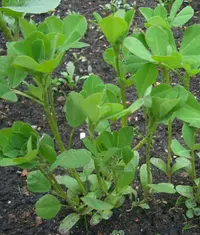
Low, bushy growth

Pinch the main stem when plants reach 8–10 cm to encourage branching, which increases total leaf yield and keeps plants compact enough for dense tray or container production.

Clean harvest technique

Harvest by cutting the top third of the plant with clean scissors above a node, which reduces stem damage, lowers disease risk, and often allows a second, lighter flush of growth.

Seed treatment check

Before sowing, discard any seeds that float after 10–15 minutes in water, since these are often poorly filled and have low germination, improving stand uniformity from the start.

Targeted pest scouting

Inspect the underside of leaves and young pods at least twice a week for aphids and leaf miners, and remove or treat affected shoots early, since pests spread quickly in dense stands when growing sicklefruit fenugreek.

Common Pests and Diseases

Powdery mildew

This disease causes white, powdery fungal growth on leaves, stems, and pods, often under warm, dry conditions with high humidity around the canopy.

Solution

Remove heavily infected leaves, avoid overhead watering, and improve spacing and airflow around plants; if needed, apply a sulfur or potassium bicarbonate fungicide labeled for edible legumes, following label rates carefully.

Downy mildew

This disease leads to yellow to pale-green angular spots on upper leaf surfaces with grayish to purplish downy growth underneath, especially in cool, moist weather.

Solution

Remove and destroy affected foliage, water at soil level in the morning, and improve drainage and air movement; in prolonged wet periods, use a copper-based fungicide suitable for herbs to protect new growth.

Stem and root rot complex

This disease complex, often caused by soilborne fungi such as Rhizoctonia and Fusarium, produces damping-off in seedlings, brown stem lesions at the soil line, and gradual yellowing and collapse of older plants.

Solution

Use well-drained soil or raised beds, avoid overwatering and overcrowding, and rotate the planting area for at least 3–4 years; discard severely affected plants and consider starting seeds in clean pots or trays with sterile mix for better Trigonella foenum-graecum care instructions in problem soils.

Aphids

These insects cluster on young shoots and flower stalks, sucking sap and causing curling leaves, sticky honeydew, and sometimes sooty mold growth on surfaces.

Solution

Dislodge colonies with a firm stream of water, encourage natural predators such as lady beetles, and, if populations persist, use insecticidal soap or neem oil, coating the undersides of leaves and tender growth thoroughly.

Cutworms

This pest consists of soil-dwelling caterpillars that chew through seedlings at the soil surface, leaving severed young plants that wilt and die quickly.

Solution

Hand-pick cutworms at dusk or after dark, place protective collars around young seedlings, keep plant debris and weeds down around beds, and cultivate the top 2–3 cm of soil before planting to expose larvae to predators and drying.

Interesting Facts

Distinct maple syrup aroma

When fried or dry-roasted, the seeds develop a characteristic maple syrup‑like aroma due to lactones such as sotolon, which is why food manufacturers sometimes use fenugreek extracts in artificial maple flavoring.

Self‑fertile legume flower

The pale yellow, pea‑like flowers are adapted for self‑pollination but can also be visited by bees, allowing the plant to set seed reliably even in relatively poor pollinator conditions.

Nitrogen‑fixing annual herb

As a legume, this annual herb forms symbioses with Rhizobium bacteria in root nodules, which convert atmospheric nitrogen into forms the plant can use and can modestly enrich the soil for subsequent crops.

Botan icon

Did you know?

Archaeobotanical evidence shows that seeds of this species were present in ancient Egyptian tombs and were also recorded in classical Greek and Roman texts, indicating continuous culinary and cultural use for over 3,000 years.

FAQs about sicklefruit fenugreek

Yes, both leaves and seeds are edible. Leaves are used fresh or dried as a leafy herb, while seeds are used whole or ground as a spice. Always harvest from plants not treated with systemic pesticides.

Grow Healthy Plants with Botan Care

Keep your plants happy and healthy with plant identification, disease detection, and easy care guidance.

Botan plant care app — identify plants on mobile

Explore More Plants