Regular renewal cutting
Every 2–3 years, cut back a portion of the oldest, woodiest stems to near ground level after flowering to keep plants compact and stimulate fresh, vigorous shoots.

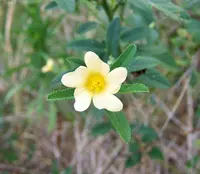
Cuban jute, Sida rhombifolia, is a small, shrubby perennial in the mallow family. It often behaves as a weed in warm and subtropical regions. Plants form many slender, woody stems with small, rhombus-shaped leaves and pale yellow flowers that appear along the stems, giving a fine, somewhat airy look. In the ground it can spread and self-seed easily. This species is native to tropical and subtropical areas worldwide, including parts of the Americas, Africa, and Asia. It tolerates heat, poor soils, and short dry periods, which makes it generally easy to grow but sometimes invasive outdoors. Those who want to care for Cuban jute should provide sun, well-drained soil, and moderate moisture.

Care Difficulty
Easy Care

Light Preference
Full Sun

Water Requirements
Moderate Water

Temperature Preference
Tropical / Frost Sensitive

Hardiness Zone
9–12

Soil Texture
Sandy, Loamy, Clay

Soil pH
Slightly acidic (6.5–7.0), Neutral (7.0)

Soil Drainage
Well-drained

Fertilization
Minimal (feed rarely)
Scan your plant to receive care tips personalized for your specific plant
Available on iOS and Android
Sida rhombifolia prefers bright, direct sun but adapts to a range of outdoor light conditions.
Sida rhombifolia is drought-tolerant and prefers infrequent, deeper watering once established.
This species thrives in warm climates and handles heat better than cold conditions.
This species handles a wide humidity range and usually does not need special humidity management indoors or outdoors.
This plant thrives in light, well‑drained mineral soils and tolerates relatively poor conditions if drainage is reliable.
This species is suitable for container growing when provided with a stable, free‑draining setup.
Sida rhombifolia is a tough species that grows acceptably in poor soils but responds to light feeding in containers or managed beds.
Sida rhombifolia benefits from selective pruning to manage size, encourage bushiness, and remove weak growth.
This species is more often grown in the ground, but container plants or unwanted clumps may need occasional transplanting.
This plant is typically propagated by seed but can also be increased by softwood cuttings in warm conditions.
This warm-region species has low frost tolerance and may die back or be killed in freezing conditions.

Plant Health Check
Not sure what's wrong with your plant? Check your plant's health inside the app.
This plant is a common pioneer species in disturbed tropical and subtropical sites, quickly colonizing roadsides, overgrazed pastures, and crop margins where soils are compacted or poor.
Its small, hard seeds can remain dormant in the soil seed bank for years, germinating when light and moisture conditions improve after disturbance or tillage.
The leaves serve as food for caterpillars of several butterfly and moth species, making it an ecologically relevant wild host plant in many warm regions.

Sida rhombifolia is considered a problematic invasive weed in many agricultural systems worldwide, where its deep root system, persistent seed bank, and tolerance of repeated cutting make it difficult to eradicate once established.
This species self-seeds freely and can spread quickly, especially in disturbed or open ground. In warm regions it may behave weedy. Regular removal of seedlings and cutting back flowering stems helps keep it contained in gardens.
Keep your plants happy and healthy with plant identification, disease detection, and easy care guidance.