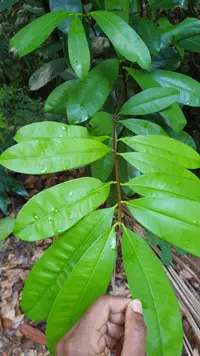
coast beard-heath Care (Leucopogon parviflorus)

Also known as: coastal beard-heath
coast beard-heath

About coast beard-heath

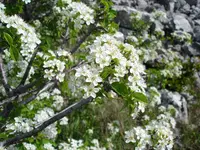
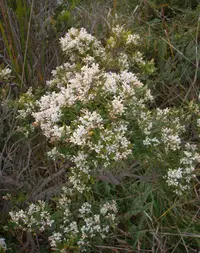
Coast beard-heath, Leucopogon parviflorus, is an evergreen coastal shrub or small tree, native to seaside cliffs and dunes in southern Australia and Tasmania. It often forms dense, wind-shaped thickets with small, tough leaves and clusters of tiny white, tubular flowers followed by pale berries.

This species is adapted to salty winds, sandy or rocky soils, and low fertility, which makes it resilient in harsh coastal gardens but slower to establish inland. Gardeners who want to care for coast beard-heath should provide sun, good drainage, and protection from extreme frost to keep it healthy.

Main Plant Requirements

Care Difficulty

Moderate Care

Light Preference

Full Sun

Water Requirements

Low Water

Temperature Preference

Warm Climate

Hardiness Zone

9–11

Soil Texture

Sandy, Loamy, Rocky

Soil pH

Strongly acidic (4.5–5.5), Acidic (5.5–6.5)

Soil Drainage

Well-drained

Fertilization

Minimal (feed rarely)

Get Personalized Care Plan

Scan your plant to receive care tips personalized for your specific plant

Available on iOS and Android

How to Care for the coast beard-heath

This coastal shrub prefers bright conditions and handles exposed sites once established.

  • Provide 6–8 hours of sun daily, ideally with morning sun and light afternoon shade, especially in hotter inland areas.
  • Tolerates light to partial shade (around 3–4 hours of direct sun), but flowering and fruiting in coast beard-heath are best in more open, sunny positions.
  • In summer, protect young plants from harsh mid‑afternoon sun to prevent leaf scorch, and avoid deep shade, which leads to lanky, weak growth.

This species prefers free-draining soil and moderate moisture rather than constant wetness.

  • Water when the top 3–5 cm of soil feels dry, then soak the root zone thoroughly and allow excess to drain away.
  • Reduce watering in cool or rainy seasons, increasing only during hot, dry periods or strong winds that dry the soil faster.
  • Leucopogon parviflorus dislikes waterlogged conditions; yellowing, soft leaves suggest overwatering, while drooping, crisp leaf edges indicate the plant is too dry.

This plant is adapted to mild coastal climates but tolerates a reasonable range of outdoor conditions.

  • Optimal growth occurs around 60–75°F (16–24°C), with steady conditions supporting stronger root and shoot development.
  • Mature plants usually handle brief drops to about 25°F (−4°C), but young plants are more frost‑tender and benefit from shelter or light frost protection.
  • Tolerates dry heat up to about 90–95°F (32–35°C) if soil is not bone dry; prolonged hard frost or freeze–thaw cycles can damage foliage and stems.

Humidity is not a critical factor for this coastal shrub when grown in typical household or outdoor conditions, so standard ambient air is usually sufficient and no special adjustments are required.

Leucopogon parviflorus prefers light, fast-draining soil that mimics coastal banks or sandy scrub habitats.

  • Use a sandy or sandy-loam mix with 30–50% coarse washed sand or fine grit to prevent waterlogging.
  • Incorporate 10–20% fine bark or very well-rotted compost for structure without creating a heavy, soggy substrate.
  • Aim for slightly acidic to neutral pH around 6.0–7.0, avoiding strongly alkaline or strongly acidic conditions.
  • Avoid dense clay or peat-heavy mixes; lighten existing soil with coarse sand and perlite to improve aeration and drainage.

This species can be grown in containers if drainage and stability are managed carefully.

  • Choose a deep, heavy pot to anchor the shrub against wind and support its woody root system outdoors.
  • Use a sharply draining mix and raise the container on pot feet so water clears quickly from the drainage holes.
  • Select light-colored containers in hot climates to reduce root-zone overheating and moisture loss fluctuations.

This coastal shrub is adapted to low-nutrient soils, so Leucopogon parviflorus needs only light, infrequent feeding in cultivation.

  • Use a low-phosphorus, slow-release native-plant fertilizer or well-aged compost, avoiding high P formulations that can harm roots.
  • Feed lightly once in early spring and, in mild climates, again in late summer if growth is weak.
  • Dilute any liquid feed to 25–50% strength and apply to moist soil to reduce root burn risk.
  • Stop feeding in fall and winter, when growth slows, to avoid soft, frost-prone new shoots.

Pruning Leucopogon parviflorus is mainly about light shaping and health rather than hard renovation.

  • Carry out light pruning after flowering, trimming soft tips to maintain a compact, bushy form.
  • Remove dead, diseased, or storm-damaged stems at their base using clean, sharp bypass pruners.
  • Thin congested interior shoots selectively to improve air flow and light penetration.
  • Avoid cutting into very old, bare wood, as regrowth from these sections is often poor.

This species is usually grown in the ground, so focus on thoughtful transplanting and only occasional container up-potting.

  • Transplant or upsize containers in late winter to early spring, before strong new growth begins.
  • Look for circling roots, water running off quickly, or slowed growth as signs a potted plant needs a larger container.
  • Move into a pot only 1–2 sizes larger, using a sandy, free-draining mix to limit waterlogging stress.
  • Handle the root ball gently, loosening only the outer roots, then water thoroughly and shade for several days to aid recovery.

Leucopogon parviflorus is usually propagated by semi-hardwood cuttings or seeds, both requiring patience and close attention to conditions.

  • Take semi-hardwood tip cuttings in late summer, use a rooting hormone, and place in a very free-draining, sandy mix.
  • Maintain bright, indirect light, high humidity, and gentle bottom warmth around 68–72°F to encourage rooting.
  • Sow cleaned seeds in a native-style, low-phosphorus mix; some growers use smoke water or light scarification to improve germination.
  • Keep seed trays just moist and in a sheltered, bright position; germination may be slow and uneven.

Mature coast beard-heath is moderately frost tolerant but benefits from simple winter precautions in colder areas.

  • In regions with freezes below about 23°F, apply a 5–8 cm mulch layer around the root zone, keeping it slightly away from stems.
  • For young shrubs, use frost cloth or a breathable cover on predicted freezing nights to limit tissue damage.
  • Move container plants to a sheltered porch, unheated greenhouse, or bright indoor spot during hard frosts, ensuring good drainage.

Care Tips

Salt spray hardening

If planting near the coast, gradually expose young plants to increasing wind and salt spray over 2–3 weeks by first sheltering them behind a windbreak and then slowly reducing protection to toughen foliage and stems.

Low-input hedging

For a dense, wildlife-friendly hedge, plant staggered double rows at 60–80 cm spacing, tip-prune lightly after each flush of growth, and leave some interior branches uncut to support nesting small birds.

Targeted renewal pruning

Every 2–3 years, remove 1–3 of the oldest, woody stems at the base rather than shearing the whole shrub, which encourages new basal shoots and maintains a natural shape without stressing the plant.

Mycorrhiza-friendly care

Avoid phosphorus-rich fertilizers and deep soil disturbance around the root zone so that the plant’s beneficial mycorrhizal fungi remain intact, improving nutrient uptake and resilience in poor sandy soils.

Erosion control planting

On sandy banks or dunes, plant on slight mounds, use 5–7 cm of coarse mulch between plants (kept clear of the stems), and interplant with other deep-rooted natives to stabilize soil while growing coast beard-heath as a structural anchor species.

Common Pests and Diseases

Scale insects

This pest feeds on stems and leaves, causing yellowing, leaf drop, and general decline, especially in stressed or coastal plantings. These insects often appear as small, dome-shaped bumps that exude sticky honeydew, which can lead to sooty mould growth.

Solution

Prune and discard heavily infested stems, then wash remaining foliage and branches with a firm stream of water and a mild insecticidal soap, repeating every 7–10 days until new growth appears clean. Improve plant vigor with appropriate watering and avoid excessive nitrogen fertiliser, since soft new growth is more vulnerable to scale attack.

Myrtle rust

This disease is caused by the fungus Austropuccinia psidii and produces bright yellow powdery pustules on young leaves, stems, and flower buds. Symptoms include distortion, dieback of new shoots, and in severe cases defoliation of susceptible Leucopogon parviflorus plants.

Solution

Remove and bag affected shoots as soon as symptoms appear, avoiding shaking spores onto healthy foliage, and dispose of prunings in household waste rather than compost. In areas where myrtle rust is established, minimize overhead watering, maintain good airflow, and consider using a registered systemic fungicide for Myrtaceae if valuable specimens or conservation plantings are at risk, following local regulations and label directions.

Grey mould (Botrytis)

This disease thrives in cool, humid conditions and affects dense or poorly ventilated shrubs, especially in shade or during prolonged wet weather. Symptoms include browning and collapse of flowers and young shoots, with a grey, fuzzy fungal growth on affected tissue.

Solution

Remove all infected flowers and stems promptly and thin out congested growth to increase airflow through the shrub canopy. Avoid wetting foliage when watering, improve drainage around the root zone, and in persistent cases use a suitable Botrytis-targeted fungicide as a short-term support while cultural conditions are corrected.

Leaf spot

This disease causes small dark or tan spots on older foliage that may merge into larger blotches, sometimes with a yellow halo. Symptoms include premature leaf drop and a generally thinned canopy when infection is heavy or plants are under stress.

Solution

Collect and dispose of fallen leaves, prune out heavily affected branches, and space plants to improve air movement and faster leaf drying. Reduce overhead irrigation, water at soil level, and if severe, apply a broad-spectrum fungicide labeled for ornamental shrubs during wet periods to protect new foliage.

Galls from scale or psyllids

These insects can trigger swollen, distorted stems or small galls along young branches and leaves, particularly on coastal plants exposed to stress. This pest disrupts normal growth, which can reduce flowering and weaken younger Leucopogon parviflorus plants over time.

Solution

Prune out and dispose of galled shoots to physically remove the insects and stimulate clean regrowth, disinfecting tools between plants. Encourage natural predators by avoiding broad-spectrum insecticides, and on light infestations use horticultural oil or insecticidal soap to smother nymphs on new growth while monitoring regularly for reinfestation.

Interesting Facts

Coastal dune stabilizer

This shrub naturally colonizes sandy foredunes around southern Australia, where its deep, fibrous root system helps bind loose sand and reduce coastal erosion.

Important seabird food

The pale, fleshy berries are a key seasonal food for several coastal birds, including silver gulls and some shearwaters, which disperse the seeds after digestion.

Salt and wind tolerant

Mature plants tolerate salt spray and strong onshore winds, allowing them to form dense, wind-pruned thickets in exposed shoreline habitats where few woody species survive.

Botan icon

Did you know?

Genetic studies of coastal shrub communities have used this species as a marker to track how plant populations move and reconnect along shorelines after major disturbances such as storms and dune reshaping.

FAQs about coast beard-heath

Lack of flowering often relates to insufficient light, pruning at the wrong time, or nutrient imbalance. Avoid heavy pruning after bud formation, use low-phosphorus native plant fertilizer, and ensure several months of cool, bright outdoor conditions.

Grow Healthy Plants with Botan Care

Keep your plants happy and healthy with plant identification, disease detection, and easy care guidance.

Botan plant care app — identify plants on mobile

Explore More Plants