New Zealand Broadleaf Care (Griselinia littoralis)

Also known as: Kapuka, Broadleaf
New Zealand Broadleaf

About New Zealand Broadleaf

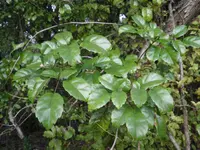
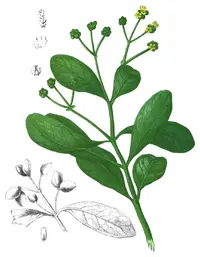
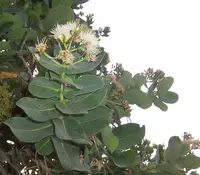
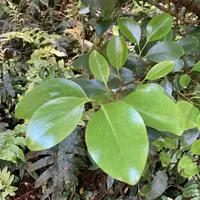
New Zealand broadleaf (Griselinia littoralis) is an evergreen shrub or small tree valued for its dense, glossy green foliage and neat, upright habit. It is often used for hedging, privacy screens, and coastal planting because it tolerates salt-laden winds and exposed sites.

This species is native to New Zealand, where it grows in coastal forests and scrub. Its thick, leathery leaves, strong branching, and good wind resistance make it a reliable structural plant in mild climates.

Griselinia littoralis prefers moderately fertile, well-drained soil with regular moisture and does best in full sun to light shade. These traits make it relatively simple to care for New Zealand Broadleaf in suitable outdoor conditions.

Main Plant Requirements

Care Difficulty

Easy Care

Light Preference

Partial Sun

Water Requirements

Moderate Water

Temperature Preference

Warm Climate

Hardiness Zone

8–10

Soil Texture

Sandy, Loamy, Clay

Soil pH

Slightly acidic (6.5–7.0), Slightly alkaline (7.0–7.5)

Soil Drainage

Moist but well-drained

Fertilization

Minimal (feed rarely)

Get Personalized Care Plan

Scan your plant to receive care tips personalized for your specific plant

Available on iOS and Android

How to Care for the New Zealand Broadleaf

This coastal evergreen shrub prefers consistent, moderate light to maintain dense, glossy foliage.

  • Provide 4–6 hours of direct morning sun with light or dappled shade in the afternoon, especially in hotter inland areas.
  • Tolerates partial shade (bright shade or 2–3 hours of sun) but growth becomes looser and color less vibrant if light is too low.
  • In hotter summers, protect New Zealand Broadleaf from intense afternoon sun to reduce leaf scorch, especially in exposed, reflective sites.

This shrub prefers evenly moist but not saturated soil, supported by good drainage.

  • Allow the top 3–5 cm of soil to dry before deep watering, ensuring water penetrates the root zone rather than frequent shallow watering.
  • In the first 1–2 growing seasons, watch for wilting or dull, curling leaves as signs of underwatering, especially in sandy or windy coastal sites.
  • Reduce watering frequency in cool, wet seasons and watch for yellowing leaves, dieback, or persistent soggy soil as indicators of overwatering in Griselinia littoralis.

This species is adapted to mild, maritime climates with cool summers and frost tolerance.

  • Ideal growth occurs around 50–70°F (10–21°C), with steady conditions supporting dense foliage and strong root development.
  • Mature plants typically tolerate brief drops to about 15–20°F (-9 to -6°C), though young shrubs are more vulnerable and benefit from some shelter.
  • In hotter districts, prolonged periods above 85°F (29°C) can stress plants; provide mulch and some afternoon shade, and avoid planting in heat-reflective spots.

This coastal shrub handles a wide humidity range and rarely needs special humidity control.

  • Target 40–60% humidity, which suits typical indoor and outdoor conditions in most homes and gardens.
  • New Zealand Broadleaf tolerates drier air if soil moisture is consistent and roots are not allowed to dry completely.
  • Watch for crispy leaf edges or slow new growth as signs of combined low humidity and underwatering, then correct mainly by adjusting watering rather than misting.

Griselinia littoralis prefers structured, free-draining soil that holds some moisture but never stays waterlogged.

  • Use a loamy mix with 40–60% garden soil or peat-free compost, 20–30% coarse sand, and 20–30% fine bark or perlite for structure and aeration.
  • Aim for mildly acidic to neutral pH, roughly 6.0–7.5, avoiding strongly alkaline soils that can reduce nutrient availability.
  • Ensure fast drainage by raising beds or planting on a slight mound where heavy clay is present, so excess water moves away from the root zone.
  • Avoid compacted, sticky clay or dense, peat-heavy mixes that stay wet for more than 1–2 days after thorough watering.

This species is suitable for container growing, especially on patios and balconies.

  • Select a heavy, wide-based container to prevent wind rock, as the evergreen foliage can make the plant top-heavy.
  • Choose thicker-walled terracotta or concrete pots in hot climates to buffer root temperature and slow rapid moisture swings.
  • Elevate the pot on feet so drainage holes stay clear and runoff moves away quickly, reducing root rot risk.

Griselinia littoralis benefits from light, steady feeding rather than heavy fertilization.

  • Apply a balanced slow-release fertilizer (around 10-10-10) once in early spring to support new growth.
  • In poor soils, add a thin layer of compost over the root zone in spring, keeping it away from the trunk.
  • During the growing season, use a half-strength balanced liquid feed every 4–6 weeks for container plants only.
  • Stop feeding in late summer to allow growth to harden before winter and avoid soft, frost-prone shoots.

Pruning Griselinia littoralis helps maintain dense structure and healthy foliage.

  • Carry out main pruning in late winter to early spring before active growth starts.
  • Remove dead, diseased, crossing, or inward-growing branches to improve airflow and light penetration.
  • Use clean, sharp hand pruners or loppers, making cuts just above a leaf node or side branch.
  • Lightly trim hedge faces through summer to keep an even outline without cutting back to bare wood.

Griselinia littoralis is usually grown in the ground, with transplanting more common than repotting.

  • Transplant in early spring or early fall when temperatures are mild and soil is workable.
  • Look for signs such as slow growth, roots circling the container, or becoming pot-bound before moving container plants up 1 pot size.
  • Water thoroughly the day before moving, handle the root ball gently, and avoid breaking large roots to limit stress.
  • After transplanting, water deeply, apply 5–8 cm of mulch around (not against) the stem, and shade temporarily in hot, windy weather.

Griselinia littoralis is most commonly propagated from semi-ripe cuttings taken in the warmer months.

  • Take 7–10 cm semi-ripe stem cuttings in late summer, choosing non-flowering shoots.
  • Remove lower leaves, dip the base in rooting hormone, and insert into a free-draining mix such as 50:50 perlite and peat-free compost.
  • Maintain high humidity and gentle bottom warmth around 68–72°F with bright, indirect light to encourage rooting.
  • Seeds can be sown fresh in autumn in a cool frame, though they germinate slowly and less reliably than cuttings.

New Zealand Broadleaf is fairly cold hardy in mild climates but benefits from some winter protection in colder areas.

  • Tolerates light frosts but can suffer leaf scorch and dieback in prolonged freezes below about 15–20°F.
  • Apply 5–8 cm of organic mulch over the root zone in late fall to insulate soil and reduce freeze–thaw stress.
  • Wrap young plants or exposed hedges with breathable fleece during severe cold snaps and drying winds.
  • Move container-grown plants into a sheltered, frost-free spot such as an unheated garage or porch during coldest periods.

Care Tips

Windbreak establishment

In exposed sites, use temporary windbreak mesh or plant hardy nurse shrubs on the prevailing-wind side for the first 2–3 years to reduce leaf scorch and help the young hedge establish evenly.

Salt-spray management

After coastal storms, hose foliage with fresh water in the morning to rinse off salt deposits, which helps prevent marginal leaf burn and maintains healthy new growth.

Hedge density training

For dense privacy hedges, tip-prune the outer 2–5 cm of new shoots several times in the growing season rather than cutting back hard once, which encourages many short side branches and a thicker screen.

Root-zone protection

Maintain a 30–60 cm vegetation-free strip under the canopy and cover it with 5–8 cm of organic mulch to protect surface roots, conserve moisture, and reduce competition from turf.

Winter container care

For plants grown in large containers, raise pots on feet, move them out of cold drying winds, and check drainage holes before winter to reduce waterlogging and root damage during freezing conditions while caring for New Zealand Broadleaf.

Common Pests and Diseases

Scale insects

This pest attaches to stems and leaf undersides, sucking sap and causing yellowing, leaf drop, and sooty mold on New Zealand broadleaf foliage. Infestations often appear as small brown or beige bumps along young stems and at leaf nodes.

Solution

Prune and discard heavily infested shoots, then wipe remaining scale off stems and leaves with a cloth or soft brush dipped in horticultural soap solution or diluted isopropyl alcohol. For persistent problems, apply a horticultural oil spray labeled for ornamental shrubs, ensuring thorough coverage, and repeat as directed while monitoring for reinfestation as part of ongoing Griselinia littoralis care.

Leaf spot

This disease causes small tan, brown, or dark purple spots on leaves that may enlarge, merge, and cause premature leaf drop, especially in dense, damp plantings. Symptoms include more severe spotting on lower, shaded foliage where moisture lingers.

Solution

Remove and dispose of heavily spotted leaves and any fallen debris around the base to reduce pathogen spread, then improve air circulation by thinning crowded branches. Avoid overhead watering, and if needed use a copper- or chlorothalonil-based fungicide labeled for ornamental shrubs, applying during extended wet periods according to label directions.

Phytophthora collar rot

This disease attacks the stem base and roots, leading to sudden wilting, yellowing, and dieback, often on plants in poorly drained or waterlogged soil. Symptoms include dark, sunken lesions at the soil line and poor new growth despite adequate watering.

Solution

Dig out and discard severely affected plants, including as much of the root system as possible, and avoid replanting Griselinia in that exact spot without improving drainage. For valuable plantings, raise beds, correct waterlogging, and consider preventative drenches with a phosphite-based product labeled for Phytophthora on ornamental shrubs, following all safety and timing instructions.

Spider mites

These insects are tiny sap feeders that cause fine speckling, dullness, and bronzing of leaves, often during hot, dry weather or on plants against warm walls. This pest may leave fine webbing between leaves and stems on heavily infested New Zealand broadleaf hedges.

Solution

Wash foliage thoroughly with a strong but gentle stream of water, including undersides of leaves, and repeat weekly to knock down populations. For ongoing infestations, use insecticidal soap or horticultural oil labeled for mites, applied in cooler parts of the day, and reduce stress by regular watering during dry spells without keeping soil constantly wet.

Sooty mold

This disease appears as a black, powdery or velvety coating on leaves and stems, growing on the sticky honeydew excreted by sap-sucking insects such as scale or aphids. Symptoms include dulled leaf color and reduced photosynthesis, but the fungus itself does not invade plant tissue.

Solution

First control the underlying honeydew-producing insects using targeted measures such as pruning, washing foliage, and applying horticultural oil or insecticidal soap if needed. Once insect levels are reduced, gently wipe or hose off affected leaves, and improve air circulation and light exposure to help new, clean foliage develop.

Interesting Facts

Coastal wind specialist

This evergreen shrub naturally forms dense, flexible foliage that tolerates strong coastal winds and salt-laden spray, allowing it to thrive on exposed New Zealand shorelines where many other woody plants fail.

Fleshy, bird-dispersed fruit

It produces small, fleshy drupes that are eaten by birds, which then disperse the seeds in their droppings, helping the species colonize new coastal and lowland habitats.

Naturally variable form

In the wild it can grow as a multi-stemmed shrub or a small tree, and its growth habit and leaf size shift noticeably with exposure, soil depth, and proximity to the coast.

Botan icon

Did you know?

In its native range, this species often forms part of the first woody vegetation behind dune systems, acting as a living windbreak that stabilizes the microclimate and helps more sensitive forest species establish over time.

FAQs about New Zealand Broadleaf

Growth is moderate. In suitable garden conditions it usually adds about 20–40 cm per year, sometimes more in mild coastal climates. In containers or exposed, dry, or nutrient-poor sites, annual growth is noticeably slower.

Grow Healthy Plants with Botan Care

Keep your plants happy and healthy with plant identification, disease detection, and easy care guidance.


Botan plant care app — identify plants on mobile

Explore More Plants