Encourage Bushier Shape
Pinch out the soft stem tips when plants are 15–20 cm tall to encourage branching, which results in more flowering stems and a fuller display when growing rosy palafox.

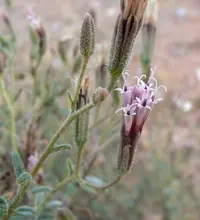
Rosy palafox (Palafoxia rosea) is a warm-season annual wildflower in the aster family, valued for its airy, pink, daisy-like flower clusters. Plants typically form slender, branching stems with narrow leaves and a light, open habit that suits naturalistic or prairie-style plantings.
This species is native to dry, open areas of the south-central United States and northern Mexico, where it often grows in sandy or gravelly soils. Its drought tolerance and low fertility needs make it relatively easy to establish in well-drained sites.
Because it thrives in sun, heat, and lean soil, gardeners who care for rosy palafox usually find it low-maintenance once established, provided the site does not stay wet for long periods.

Care Difficulty
Easy Care

Light Preference
Full Sun

Water Requirements
Low Water

Temperature Preference
Warm Climate

Hardiness Zone
7–10

Soil Texture
Sandy, Loamy, Rocky

Soil pH
Slightly acidic (6.5–7.0), Neutral (7.0)

Soil Drainage
Well-drained

Fertilization
Minimal (feed rarely)
Scan your plant to receive care tips personalized for your specific plant
Available on iOS and Android
This sun-loving prairie annual thrives in bright, open sites with long daily exposure.
This species prefers dry to moderately dry conditions and is sensitive to excess moisture.
This warm-season annual prefers hot, dry conditions typical of arid and semi-arid regions.
Humidity is not a significant factor for Palafoxia rosea, which thrives in dry air.
Palafoxia rosea prefers lean, well-drained, sandy soil that mimics dry, open habitats.
This species can grow in containers if the pot is set up to drain quickly and stay relatively dry.
This drought-tolerant wildflower generally needs minimal feeding in average soil.
Pruning Palafoxia rosea is mainly about keeping plants tidy and encouraging more blooms.
This species is more often grown in-ground, but young container plants or nursery starts may need careful transplanting.
Propagation of this annual or short-lived perennial is most reliable from seed.
In mild climates this species usually needs little specific winter care.

Plant Health Check
Not sure what's wrong with your plant? Check your plant's health inside the app.
This annual wildflower is native to sandy and calcareous prairies and open rangelands of Texas and northern Mexico, where it naturally forms loose, airy stands among warm-season grasses.
Although each flower head looks like a classic daisy, the showy pink parts are actually sterile ray florets surrounding a tight cluster of fertile disk florets, a typical but well-expressed pattern in the Asteraceae family.
It often flowers from late summer into fall, providing nectar and pollen for native bees, small butterflies, and other pollinators when many earlier-season prairie species have already finished blooming.
Lack of flowers usually comes from too little direct sun, overly rich or waterlogged soil, or excessive nitrogen fertilizer. Ensure a sunny, open site, avoid heavy feeding, and deadhead spent blooms to encourage more buds over the season.
Keep your plants happy and healthy with plant identification, disease detection, and easy care guidance.