white alder Care (Alnus rhombifolia)

Also known as: California alder
white alder

About white alder

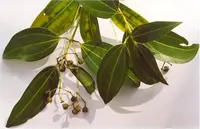
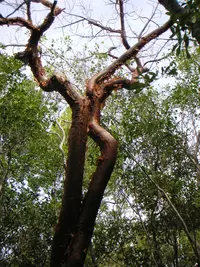
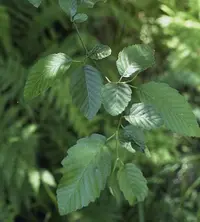
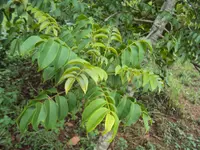
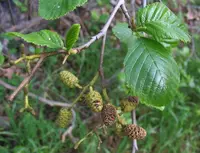
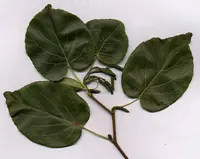
White alder, Alnus rhombifolia, is a fast-growing deciduous tree native to streambanks and moist valleys of western North America. It often forms small groves along rivers and lakes. The tree has smooth gray bark, finely serrated rhombic leaves, and small cone-like catkins that release wind-borne pollen. Its roots host nitrogen-fixing bacteria, which improve soil fertility and support rapid growth. This species tolerates seasonal flooding and prefers consistently moist, well-drained soils in full sun. For those who want to care for white alder, its vigor and adaptability make it suitable for larger gardens, restoration projects, and naturalistic landscapes where space and moisture are adequate.

Main Plant Requirements

Care Difficulty

Easy Care

Light Preference

Full Sun

Water Requirements

Keep Soil Moist

Temperature Preference

Cold Hardy

Hardiness Zone

5–9

Soil Texture

Sandy, Loamy, Silty

Soil pH

Slightly acidic (6.5–7.0), Neutral (7.0)

Soil Drainage

Waterlogged tolerant

Fertilization

Minimal (feed rarely)

Get Personalized Care Plan

Scan your plant to receive care tips personalized for your specific plant

Available on iOS and Android

How to Care for the white alder

This species prefers full sun but tolerates some light shade, especially in hotter regions.

  • Provide 6–8 hours of direct sun daily for best growth; 4–6 hours is acceptable in hotter inland sites if afternoons are shaded.
  • Plant where it receives morning sun and optional light afternoon shade to reduce leaf scorch during heat waves and drought.
  • In dense shade trees become sparse and leggy, with weaker branches and fewer catkins, so choose an open, unobstructed position when caring for white alder.

Alnus rhombifolia is naturally adapted to moist soils along streams and floodplains.

  • Aim for consistently moist soil, allowing only the top 2–5 cm to dry between natural rain events in average conditions.
  • In summer drought, check soil weekly; if the top 5–8 cm are dry and leaves begin to dull or curl, deep-soak the root zone instead of using light, frequent sprinklings.
  • Ensure soil drains freely; persistent puddling, sour odor, or yellowing leaves with dieback indicate waterlogging and risk of root decline.

This tree is hardy and copes with a wide temperature range when established.

  • Optimal growth occurs around 60–80°F (16–27°C), with vigorous shoot extension in mild spring and early summer conditions.
  • Mature trees tolerate winter lows near 10–15°F (-12–-9°C); young plants benefit from protection from hard freezes during their first 1–2 winters.
  • In hot climates, brief periods up to 95°F (35°C) are tolerated if soil moisture is maintained; extended extreme heat with drought stresses foliage and can slow growth.

This riparian species prefers moderate to high ambient humidity but is generally forgiving.

  • Aim for 40–60% humidity, which most temperate outdoor sites naturally provide near streams, ponds, or irrigated areas.
  • The tree tolerates brief drier air but prolonged hot, arid wind can desiccate foliage and scorch leaf edges on young white alder plants.
  • In exposed, dry locations, use windbreaks, group plantings, or nearby irrigation sources to slightly raise local humidity around young trees.

Alnus rhombifolia prefers consistently moist, deep, alluvial-type soils but adapts if basic structure and drainage are correct.

  • Use loamy or sandy-loam soil with high organic matter to hold moisture while still allowing air movement around roots.
  • Ensure drainage is moderate: soil should stay evenly moist but not waterlogged; avoid compacted clay that stays saturated after rain.
  • A slightly acidic to neutral pH of 6.0–7.5 supports nutrient availability and healthy nitrogen-fixing root nodules.
  • In heavy or disturbed ground, loosen the top 30–40 cm and mix in compost plus coarse sand to improve aeration and reduce standing water.

This fast-growing tree is generally unsuited to long-term container culture and is best planted in the ground once established.

Alnus rhombifolia usually needs little fertilization, especially in the ground, due to its nitrogen-fixing root nodules.

  • For young or container trees, apply a light, balanced NPK fertilizer (such as 10-10-10) at half strength in early spring.
  • Use a thin layer of compost around the drip line 1–2 times during the growing season instead of frequent synthetic feeding.
  • Avoid fertilizing in late fall or winter, when growth is naturally slow or dormant.
  • Do not overapply nitrogen near waterways, since white alder often grows in moist riparian soils.

Pruning Alnus rhombifolia is mainly done to maintain structure, safety, and clearance rather than for flowering.

  • Carry out structural pruning in late winter or very early spring, before bud break.
  • Remove dead, diseased, storm-damaged, or crossing branches with clean, sharp bypass pruners or a saw.
  • Thin crowded interior branches to improve light penetration and airflow, keeping the natural upright form.
  • Limit heavy cuts; favor several small cuts outside the branch collar to reduce stress and decay risk.

This species is usually grown in the ground, so focus on careful transplanting of young trees rather than repeated repotting.

  • Transplant in late fall or early spring when the tree is dormant and soil is workable.
  • Move when roots lightly fill the container or growth slows, avoiding plants with dense circling roots if possible.
  • Dig a wide planting hole, keep the root flare at soil level, and backfill with native soil rather than rich mixes.
  • Reduce root stress by watering thoroughly after planting, mulching 5–8 cm deep, and keeping the root zone evenly moist during the first 1–2 seasons.

Alnus rhombifolia is most commonly propagated from seed, which suits restoration and landscape projects.

  • Collect mature cones in late summer–fall and extract seeds once they dry and open.
  • Stratify seeds in moist medium at 34–41°F for about 4–8 weeks to improve germination.
  • Sow on the surface or barely covered in a well-drained, moist mix under bright, cool conditions.
  • Keep seedlings evenly moist, then harden off gradually before planting into outdoor nursery beds or final sites.

Established Alnus rhombifolia trees are cold hardy in much of their range and usually need minimal winter care.

  • Young or newly planted trees benefit from 5–8 cm of mulch over the root zone, kept away from the trunk.
  • In very cold or exposed sites, use burlap or windbreaks for the first 1–2 winters to reduce stem desiccation.
  • Container-grown specimens in cold climates should be moved to a sheltered, frost-free but cool location.

Care Tips

Encourage Strong Leaders

During the first 3–5 years, select 1–3 main stems and remove competing upright shoots in late winter so the tree develops a stable framework that resists wind and storm damage.

Use Sacrificial Nurse Plants

When establishing young trees on hot or exposed sites, plant temporary fast-growing shrubs or grasses on the south and west sides to reduce wind and sun stress, then thin or remove them once the alder canopy closes.

Exploit Nitrogen Fixation

Because this species forms nitrogen-fixing nodules on its roots, leave pruned twigs and leaf litter as a thin mulch under the drip line so slow decomposition recycles additional nitrogen into the soil without synthetic fertilizer.

Stabilize Streambanks

For erosion control beside ditches or streams, plant in staggered rows along the contour and lightly stake first-year saplings so roots can knit the soil while stems stay upright during floods.

Monitor Root Spread

Avoid planting near septic systems, water lines, or unstable hardscapes and inspect surrounding areas every 1–2 years so vigorous roots do not damage infrastructure while growing white alder for shade or habitat.

Common Pests and Diseases

Alder flea beetle

This pest chews small round holes in leaves, giving foliage a shot‑hole or lacy appearance, and can cause heavy defoliation on young trees. Symptoms include clusters of small dark beetles that jump when disturbed.

Solution

Monitor foliage in spring and early summer and shake branches over a light-colored surface to confirm their presence. For small trees, dislodge beetles with a strong water spray and remove heavily infested leaves; for larger or repeated infestations, use a registered spinosad or pyrethrin product directed at the foliage, following local guidelines and timing treatments to early larval stages.

Alder aphids

These insects form dense colonies on young shoots and leaf undersides, producing sticky honeydew that can lead to black sooty mold on leaves and stems. Symptoms include leaf curling, distorted new growth, and increased ant activity on the tree.

Solution

Prune and discard heavily infested shoot tips, then wash remaining colonies off with a firm water spray. If populations stay high, introduce or conserve natural enemies such as lady beetles and, if necessary, use insecticidal soap or horticultural oil applied thoroughly to leaf undersides during mild, dry weather.

Alder leafminer

This pest creates pale, winding or blotchy mines inside leaves as larvae feed between the upper and lower leaf surfaces. Symptoms include brown, papery patches on leaves and premature leaf drop when populations are high.

Solution

Rake and discard fallen leaves in autumn to remove overwintering pupae and reduce next year’s population. On small trees, remove and destroy mined leaves early in the season; where damage recurs and is severe, consult local extension advice on timing a systemic insecticide to the adult flight period while balancing impacts on beneficial insects.

Powdery mildew

This disease causes a white to gray powdery coating on upper leaf surfaces, often starting on shaded or crowded branches. Symptoms include leaf distortion, reduced vigor, and premature yellowing in heavy infections, especially in late summer or in damp, mild climates.

Solution

Thin nearby vegetation to improve air movement and ensure the tree receives adequate sunlight, then remove and discard the most affected leaves and small twigs. Avoid overhead watering in the evening, and if cosmetic damage or stress is significant, apply a labeled fungicide such as sulfur or potassium bicarbonate, repeating as directed during humid periods.

Canker disease

This disease produces sunken, discolored patches on branches or the trunk, sometimes with oozing sap and dieback of shoots beyond the lesion. Symptoms include dead twigs, sparse foliage on affected branches, and rough or cracked bark around old cankers.

Solution

Prune out infected branches at least 15–20 cm below visible cankers during dry weather, disinfecting cutting tools between cuts with alcohol or a 10% bleach solution. Reduce stress on the tree by maintaining consistent soil moisture, avoiding trunk injury, and not over-fertilizing; severely cankered or structurally unsafe trees should be evaluated by a certified arborist familiar with Alnus rhombifolia care instructions.

Interesting Facts

Nitrogen-fixing river specialist

This species forms root nodules with Frankia bacteria, allowing it to fix atmospheric nitrogen and thrive on nutrient-poor, gravelly riverbanks where many other trees struggle.

Rapid riparian colonizer

It establishes quickly after floods and landslides in California and Oregon stream corridors, stabilizing banks with a dense, fibrous root system and creating early shade for slower-growing tree species.

Cones that are not cones

Its small, woody, cone-like structures are actually clusters of female catkins that harden and persist on the tree through winter, gradually releasing tiny winged seeds that disperse by water and wind.

Botan icon

Did you know?

Paleobotanical evidence shows that relatives of this species have been part of western North American riparian forests for millions of years, making it a long-standing component of river ecosystem evolution in the region.

FAQs about white alder

This species is typically fast-growing, often adding 60–90 cm per year once established. Growth is quicker in moist, alluvial soils and full sun, and slower in compacted, dry, or nutrient-poor sites.

Grow Healthy Plants with Botan Care

Keep your plants happy and healthy with plant identification, disease detection, and easy care guidance.

Botan plant care app — identify plants on mobile

Explore More Plants