Manchurian alder Care (Alnus hirsuta)

Also known as: Siberian alder
Manchurian alder

About Manchurian alder

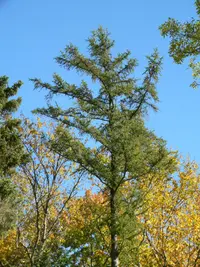
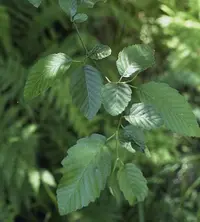
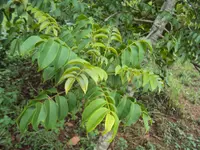
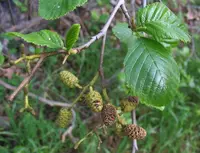
Manchurian alder (Alnus hirsuta) is a deciduous tree from the birch family, typically growing with a straight trunk and a rounded, open crown. Its gray bark, toothed oval leaves, and hanging cone-like catkins give it a distinctive, textured look through the seasons.

This species is native to eastern Asia, including parts of Russia, China, Korea, and Japan, where it often grows along rivers and moist mountain slopes. It fixes nitrogen in the soil through root bacteria, which can improve poor ground and generally makes it easier to establish than many other trees.

Manchurian alder prefers cool to temperate climates, moist but well-drained soil, and full sun. Basic knowledge of how to care for Manchurian alder helps it develop a strong structure and healthy foliage.

Main Plant Requirements

Care Difficulty

Easy Care

Light Preference

Full Sun

Water Requirements

Regular Water

Temperature Preference

Cold Hardy

Hardiness Zone

3–7

Soil Texture

Loamy, Silty, Clay

Soil pH

Acidic (5.5–6.5), Slightly acidic (6.5–7.0)

Soil Drainage

Moist but well-drained

Fertilization

Minimal (feed rarely)

Get Personalized Care Plan

Scan your plant to receive care tips personalized for your specific plant

Available on iOS and Android

How to Care for the Manchurian alder

This species thrives in open, cool-temperate conditions with plenty of direct light.

  • Provide 6–8 hours of direct sun daily; Manchurian alder performs best in full sun but tolerates light afternoon shade in hotter regions.
  • Allow partial shade (3–4 hours sun) for young trees to reduce leaf scorch, especially where summer temperatures and UV exposure are high.
  • Avoid dense shade, which leads to sparse growth and weak stems; in winter, full sun exposure helps ripen wood and improves overall vigor.

Alnus hirsuta prefers consistently moist, not stagnant, soil, especially while establishing.

  • Maintain evenly moist soil, allowing only the top 2–3 cm to begin drying between natural rains, especially during the first 2–3 growing seasons.
  • In summer dry spells, use slow, deep soaking so water penetrates 20–30 cm, then wait until the surface looks matte and cool rather than glossy and muddy.
  • Watch for stress signs: yellowing leaves and soft, sour-smelling soil indicate overwatering, while curling or browning leaf edges signal prolonged dryness.

This hardy tree tolerates cold climates but grows best within a cool to moderate temperature range.

  • Active growth is strongest around 55–75°F (13–24°C), with young shoots forming steadily in cool, moist spring and early summer conditions.
  • Mature trees typically withstand winter lows near -30°F (-34°C) when fully dormant, provided roots are not exposed by erosion or soil disturbance.
  • Heat above 86°F (30°C) can slow growth and increase moisture stress, so prioritize soil moisture and some afternoon shade in hot, dry summers.

This species is tolerant of a wide humidity range and usually does not need special humidity management outdoors.

Alnus hirsuta prefers consistently moist, structurally stable soil that does not stay waterlogged.

  • Use a deep loamy soil rich in organic matter, combining native soil with compost to improve structure and nutrient supply.
  • Aim for a slightly acidic to neutral pH around 5.5–7.0, avoiding highly alkaline sites that can limit nutrient uptake.
  • Ensure moderate drainage: soil should retain moisture yet allow excess water to drain, so avoid compacted clay or sealed surfaces.
  • In heavy soils, incorporate coarse sand or fine gravel plus compost to improve aeration and reduce the risk of standing water.

This fast-growing tree is generally not suitable for long-term container cultivation due to its vigorous root system and size potential.

This nitrogen-fixing tree usually needs minimal feeding once established in the ground.

  • For young Manchurian alder in poor soil, apply a light layer of compost or well-rotted manure in early spring.
  • Use a balanced slow-release fertilizer at half strength for container or nursery trees, 1–2 times per growing season.
  • Avoid high-nitrogen synthetic products; excess nutrients reduce root nodulation and overall resilience.
  • Stop feeding by late summer so new growth hardens before winter.

Light, selective pruning keeps Alnus hirsuta structurally sound and safe.

  • Prune in late winter or very early spring before active growth and sap flow increase.
  • Remove dead, diseased, crossing, or storm-damaged branches with clean, sharp bypass pruners or a pruning saw.
  • Thin congested interior branches to improve airflow and maintain a single strong leader.
  • Limit heading cuts; focus on preserving the tree’s natural form while maintaining clearance from paths and structures.

This alder is mainly grown in the ground, so transplanting young trees correctly is more important than container repotting.

  • Transplant in late fall or early spring when the tree is dormant and soil is workable.
  • Look for circling roots or very slow growth in nursery containers as signs it is time to move the plant out.
  • Dig a wide planting hole, gently loosen circling roots, and set the tree at the same depth it grew in the pot.
  • Water thoroughly after planting, mulch 5–8 cm deep, and keep soil evenly moist for the first 1–2 growing seasons to reduce stress.

Alnus hirsuta is most often propagated from seed for forestry or landscape use.

  • Collect mature cones in late fall, then dry and extract seeds for storage or immediate sowing.
  • Sow seeds in late winter to early spring on a moist, free-draining mix, barely covering them with substrate.
  • Provide cool to mild temperatures, consistent moisture, and bright light without strong direct sun for germination.
  • Once seedlings have several true leaves, prick out carefully into individual pots, handling by the leaves rather than the stems.

This species is cold hardy in most temperate climates and generally needs little special winter care once established.

  • Young trees benefit from 5–8 cm of organic mulch over the root zone, kept away from the trunk.
  • In very exposed sites, use windbreaks to reduce desiccating winter winds around new plantings.
  • Container-grown specimens in colder regions should be sunk into the ground or moved to a sheltered, unheated area to limit root freeze–thaw cycles.

Care Tips

Encourage Strong Rooting

For young trees, maintain a 5–8 cm deep mulch ring over the root zone but keep it 5–10 cm away from the trunk to moderate soil temperature, reduce competition from turf, and promote deep, stable rooting.

Manage Suckers Early

Inspect the base and root zone twice a year and promptly remove suckers with clean, sharp pruners at ground level to maintain a single strong trunk and reduce unwanted thickets.

Support in Windy Sites

In exposed locations, stake new transplants with 2–3 flexible ties for the first 1–2 years, keeping ties loose enough to allow slight movement so the trunk can strengthen without rubbing damage.

Plan for Nitrogen Fixation

Avoid heavy nitrogen fertilization and instead use this species in mixed plantings with other trees or shrubs that benefit from its nitrogen-fixing root nodules, especially in poor or recently disturbed soils.

Monitor for Scale Insects

During late winter and midsummer, check twigs and undersides of branches for small, shell-like scale insects and, if present, treat early with horticultural oil according to label directions as part of caring for Manchurian alder.

Common Pests and Diseases

Alder aphids

This pest clusters on young shoots and leaf undersides, sucking sap and causing leaf curling, distortion, and sticky honeydew that can lead to sooty mold. Symptoms include reduced vigor in young Manchurian alders, especially on new spring growth.

Solution

Prune and discard heavily infested shoot tips, then hose down remaining foliage with a strong water spray to dislodge colonies. If needed, treat new growth with insecticidal soap or a light horticultural oil, ensuring thorough coverage of leaf undersides, and encourage natural predators such as lady beetles by avoiding broad-spectrum insecticides.

Alder leaf beetle

These insects chew characteristic holes between leaf veins, leaving foliage skeletonized and reducing photosynthesis. This pest can cause noticeable defoliation on young or stressed trees, particularly in warm, sheltered sites.

Solution

Hand-pick adult beetles and larvae where reachable and remove leaves heavily covered with larvae. For repeated or heavy damage, target young larvae with a biological insecticide based on Bacillus thuringiensis (Bt) labeled for leaf-feeding beetles, and maintain tree vigor through adequate watering and mulching to help the plant outgrow damage.

Alder rust

This disease causes yellow spots on upper leaf surfaces and orange to rust-colored pustules on the undersides, which release powdery spores. Symptoms include premature leaf drop and an overall thin canopy when infections are severe or repeated.

Solution

Collect and dispose of fallen leaves and heavily infected foliage to reduce spore levels, and avoid overhead watering that keeps leaves wet for long periods. Improve airflow around the tree with thoughtful spacing and light pruning, and where rust is a yearly problem on valuable specimens, apply a labeled copper or other rust-targeted fungicide at bud break and repeat as directed during wet periods.

Canker disease

This disease produces sunken, discolored patches on branches and stems, sometimes exuding dark sap, leading to dieback beyond the affected area. Symptoms include dead twigs, reduced growth, and in severe cases branch loss, often after stress such as drought or mechanical injury.

Solution

Prune out infected branches at least 15–20 cm below visible cankers during dry weather, sterilizing tools between cuts with alcohol or a 10% bleach solution. Reduce stress by maintaining even soil moisture, preventing trunk wounds, and mulching the root zone, and in plantings with a history of canker, avoid overhead irrigation that wets the bark for extended periods.

Leaf spot

This disease causes small brown or black spots that may merge into larger blotches, sometimes with yellow halos, leading to early leaf drop on affected Manchurian alder. Symptoms include thinning foliage and a generally tired appearance, especially after wet, cool periods.

Solution

Rake up and dispose of fallen leaves and remove heavily spotted foliage to reduce reinfection, and provide good spacing and airflow to help leaves dry quickly. If leaf spot recurs every year or affects young trees, consider a preventive fungicide labeled for deciduous trees in early spring, combined with balanced watering and soil management as part of broader Alnus hirsuta care.

Interesting Facts

Cold-adapted pioneer

This species naturally colonizes cold, disturbed sites in northeastern Asia, such as river terraces, landslides, and logging areas, where it stabilizes soil and prepares conditions for later-succession trees.

Powerful nitrogen fixer

It forms root nodules with Frankia actinobacteria, allowing the tree to fix atmospheric nitrogen and significantly enrich nutrient-poor soils around its root zone.

Support for river ecosystems

Along mountain streams and rivers, its dense root systems reduce bank erosion, while leaf litter and catkins supply organic matter that supports aquatic and riparian food webs.

Botan icon

Did you know?

In parts of East Asia, this species has been widely used in reforestation and land rehabilitation projects on degraded or mined lands because its rapid growth, tolerance of poor soils, and nitrogen-fixing ability accelerate the development of more complex forest communities.

FAQs about Manchurian alder

This species is generally fast-growing, often adding 30–60 cm per year once established, and more in ideal, moist conditions. Growth slows with age. Proper siting and basic Alnus hirsuta care help maintain steady development.

Grow Healthy Plants with Botan Care

Keep your plants happy and healthy with plant identification, disease detection, and easy care guidance.

Botan plant care app — identify plants on mobile

Explore More Plants