Wind exposure hardening
About 2–3 weeks before planting out, place seedlings outdoors in a sheltered but breezy spot for 1–2 hours per day, gradually increasing time so stems thicken and plants tolerate wind without lodging or snapping.

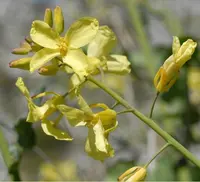
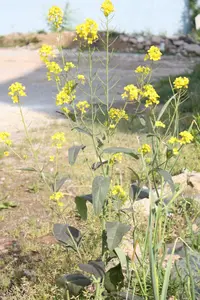
Brassica montana is a wild cabbage species in the Brassicaceae family, closely related to many cultivated cabbages and kales. It is a herbaceous perennial with leafy rosettes and upright flowering stems bearing small yellow flowers.
This species is native to rocky coastal cliffs and slopes in parts of southern Europe, where it experiences wind, salt spray, and lean, stony soils. Its natural habitat makes it relatively tough, with good tolerance of poor, well-drained substrates and variable moisture.
In gardens or research plantings, Brassica montana usually prefers open, sunny positions and soils that do not stay waterlogged. Understanding this background helps clarify how to care for Brassica montana in temperate outdoor conditions.

Care Difficulty
Moderate Care

Light Preference
Full Sun

Water Requirements
Moderate Water

Temperature Preference
Cool Climate

Hardiness Zone
6–9

Soil Texture
Loamy, Sandy, Organic-rich

Soil pH
Acidic (5.5–6.5), Slightly acidic (6.5–7.0)

Soil Drainage
Well-drained

Fertilization
Light (every 4–6 weeks)
Scan your plant to receive care tips personalized for your specific plant
Available on iOS and Android
This cool-season coastal cabbage relative prefers strong light but not intense, drying heat.
This species prefers consistently moist, well-drained soil without long dry or waterlogged periods.
This cool-season plant grows best in mild conditions with limited temperature extremes.
Humidity plays a minor role for this hardy, outdoor brassica species.
This species prefers stable, moderately fertile, well-structured ground that drains freely yet retains some moisture.
This species can be grown in containers if the pot is large and stable enough for its root system.
This wild Brassica montana usually manages in reasonably fertile soil but benefits from modest feeding in poor ground or containers.
Pruning Brassica montana is mainly about maintaining plant health and preventing overcrowding in naturalistic plantings.
This species is more often grown in open ground than in pots, so focus on careful transplanting rather than frequent repotting.
Brassica montana is usually propagated from seed, which allows many plants to be raised at low cost.
This plant is generally cold hardy in temperate climates and needs only modest winter care in the ground.

Plant Health Check
Not sure what's wrong with your plant? Check your plant's health inside the app.
Brassica montana is considered one of the wild progenitors of several domesticated Brassica crops, including forms related to cabbage, kale, and broccoli, making it important in studies of crop evolution and domestication.
This species typically grows on rocky sea cliffs and coastal slopes in parts of western and southern Europe, where it tolerates salt-laden winds and thin, alkaline soils better than many other Brassica relatives.
Wild populations of Brassica montana hold genetic variation for traits such as stress tolerance and disease resistance, so plant breeders and conservationists view it as a valuable gene pool for long-term Brassica montana care and crop improvement research.
Growth is moderately fast under cool, fertile, well‑drained conditions. Seedlings establish in a few weeks, then put on most growth in spring and early summer. Poor soil, heat stress, crowding, or inconsistent moisture noticeably slow development.
Keep your plants happy and healthy with plant identification, disease detection, and easy care guidance.