

Early row covers
Use lightweight floating row covers from planting until flowers appear to protect young plants from cucumber beetles and squash vine borers, then remove them to allow pollination.

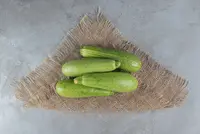
Zucchini is a warm-season squash, grown as an annual vegetable and botanically known as Cucurbita pepo. It develops fast-growing vines or bushy plants with large, lobed leaves and yellow flowers that mature into elongated green fruits.
The species originates from the Americas but is now widely cultivated in home gardens and farms across many temperate and subtropical regions. It is generally easy to grow, provided it receives plenty of sun, regular moisture, and fertile, well-drained soil.
Vigorous growth, high productivity, and relatively low pest resistance needs make it suitable for beginners who want to learn how to care for zucchini.

Care Difficulty
Moderate Care

Light Preference
Full Sun

Water Requirements
Regular Water

Temperature Preference
Tropical / Frost Sensitive

Hardiness Zone
3–10

Soil Texture
Loamy, Sandy, Organic-rich

Soil pH
Acidic (5.5–6.5), Slightly acidic (6.5–7.0)

Soil Drainage
Moist but well-drained

Fertilization
Moderate (every 2–4 weeks)
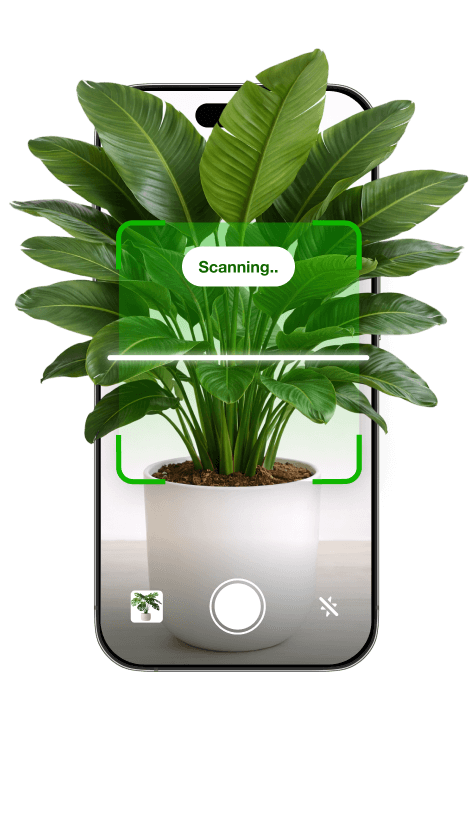
Scan your plant to receive care tips personalized for your specific plant
Available on iOS and Android
This warm-season crop needs strong, direct light to produce well.
This plant prefers consistently moist but not waterlogged soil throughout the growing season.
This species grows best in warm, stable conditions without frost exposure.
Humidity is rarely a limiting factor for Cucurbita pepo, including zucchini, in typical outdoor conditions.
Cucurbita pepo grows best in loose, fertile, well-drained ground that still holds consistent moisture.
This species can be grown in containers if the pot is large, stable, and drains freely.
Cucurbita pepo benefits from steady nutrition through the active growing season for strong vines and fruiting.
Pruning Cucurbita pepo is mainly about managing vigor, light, and airflow rather than shaping a permanent structure.
This species is usually started in small pots or modules, then transplanted outdoors once conditions are warm and stable.
Most Cucurbita pepo plants are propagated from seed, which is reliable and fast under warm conditions.
Cucurbita pepo is a frost-tender annual that typically completes its life cycle before winter and does not need long-term overwintering.

Plant Health Check
Not sure what's wrong with your plant? Check your plant's health inside the app.
Genetic evidence shows that Cucurbita pepo was domesticated at least twice, once in Mexico and once in the eastern United States, making it one of the few crops with multiple independent domestication events in the Americas.
This single species includes pumpkins, zucchini, acorn squash, pattypan squash, and ornamental gourds, all arising from strong selection on fruit shape, size, and rind traits within Cucurbita pepo.
Many populations depend heavily on squash bees in the genus Peponapis, which are specialist pollinators that time their activity to early morning when Cucurbita pepo flowers open and shed pollen.
Archaeological remains of Cucurbita pepo dating back more than 8,000 years have been found in both Mexico and the eastern United States, placing it among the earliest known domesticated crops in North America and a key species in the transition to early agricultural societies.
Yellowing leaves usually result from nitrogen deficiency, water stress, root damage, or soil staying too wet. Check for compacted soil, improve drainage, fertilize lightly with a balanced product, and remove only the most damaged foliage to reduce disease risk.
Keep your plants happy and healthy with plant identification, disease detection, and easy care guidance.