Alligator Pear Care (Persea americana 'Fuerte')

About Alligator Pear

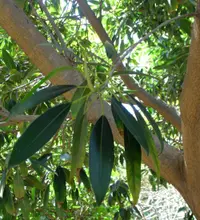
Persea americana 'Fuerte', commonly called alligator pear or avocado, is a subtropical evergreen fruit tree valued for its rich, pear-shaped fruits and dense canopy. It typically forms a medium to large tree with grayish bark, glossy green leaves, and a branching habit that can provide substantial shade in suitable climates.

This cultivar originated from Mexico and Central America and is now widely grown in mild, frost-free regions. It is moderately demanding, as it dislikes hard freezes, waterlogged soil, and very dry, compacted ground.

The tree prefers bright light, deep, well-drained soil, and steady moisture without standing water. Gardeners who understand how to care for Alligator Pear will find 'Fuerte' rewarding but not maintenance-free.


Main Plant Requirements

Care Difficulty

Moderate Care

Light Preference

Full Sun

Water Requirements

Moderate Water

Temperature Preference

Warm Climate

Hardiness Zone

9–11

Soil Texture

Sandy, Loamy, Organic-rich

Soil pH

Acidic (5.5–6.5), Slightly acidic (6.5–7.0)

Soil Drainage

Well-drained

Fertilization

Minimal (feed rarely)

Get Personalized Care Plan

Scan your plant to receive care tips personalized for your specific plant

Available on iOS and Android

How to Care for the Alligator Pear

Persea americana 'Fuerte' performs best with strong, sustained light suited to a sun-loving fruit tree.

  • Provide 6–8 hours of direct sun daily, ideally with gentle morning sun and some protection from intense late-afternoon summer sun in very hot regions.
  • Young trees handle light or partial shade (3–4 hours direct sun), but fruiting and dense growth improve with near full sun exposure.
  • Monitor leaves for pale color or leggy shoots from too little light, and for scorched, brown leaf edges from reflected or extreme midsummer sun on exposed sites.

Water management for Persea americana 'Fuerte' focuses on steady soil moisture without waterlogging.

  • Irrigate when the top 4–6 cm of soil feels dry, applying a slow, deep soak that moistens the root zone instead of frequent shallow splashes.
  • Use well-drained soil; yellowing leaves, soft growth, or sour-smelling soil indicate overwatering, while dull, curling, or wilting leaves signal underwatering.
  • Reduce frequency in cool seasons while still preventing complete drying, and increase during hot, dry, or windy periods, especially for young trees establishing roots.

Temperature control is critical for sustained growth and cropping in this avocado variety.

  • Aim for 65–80°F (18–27°C) during active growth, where photosynthesis and root activity remain efficient for Alligator Pear cultivation.
  • Mature trees tolerate brief dips to about 28°F (−2°C), but young tissue is damaged near freezing; protect from frost with covers or site selection on warmer slopes.
  • In hot climates, 90–95°F (32–35°C) is tolerated if soil moisture is stable and roots are mulched, but prolonged extremes above this can stress flowers and small fruit.

This avocado cultivar prefers moderately humid air but adapts to typical indoor levels if roots are well managed.

  • Aim for 40–60% relative humidity; it copes with brief drops but prolonged very dry air increases leaf tip browning.
  • In dry heated rooms, Alligator Pear may show curled, crispy margins on newer leaves, especially when also under high light.
  • Increase humidity locally using grouped plants, a wide pebble tray under the pot, or short, occasional use of a room humidifier.

Persea americana 'Fuerte' needs deep, loose, sharply draining soil that still holds steady moisture.

  • Use a sandy loam structure with 40–60% mineral material (sand and fine gravel) and 40–60% organic matter such as composted bark-based mix.
  • Maintain pH around 6.0–7.0; avoid strongly acidic or alkaline soils that reduce nutrient uptake and promote leaf chlorosis.
  • Blend components like compost, fine bark, coarse sand, and perlite to improve aeration so roots stay oxygenated and resist rot.
  • Avoid compacted clay, perched water layers, or mixes dominated by peat that stay wet for many hours after watering.

This avocado can be grown in containers, especially while young or maintained as a smaller tree.

  • Choose a deep, wide, heavy container to support the vigorous taproot and prevent the tall canopy from tipping in wind.
  • Prefer thick-walled terracotta or other porous materials outdoors, as they allow faster moisture loss and reduce root rot risk in cool conditions.
  • Set large containers on stable pot feet or bricks so drainage holes never sit flat on a hard surface that could trap runoff.

Balanced, moderate feeding supports steady growth and fruiting for Persea americana 'Fuerte' grown in average to low‑fertility soils.

  • Use a balanced granular NPK fertilizer or well‑aged compost in early spring, scratching it lightly into the soil surface.
  • Feed young trees 2–3 times from spring to mid-summer; mature trees often need only 1–2 light applications yearly.
  • Apply at half the label rate for fruit trees, avoiding contact with the trunk to reduce burn risk.
  • Stop feeding by late summer and avoid winter applications so the Alligator Pear can harden new growth before cold weather.

Thoughtful pruning keeps Persea americana 'Fuerte' structurally sound, manageable in height, and productive.

  • Prune in late winter or very early spring before vigorous new growth begins, avoiding heavy summer cutting.
  • Remove dead, diseased, crossing, or inward-growing branches using clean, sharp bypass pruners or a pruning saw.
  • Thin dense interior growth to improve light penetration and air movement, which supports flowering and fruit set.
  • Shorten overly tall or sprawling branches gradually across several years to maintain a strong, open canopy.

Container-grown or young landscape trees benefit from careful transplanting to maintain a healthy root system.

  • Plan major transplanting for late winter to early spring, when the tree is less active and heat stress is low.
  • Look for roots circling the pot, water running straight through, or stunted growth as signs a container plant needs a larger home.
  • Shift to a container 1–2 sizes larger or a permanently prepared ground site with deep, well-drained soil.
  • Handle the root ball gently, loosen only tight outer roots, water thoroughly after planting, and shade for several days to reduce stress.

Meaningful propagation for Persea americana 'Fuerte' relies mainly on grafting named scions onto seedling rootstocks.

  • Sow fresh avocado seeds in warm, free-draining mix at 70–80°F, keeping the medium just moist for steady germination.
  • In late winter to early spring, graft hardened scion wood onto vigorous seedlings using cleft or veneer graft techniques.
  • Maintain high humidity, bright indirect light, and stable warmth so graft unions callus and buds push strongly.
  • Use cuttings only in controlled conditions with bottom heat and rooting hormone, as success rates are usually low.

Cold sensitivity means this tree needs some structured winter care, especially in cooler regions and in containers.

  • Mature trees tolerate brief light frosts but suffer damage near 26–28°F, while young plants are more vulnerable.
  • Apply 5–10 cm of organic mulch over the root zone, keeping it a few cm away from the trunk to limit rot.
  • Wrap young trunks with frost cloth or breathable tree wrap during cold snaps to reduce bark injury.
  • Move container plants indoors or into an unheated but frost-free garage or greenhouse before hard freezes arrive.

Care Tips

Windward staking

In the first 2–3 years, install 2–3 sturdy stakes on the prevailing-wind side and use soft, flexible ties to keep the young trunk upright while still allowing slight movement, which promotes a stronger root system and reduces wind snap.

Low scaffold training

While the tree is young, select 3–5 main branches spaced around the trunk and 30–60 cm above the ground, then remove or shorten competing shoots to build a low, open framework that supports heavy fruit loads and makes harvest safer.

Fruit thinning strategy

When branches set very dense clusters of small fruit, remove surplus fruits so that remaining ones are spaced about 10–15 cm apart along the branch to reduce limb breakage and improve final fruit size and quality.

Mulch ring management

Maintain a 5–10 cm deep ring of coarse organic mulch out to the drip line but keep it 10–15 cm away from the trunk to moderate soil temperature, conserve moisture, and reduce collar rot risk.

Cold event preparation

Before forecast light frost, irrigate the root zone thoroughly and wrap the lower trunk with breathable frost cloth or insulation to buffer sudden temperature drops and protect bark, which is a key part of caring for Alligator Pear in marginal climates.

Common Pests and Diseases

Avocado thrips

This pest feeds on young leaves and fruit, causing scarring, bronzing, and distorted new growth. Symptoms include silvery or brown scuffed patches on fruit skin and curling foliage on tender shoots.

Solution

Monitor young flushes and small fruit regularly and prune out heavily infested tender tips. Use a strong jet of water to dislodge insects from reachable branches, encourage natural predators such as lacewings and predatory mites, and, if needed, apply a targeted horticultural oil or spinosad product labeled for thrips, following label directions carefully.

Persea mite

This pest forms colonies on the underside of leaves, spinning fine webbing and creating small yellow to brown necrotic spots along the veins. Over time, leaves may develop a stippled, scorched appearance and drop prematurely, especially on lower canopy branches.

Solution

Check the undersides of leaves with a hand lens and remove and dispose of heavily damaged leaves to reduce mite populations. Improve tree vigor with proper watering, avoid broad-spectrum insecticides that kill beneficial mites, and use horticultural oil or insecticidal soap directed to the leaf undersides if populations remain high.

Avocado lace bug

These insects feed on the undersides of leaves, causing yellow stippling that can turn brown and dry, often with dark, varnish-like spots of excrement beneath. Severe infestations lead to leaf drop and increased sunburn risk on exposed branches and fruit.

Solution

Inspect leaf undersides regularly, especially on lower inner branches, and prune out and destroy heavily infested foliage where practical. Increase irrigation consistency to reduce stress, limit nitrogen-heavy fertilization that pushes soft growth, and apply horticultural oil or insecticidal soap thoroughly to leaf undersides if early infestations are detected.

Anthracnose

This disease causes dark, sunken lesions on fruit, leaves, and twigs, often with pinkish to orange spore masses in humid weather. Infected fruit may rot on the tree or shortly after harvest, reducing yield and quality.

Solution

Remove and discard fallen leaves and mummified fruit, and prune to open the canopy for better airflow and faster drying after rain or irrigation. Avoid overhead watering, apply copper-based fungicides preventively in wet seasons if the product is labeled for avocado, and harvest fruit promptly when mature to reduce post-harvest losses.

Phytophthora root and collar rot

This disease, caused by soilborne Phytophthora species, leads to root decay, reduced vigor, wilting, and dieback, often with dark, water-soaked lesions at the crown near soil level. Symptoms include yellowing leaves, twig dieback, and poor new growth despite adequate watering and fertilization.

Solution

Improve drainage by planting on mounds or raised beds, avoid waterlogged or compacted soils, and reduce irrigation frequency so the top soil layer dries between waterings. Remove soil piled against the trunk, keep mulch away from the crown, and consult local extension or a certified arborist if considering phosphite (phosphonate) trunk sprays or soil drenches as part of a structured Phytophthora management program.

Interesting Facts

Early cold-hardy avocado

This cultivar was one of the first avocado selections recognized for its relatively good cold tolerance among Mexican–Guatemalan hybrids, making it suitable for regions with light winter frosts compared with many other avocado types.

Distinctive pear-like fruit

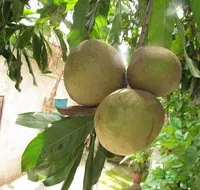
The fruit is characteristically elongated with a necked, pear-like shape and smooth, thin green skin that stays green when ripe, unlike Hass, which darkens to purple-black.

Historic Californian standard

Before Hass became dominant, this cultivar was the leading commercial avocado in California during the early–mid 20th century and played a major role in shaping modern avocado orchards and breeding choices.

Botan icon

Did you know?

The name Fuerte, meaning strong in Spanish, was given after trees of this seedling selection in Altadena, California, survived an unusually severe freeze in 1913–1914 that killed many other avocado varieties, highlighting its superior cold resilience and leading to its rapid adoption by early growers.

FAQs about Alligator Pear

The fruit is edible and widely consumed fresh, in guacamole, salads, and spreads. The flesh is rich in healthy fats, fiber, and vitamins. The large seed and tough skin are not eaten and are discarded.

Grow Healthy Plants with Botan Care

Keep your plants happy and healthy with plant identification, disease detection, and easy care guidance.

Botan plant care app — identify plants on mobile

Explore More Plants