Sycamore Care (Acer pseudoplatanus)

Also known as: sycamore maple, mock plane, Scottish maple, great maple
Sycamore

About Sycamore

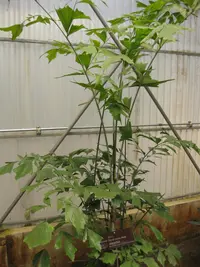
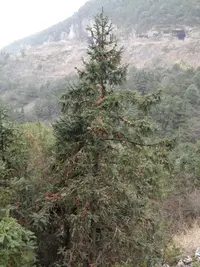
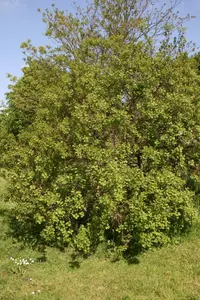
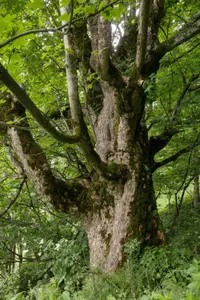
Sycamore (Acer pseudoplatanus) is a large, fast-growing deciduous tree commonly planted in parks, streets, and large gardens. It develops a broad, rounded crown and dense shade. Leaves are broad and maple-like, turning yellowish in autumn, and the bark often flakes with age, creating a patchy, textured trunk. It produces winged seeds (samaras) that are widely dispersed by wind. This species is native to central and southern Europe but is now naturalized in many temperate regions, including parts of the UK and North America. It is generally robust, tolerating wind, air pollution, and a range of soils, which makes it relatively easy to care for Sycamore in suitable outdoor spaces.

Main Plant Requirements

Care Difficulty

Easy Care

Light Preference

Full Sun

Water Requirements

Moderate Water

Temperature Preference

Cold Hardy

Hardiness Zone

4–7

Soil Texture

Sandy, Loamy, Clay

Soil pH

Acidic (5.5–6.5), Slightly acidic (6.5–7.0)

Soil Drainage

Moist but well-drained

Fertilization

Minimal (feed rarely)

Get Personalized Care Plan

Scan your plant to receive care tips personalized for your specific plant

Available on iOS and Android

How to Care for the Sycamore

This large deciduous tree prefers consistent outdoor light with some protection from extreme afternoon sun.

  • Provide 4–6 hours of direct morning sun with light or dappled shade in the afternoon, especially in hotter regions, to reduce leaf scorch on young Sycamore trees.
  • Tolerates partial shade, but dense shade can cause sparse branching and smaller, pale leaves; ensure open sky exposure or filtered light for balanced growth.
  • In summer, monitor for leaf edges browning on exposed southwest sides, and in winter allow full sun, as bare branches are not harmed by strong light.

This species prefers steadily moist, well‑drained soil rather than frequent shallow watering.

  • Aim for soil that stays slightly moist in the top 5–8 cm; allow the surface to lose its gloss and feel just dry before deep watering, especially in the first 3–5 establishment years.
  • Use soil with good structure and drainage; avoid standing water around the base, which leads to root rot, fungal growth, and weak anchoring in Acer pseudoplatanus.
  • In hot, dry periods, watch for drooping or crisp leaf edges as a sign of drought stress, and in cooler, wet seasons reduce supplemental watering to prevent waterlogged conditions.

This hardy tree thrives in temperate climates with cool to mild summers and cold winters.

  • Optimal growing temperatures are about 55–75°F (13–24°C), with strongest shoot and leaf development in cool, moist springs and mild summers.
  • Mature trees tolerate winter lows near 0°F (−18°C) once established, but young plants benefit from protection from sudden hard frosts after mild spells.
  • In hot climates, repeated days above 90°F (32°C) can cause leaf scorch and stress; provide soil mulch and avoid heat-reflecting surfaces to moderate root and canopy temperatures.

Humidity is rarely a limiting factor for Acer pseudoplatanus, which adapts well to typical outdoor air levels.

  • Performs reliably in 40–70% humidity, making it suitable for most temperate outdoor climates.
  • Tolerates relatively dry air but prolonged hot, dry wind can cause marginal leaf browning and earlier leaf drop.
  • In exposed, dry sites, shelter young Sycamore with windbreaks and a mulch layer to reduce leaf desiccation rather than trying to raise ambient humidity.

Acer pseudoplatanus prefers deep, moist, well‑structured mineral soil that drains freely yet holds steady moisture.

  • Aim for a loamy soil with moderate organic matter, such as a mix of native topsoil, compost, and coarse sand or fine grit.
  • Provide drainage that allows water to percolate without pooling; avoid compacted, waterlogged, or heavy clay that stays sticky after rain.
  • Target a slightly acidic to neutral pH around 6.0–7.5; avoid very alkaline fill where nutrient lockout and chlorosis can appear.
  • Improve aeration on heavier sites by incorporating 20–30% coarse grit or sharp sand into the top 20–30 cm before planting.

This species can be grown in containers only on a temporary or juvenile basis, as its vigor and size quickly exceed most pots.

  • Choose a very heavy, wide container to counter the tree’s developing top weight and reduce the risk of tipping in wind.
  • Use a deep pot that allows a pronounced taproot and early structural roots to extend downward without circling tightly.
  • Select a thick-walled material such as concrete or ceramic to buffer root-zone temperature swings on exposed patios or terraces.

Acer pseudoplatanus grows well in average soil and usually needs only modest feeding in gardens.

  • Apply a balanced slow-release fertilizer (around 10-10-10) once in early spring for young or container-grown Sycamore.
  • Use well-rotted compost or leaf mold as a light top-dressing over the root zone in spring to support soil life.
  • Avoid high-nitrogen lawn fertilizers near the root area to limit excessively soft, weak growth.
  • Do not feed in late summer or winter, and keep any liquid feeds at half strength to prevent salt buildup.

Pruning Acer pseudoplatanus focuses on structural safety and clearing damaged growth.

  • Carry out main pruning in mid- to late winter when the tree is dormant and sap flow is lower.
  • Remove dead, diseased, crossing, or rubbing branches first to improve airflow and reduce future breakage risk.
  • Thin congested interior shoots to maintain a balanced crown shape and manage overall size.
  • Use clean, sharp loppers or a pruning saw, making smooth cuts just outside the branch collar to aid healing.

This species is usually grown in the ground, so care centers on transplanting young trees rather than long-term container culture.

  • Plan transplanting for late autumn or very early spring, while the tree is dormant and soil is workable.
  • Move plants once roots fill the planting hole, growth slows, or circling roots appear in nursery containers.
  • Dig a wide root ball, keep soil around roots intact, and minimize time between lifting and replanting to limit stress.
  • Replant at the same depth, water thoroughly, apply a 5–8 cm mulch, and provide regular moisture for the first 1–2 growing seasons.

Propagation of Acer pseudoplatanus is usually done from seed, with cuttings used less often in home gardens.

  • Collect mature winged seeds in autumn and sow fresh outdoors or cold-stratify at 34–41°F for 8–12 weeks.
  • Use deep trays or pots with a free-draining nursery mix, kept evenly moist but not saturated during germination.
  • Take semi-ripe cuttings in midsummer, use a rooting hormone, and place in high humidity with bright, indirect light.
  • Label young plants clearly and grow them on in containers or a nursery bed for 1–2 years before permanent planting.

Mature Acer pseudoplatanus is cold hardy in most temperate climates and usually needs minimal winter care outdoors.

  • Apply a 5–8 cm mulch over the root zone in late autumn to moderate soil temperature and conserve moisture.
  • For young or container trees, shelter pots against a wall or in an unheated garage to reduce root freezing.
  • Brush heavy wet snow from branches gently to lower the risk of limb breakage in winter storms.

Care Tips

Encourage Strong Leader

In the first 3–5 years, select one straight central leader and remove competing upright shoots in late winter so the tree develops a stable, wind-resistant structure.

Manage Surface Roots

When roots begin to heave soil or hardscape, apply a 5–8 cm mulch ring out to the drip line and avoid planting turf directly over roots to reduce mechanical damage and trip hazards.

Plan Wind Exposure

Site young trees with some shelter from prevailing winds or use low, flexible staking for the first 1–2 seasons to reduce the risk of wind rock and root loosening.

Control Volunteer Seedlings

Inspect nearby beds, lawns, and paving each spring and remove unwanted seedlings promptly by hand or with a narrow trowel before they develop deep taproots.

Monitor Canker And Rot

Check trunk and main branches annually for sunken, cracked, or oozing areas and have suspect limbs professionally removed during dormancy to limit spread, which is a key part of caring for Sycamore in long-term plantings.

Common Pests and Diseases

Sycamore aphid

This pest feeds in large colonies on leaves and young shoots, sucking sap and causing leaf curling, yellowing, and sticky honeydew on surfaces below the tree.

Solution

Monitor spring and early summer growth, and if colonies build up on reachable branches, dislodge them with a strong water spray or prune heavily infested shoots. Encouraging natural predators like lady beetles and avoiding broad-spectrum insecticides helps keep populations in check; horticultural soap can be used on smaller trees if needed.

Tar spot

This disease causes yellow patches on leaves that develop into raised, black, tar-like spots, often covering much of the leaf surface by late summer.

Solution

Collect and dispose of fallen leaves in autumn to reduce the fungal spores that overwinter in debris. For ornamental or smaller trees, maintaining good vigor through proper watering and mulching, along with removal of infected leaves, is usually sufficient; fungicide sprays are rarely necessary and mainly used in nurseries or high-value plantings.

Sycamore leaf scorch

Symptoms include browning and crisping of leaf edges and areas between veins, often appearing in midsummer and sometimes linked to bacterial infection or environmental stress.

Solution

Reduce stress by providing consistent soil moisture, avoiding root damage, and using an organic mulch layer to moderate soil temperature. Prune out severely affected twigs during dormant season and improve site conditions; in most landscape situations this disorder is managed by cultural care rather than chemical treatment.

Sycamore lace bug

These insects feed on the undersides of leaves, causing pale stippling on the upper surface, leaf drop in heavy infestations, and fine dark specks of excrement beneath the canopy.

Solution

Inspect the undersides of leaves in late spring and summer; on smaller trees, wash foliage with a firm water spray or use insecticidal soap to target nymphs. Promoting natural enemies and avoiding unnecessary insecticides helps keep populations low; heavy pruning is rarely needed unless small trees are repeatedly defoliated.

Sooty bark disease

This disease causes dark staining and sooty, black fungal growth under the bark, often following stress such as drought or heat, and can lead to branch dieback or death of the tree.

Solution

Remove and destroy infected branches or severely affected trees to reduce spread, and avoid wounding the trunk or major limbs. Improving tree vigor through regular watering during dry periods and maintaining an undisturbed root zone is key; in public areas, consult an arborist to assess structural safety if large stems are involved as part of wider Acer pseudoplatanus care.

Interesting Facts

Helicopter seed strategy

Its winged fruits, called samaras, spin like small helicopters in the wind, allowing the seeds to travel far from the parent tree and colonize disturbed ground efficiently.

Extreme shade tolerance

Young sycamore maple seedlings tolerate deep shade under dense canopies and can wait for many years until a light gap opens, then quickly accelerate growth to reach the canopy.

Limestone specialist bark

This species often thrives on base-rich, limey soils and its grey, flaking bark tolerates pollution and salt spray, which is why it is common along European coasts and in urban environments.

Botan icon

Did you know?

Sycamore maple populations in parts of western and northern Europe are now considered naturalized or even invasive, because the species spreads so aggressively by seed that it can form dense stands and outcompete many native woodland trees and shrubs.

FAQs about Sycamore

This tree is considered fast-growing, typically adding 30–60 cm of height per year in youth, sometimes more in ideal conditions. Growth slows with age. Adequate moisture, soil depth, and root space strongly influence annual extension growth.

Grow Healthy Plants with Botan Care

Keep your plants happy and healthy with plant identification, disease detection, and easy care guidance.

Botan plant care app — identify plants on mobile

Explore More Plants