Caryota maxima Care

Caryota maxima

About Caryota maxima

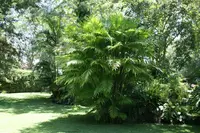
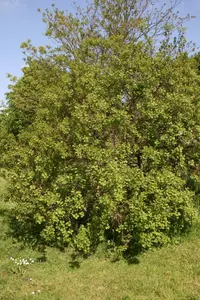
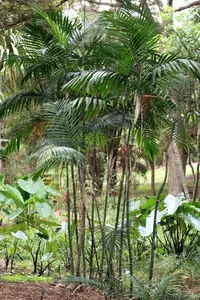
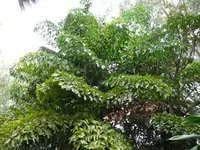
Caryota maxima, often called the giant fishtail palm, is a large, fast-growing palm tree valued for its bold, tropical look. It forms a single, straight trunk topped with big, triangular fronds that have a ragged, fishtail-like edge.

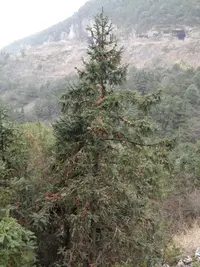
This species is native to parts of Southeast Asia, where it grows in warm, humid forests and mountain valleys. It can become very tall outdoors, so it is usually grown in spacious gardens or large indoor atriums.

The plant prefers bright light, regular moisture, and well-drained soil, and it resents prolonged cold or drought. With suitable space and stable warmth, it is not difficult to manage once you understand how to care for Caryota maxima.

Main Plant Requirements

Care Difficulty

Moderate Care

Light Preference

Partial Shade

Water Requirements

Regular Water

Temperature Preference

Tropical / Frost Sensitive

Hardiness Zone

10–11

Soil Texture

Loamy, Sandy, Organic-rich

Soil pH

Acidic (5.5–6.5), Slightly acidic (6.5–7.0)

Soil Drainage

Moist but well-drained

Fertilization

Light (every 4–6 weeks)

Get Personalized Care Plan

Scan your plant to receive care tips personalized for your specific plant

Available on iOS and Android

How to Care for the Caryota maxima

This large palm prefers bright, filtered light similar to high-canopy forest conditions.

  • Provide 4–6 hours of bright, indirect light daily; morning sun with light afternoon shade suits Caryota maxima best in most climates.
  • Outdoors, give dappled shade under taller trees or a shade cloth that cuts direct midsummer sun by about 40–60%.
  • Watch leaflets for pale, crispy edges from too much direct sun or stretched, floppy growth in deep shade and adjust exposure seasonally.

This species prefers evenly moist but not waterlogged soil, especially during active growth.

  • Before watering, let the top 3–5 cm of soil dry; use your finger to check rather than following a fixed schedule.
  • In spring and summer, maintain consistent moisture in deep, well-drained soil; slow watering until runoff, then let excess drain away fully.
  • Reduce watering frequency in cooler months and watch for yellowing, mushy roots from overwatering or folded, browning leaf tips from drought stress.

This palm grows best in warm, stable temperatures without frost exposure.

  • For strong growth, aim for 70–85°F (21–29°C); growth slows noticeably below about 65°F (18°C).
  • Avoid temperatures below 40°F (4°C); light frost can damage foliage, and hard freezes can kill the growing point.
  • In hot spells above 95°F (35°C), provide extra shade and soil moisture, as Caryota maxima can overheat and scorch in reflected or radiant heat pockets.

This species prefers moderately humid air and reacts if conditions are too dry for long periods.

  • Aim for 50–70% humidity, as very dry indoor air slows growth and increases leaf damage risk.
  • Brown, crisp leaflet tips and edges indicate humidity stress rather than simple underwatering.
  • Increase humidity with a nearby humidifier, grouping plants, or placing the pot on a pebble tray above, not in, water.

This palm requires a loose, well-aerated mix that drains freely yet holds steady moisture.

  • Use a rich, loamy mix built from roughly 2 parts peat- or coco-based potting mix, 1 part compost, and 1 part coarse material such as perlite or pumice.
  • Ensure rapid drainage; water should pass through the pot within seconds, leaving the mix lightly moist but never waterlogged.
  • Aim for slightly acidic to neutral pH, around 6.0–7.0, as strongly alkaline substrates can limit nutrient uptake and cause chlorosis.
  • For reliable Caryota maxima care instructions, avoid heavy clay or compacted soils that collapse around the roots and reduce oxygen.

This palm can be grown in large containers when its ultimate size and weight are planned for in advance.

  • Choose a deep, wide, heavy pot that resists tipping, as the tall canopy becomes very top-heavy in wind or when moved.
  • Select a container material that slows moisture loss, such as glazed ceramic, if the plant sits in a hot, exposed position.
  • Raise the pot slightly on feet or blocks so drainage holes stay clear and excess water escapes quickly after irrigation or rain.

This palm benefits from moderate feeding during active growth but does not require heavy fertilization for good health.

  • Use a balanced slow‑release fertilizer (around 10‑10‑10 or 14‑14‑14) or well‑matured compost at the start of spring.
  • Feed Caryota maxima every 8–10 weeks through late summer, following label rates at 50–75% strength.
  • Avoid high‑nitrogen lawn fertilizers, which can burn roots and encourage weak, lush growth.
  • Stop feeding in fall and winter, when growth slows, to prevent nutrient buildup in the soil.

Pruning mainly focuses on hygiene and safety rather than shaping this palm heavily.

  • Carry out pruning in late winter or early spring, or as soon as fronds die or are storm‑damaged.
  • Remove only fully brown, dead, or badly torn fronds at the base, leaving the green petiole collar intact.
  • Use clean, sharp loppers or a pruning saw, disinfected with alcohol to reduce disease transfer.
  • Avoid over‑thinning green fronds, as this reduces photosynthesis and weakens overall growth and crown structure in Caryota maxima.

This species is usually grown in the ground, so transplanting young plants correctly is more important than frequent repotting.

  • Transplant in spring when frost risk has passed and soil is warming, giving roots a full season to establish.
  • Move plants when roots circle the pot, water drains very quickly, or growth becomes noticeably slower.
  • Shift up only 1 pot size, handling the root ball gently and teasing circling roots without tearing masses of fine roots.
  • Set the palm at the same soil depth, water thoroughly, then keep soil evenly moist and shaded for 1–2 weeks to limit transplant shock in Caryota maxima.

Propagation of this palm is usually done from seed and is relatively slow for home growers.

  • Sow fresh, cleaned seeds in late spring to early summer for the warmest germination conditions.
  • Use a sterile, well‑drained mix, such as 50% coarse sand or perlite with 50% peat or coco coir.
  • Maintain 75–85°F bottom warmth and high humidity; germination can take several weeks to many months.
  • Provide bright, indirect light and keep the mix just moist, not wet, to avoid rot and support steady establishment of Caryota maxima seedlings.

This palm is sensitive to hard freezes and benefits from targeted winter protection in cooler climates.

  • In regions below about 25°F, treat Caryota maxima as marginal and plan for shelter or indoor culture.
  • Apply 5–8 cm of organic mulch around the root zone, keeping it slightly away from the trunk base.
  • Wrap the trunk and central crown with breathable frost cloth during cold snaps to limit tissue damage.
  • Move container plants indoors or into an unheated but frost‑free space with bright light before the first hard frost.

Care Tips

Stake Early Support

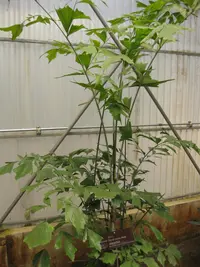
Install a sturdy stake or slim tripod when the plant is still young so the developing trunk grows straight and stays stable as the canopy becomes heavier.

Manage Salt Build‑Up

Use occasional deep flushes with low‑salt water, allowing excess to drain freely, to reduce fertilizer salt accumulation that can scorch leaflet tips on this salt‑sensitive palm.

Protect From Wind

Provide windbreaks or plant in a sheltered spot so the large, delicate leaf segments are not shredded by strong winds, which can permanently disfigure the canopy.

Monitor Leaf Drop

Track normal aging and shedding of the oldest leaves so any sudden increase in frond loss is noticed early and investigated for root issues, drought stress, or nutrient imbalance.

Plan Final Spacing

Allow generous horizontal room for the mature crown and keep hardscape or neighboring trees out of the future canopy zone to avoid later conflicts as you are growing Caryota maxima.

Common Pests and Diseases

Red palm weevil

This pest tunnels into the trunk and crown, causing internal damage that leads to wilting fronds, crown collapse, and eventual death if untreated.

Solution

Remove and destroy heavily infested plants that show a soft, collapsing crown, and monitor nearby palms closely. In areas where this borer is present, use a systemic insecticide labeled for palms as a preventive trunk or crown drench, and avoid wounding the trunk, which attracts egg-laying females.

Palm leaf beetles

These insects chew large holes and notches in the leaflets, giving the bipinnate fronds a ragged, shredded appearance and reducing the plant’s ability to photosynthesize.

Solution

Hand-pick adult beetles where practical and prune out heavily damaged fronds to reduce feeding pressure. For persistent infestations, apply a contact insecticide or horticultural soap thoroughly to both sides of the leaflets, repeating as needed according to label directions while also reducing nearby weedy host plants.

Scale insects

This pest attaches along the leaf stalks and undersides of leaflets, sucking sap and causing yellowing, sticky honeydew deposits, and sooty mold growth on the foliage.

Solution

Wipe or gently scrub infested areas with a cloth or soft brush dipped in diluted alcohol or insecticidal soap, repeating every 7–10 days until new growth is clean. In larger plantings or severe cases, use an appropriate systemic insecticide and reduce plant stress by providing stable moisture and proper light to support natural resistance as part of general Caryota maxima care instructions.

Fusarium wilt

This disease causes one-sided yellowing and browning of fronds, often starting on older leaves, followed by progressive wilting and death of the crown.

Solution

Remove and destroy affected fronds and any dead palms, and avoid moving contaminated soil or tools between palms. There is no reliable cure in advanced cases, so focus on prevention by sourcing disease-free plants, improving soil drainage, and sterilizing pruning tools between plants.

Ganoderma butt rot

This disease attacks the lower trunk and root flare, leading to gradual decline, reduced new growth, and formation of hard, bracket-shaped mushrooms at the trunk base.

Solution

Once conks appear there is no effective treatment, so remove and dispose of the entire palm, including as much of the stump and roots as possible. Do not replant another palm in the same spot, and improve site drainage and avoid trunk injuries in nearby palms to reduce future infections.

Interesting Facts

High-elevation native range

This palm is naturally distributed in montane forests of northern Thailand, Myanmar, and neighboring regions, often occurring at higher elevations than many other fishtail palms, which contributes to its relatively good tolerance of cooler conditions compared with many tropical palms.

Massive solitary trunk

Unlike some other Caryota species that form clumps, this species typically develops a single, robust trunk that can reach large diameters, giving it a distinct architectural presence in mature landscapes.

Monocarpic flowering habit

Like its close relatives, this palm is monocarpic at the trunk level: a given stem flowers only once in a sequence from the top downward over several years, sets fruit, and then dies, while in this species that entire reproductive process can be notably prolonged due to its size.

Botan icon

Did you know?

In suitable conditions outdoors, this species can reach exceptional heights of around 20–25 m, making it one of the largest commonly cultivated fishtail palms and a dominant canopy component where it is grown as a landscape tree.

FAQs about Caryota maxima

Growth is moderately fast in warm climates, often adding 30–90 cm of trunk per year once established. Rate depends on heat, water, and nutrients. Cooler temperatures, root disturbance, or drought can slow development significantly.

Grow Healthy Plants with Botan Care

Keep your plants happy and healthy with plant identification, disease detection, and easy care guidance.

Botan plant care app — identify plants on mobile

Explore More Plants