jaggery palm Care (Caryota urens)

Also known as: Toddy Palm, Wine Palm, Fishtail Palm, Solitary fishtail palm
jaggery palm

About jaggery palm

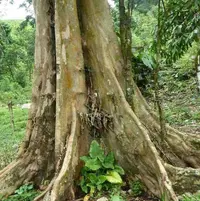
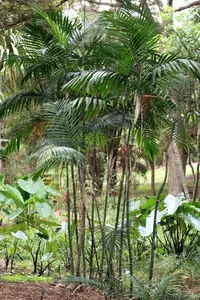
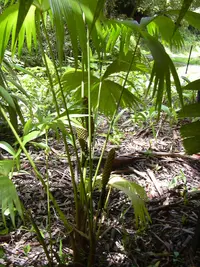
Jaggery palm, Caryota urens, is a fast-growing, solitary-trunk palm known for its distinctive fishtail-shaped leaflets and tall, upright form. It is often used as a striking focal tree in large gardens and landscapes.

This species is native to tropical Asia, especially India and Sri Lanka, where it grows in warm, humid forests and cultivated areas. It flowers only once near the end of its life, then the trunk slowly dies.

The jaggery palm prefers bright light, regular moisture, and well-drained soil, and it can grow quite large, which limits its use in small spaces. Understanding how to care for jaggery palm helps plant owners decide if they have enough room and the right climate for it.

Main Plant Requirements

Care Difficulty

Moderate Care

Light Preference

Full Sun

Water Requirements

Regular Water

Temperature Preference

Tropical / Frost Sensitive

Hardiness Zone

10–11

Soil Texture

Sandy, Loamy, Organic-rich

Soil pH

Acidic (5.5–6.5), Slightly acidic (6.5–7.0)

Soil Drainage

Moist but well-drained

Fertilization

Light (every 4–6 weeks)

Get Personalized Care Plan

Scan your plant to receive care tips personalized for your specific plant

Available on iOS and Android

How to Care for the jaggery palm

This tall palm thrives in bright, tropical-style light with some protection from harsh extremes.

  • Provide 4–6 hours of direct morning sun with filtered or dappled light for the rest of the day, especially in hot climates.
  • It tolerates light to medium partial shade, but growth slows and fronds thin if it receives less than 3–4 hours of strong light.
  • In summer, strong afternoon sun can scorch fronds, while low winter sun angles may require a more open site for jaggery palm.

This species prefers steadily moist but not waterlogged soil around its deep root system.

  • Allow the top 3–5 cm of soil to dry before deep watering so moisture reaches the full root zone without staying soggy.
  • Increase watering during hot, active growth when fronds expand quickly; reduce frequency in cooler months while still preventing the soil from fully drying out.
  • Watch for yellowing, limp fronds and sour-smelling soil as signs of overwatering, and crisp, browning leaflet tips as a sign of underwatering in Caryota urens.

This palm favors warm, frost-free conditions typical of lowland tropical climates.

  • Aim for 70–90°F (21–32°C) for best growth, with consistent warmth supporting faster trunk and frond development.
  • It tolerates brief drops to about 40°F (4–5°C), but leaf damage appears near this point and prolonged exposure can weaken the plant.
  • Frost below 32°F (0°C) can kill fronds and severely injure the growing tip, while extreme heat above 100°F (38°C) demands extra soil moisture and some afternoon shade.

This palm prefers moderately high humidity and reacts to very dry air.

  • Aim for 50–60% humidity; it tolerates brief dips lower but prolonged very dry air weakens growth.
  • Crisp leaflet tips, brown edges, and slow unfolding fronds indicate humidity stress rather than underwatering.
  • Increase moisture around jaggery palm with grouped plants, a pebble tray kept wet below the pot base, or a cool-mist humidifier.

Caryota urens needs deep, well-aerated soil that drains quickly yet holds some moisture.

  • Use a loamy, organic-rich mix combining roughly 50% composted bark or leaf mold, 30% coarse sand, and 20% perlite.
  • Ensure rapid drainage so water does not pool around the root zone, which encourages root rot and trunk base decay.
  • Target a slightly acidic to neutral pH around 6.0–7.0 for best nutrient availability and stable growth.
  • Avoid compacted clay, fine peat-heavy mixes, or any soil that stays wet for more than 24 hours after thorough watering.

This species can be grown in large containers for a limited time, especially when young.

  • Choose a wide, heavy container that resists tipping as the crown becomes tall and top-heavy.
  • Select a pot deep enough to allow strong, vertical root development, not shallow tubs that restrict anchoring.
  • Use thick-walled ceramic or concrete containers in windy sites to improve stability and reduce sudden moisture swings.

Caryota urens benefits from moderate, consistent feeding during its active growing season.

  • Use a balanced, slow-release palm fertilizer or compost with roughly equal NPK ratios for container or landscape specimens.
  • Apply every 6–8 weeks in spring and summer, lightly scratching granules into the soil and watering in well.
  • Reduce feeding to 1 light, half-strength application in fall and stop during cold winter months, especially for jaggery palm indoor care.
  • For liquid feeds, dilute to 1/2–1/4 strength to limit salt buildup and root burn in pots.

Pruning Caryota urens focuses on safety and hygiene rather than shaping the canopy heavily.

  • Carry out pruning in late winter or early spring, before strong new growth starts.
  • Remove only dead, diseased, or badly damaged fronds, cutting them close to the trunk without injuring live tissue.
  • Thin crowded, crossing flower stalks or severely rubbing fronds to improve air flow and light penetration.
  • Use clean, sharp loppers or a pruning saw, disinfecting blades between cuts to limit disease spread.

This palm is usually landscape-grown, so transplanting young plants correctly is more important than frequent repotting.

  • Transplant when roots circle the pot, growth slows, or the plant becomes unstable in its container.
  • Plan moves for warm seasons, typically late spring to early summer, when soil temperatures are rising.
  • Shift into a hole or pot just 1–2 sizes larger, keeping the root ball intact and at the same soil level.
  • Water deeply after transplanting, shade for 1–2 weeks, and maintain evenly moist but not waterlogged soil to reduce root stress.

Propagation of Caryota urens is almost always done from seed and requires patience and warmth.

  • Collect ripe seeds from mature fruits, wearing gloves to avoid skin irritation from the fruit pulp.
  • Sow in late spring or summer in a well-drained, sterile mix, barely covering the seeds.
  • Maintain 75–85°F soil temperature, high humidity, and consistently moist but not soggy conditions for germination.
  • Expect slow, uneven sprouting; discard weak seedlings and pot up strong ones carefully once they develop several true leaves.

Caryota urens is tropical to subtropical and needs protection in regions with freezing winters.

  • Avoid exposure below about 30°F; prolonged or hard frost can kill foliage and damage the crown.
  • Mulch the root zone with 5–8 cm of coarse organic material to buffer soil temperatures.
  • Wrap the trunk and central crown with breathable frost cloth during cold snaps in marginal climates.
  • Move container-grown plants indoors or into a heated greenhouse before the first frost and reduce watering in low light.

Care Tips

Root zone mulching

Apply a 5–8 cm layer of coarse organic mulch around the root zone, keeping it 10–15 cm away from the trunk, to stabilize soil moisture and protect shallow feeder roots from heat stress.

Wind stress management

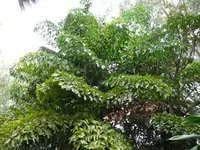
In windy sites, install a sturdy windbreak or plant near a solid fence or building to reduce frond shredding and trunk sway that can weaken the root plate over time.

Support for heavy fronds

On young or newly transplanted specimens, loosely brace the trunk and, if needed, discreetly support the heaviest fronds with soft ties to prevent mechanical damage while the root system establishes.

Salt exposure control

In coastal areas, site the plant where it is partially shielded from direct salt-laden winds and irrigate occasionally with deep, fresh-water soakings to leach accumulated salts from the root zone.

Safe access planning

When growing jaggery palm, position it well away from walkways, roofs, and utilities so that the eventual large, arching fronds and heavy flowering clusters can be maintained or removed safely as the palm matures.

Common Pests and Diseases

Red palm weevil

This pest is a serious borer whose larvae tunnel inside the trunk and leaf bases, causing wilting, yellowing, and eventual collapse of the crown. Symptoms include oozing gum, fermented smell, and holes with chewed fibers at the base or along the stem.

Solution

Remove and destroy heavily infested plants to prevent spread, and prune out and dispose of affected fronds and tissue where possible. For remaining plants, monitor regularly, use pheromone traps where available, and apply a systemic insecticide labeled for palm borers into trunk injection points or crown as per local extension guidance.

Rhinoceros beetle

This pest damages palms by boring into the crown and young spear leaves, leaving V-shaped cuts and shredded new growth. Severe feeding can deform the canopy and slow growth in Caryota urens care.

Solution

Inspect the crown and leaf bases at night or early morning and manually remove adult beetles where feasible. Reduce breeding sites by removing decaying organic matter and old stumps nearby, and protect the crown with physical barriers or targeted applications of a suitable insecticide or biological control such as entomopathogenic fungi, following label directions.

Palm leaf spot

This disease causes small water-soaked spots on leaflets that enlarge into brown or tan lesions, often with a yellow halo and sometimes coalescing to blight whole sections. Symptoms include premature browning and drop of older fronds under humid conditions.

Solution

Remove and discard affected fronds to reduce inoculum, and avoid wetting the foliage when watering. Improve air movement around the palm and, in persistent or severe cases, apply a copper-based or other palm-labeled fungicide according to label instructions and local regulations.

Scale insects

These insects appear as small, fixed bumps along leaf stalks, midribs, and sometimes on the trunk, sucking sap and causing yellowing, sticky honeydew, and sooty mold on foliage. Heavy infestations weaken the palm over time and can stunt growth.

Solution

Wipe or gently scrub infested areas with a soft cloth or brush dipped in water with a little mild soap, then rinse well. If populations remain high, introduce natural enemies such as ladybird beetles outdoors where appropriate, or use a horticultural oil or systemic insecticide labeled for palms, ensuring thorough coverage of leaf undersides and petioles.

Coconut mite

This pest feeds on young leaf tissue and developing inflorescences, leading to distorted new fronds, bronzing, and a rough, scorched appearance on affected areas. Infestations are often more visible on tender growth and can reduce vigor and ornamental quality.

Solution

Prune and dispose of heavily damaged young fronds and inflorescences to reduce mite populations. Increase plant health with consistent watering and nutrition, and where needed use a miticide specifically labeled for palms, rotating active ingredients to avoid resistance and ensuring good coverage of young emerging tissue.

Interesting Facts

Monocarpic giant palm

This species flowers only once at the end of its life, producing a massive sequence of hanging inflorescences, then the entire palm dies after setting seed.

Stinging fruit sap

The fruit contains calcium oxalate crystals that can cause an intense burning or stinging sensation on skin or mucous membranes if handled or eaten without proper preparation.

Sweet sap for jaggery

The inflorescences are traditionally tapped in South Asia to collect sugary sap, which is boiled down to produce a solid sugar known as jaggery.

Botan icon

Did you know?

In parts of Sri Lanka and southern India, extremely tall Caryota urens trunks have historically been used as living supports for climbing crops such as black pepper, creating vertical multi‑layered cropping systems around a single palm.

FAQs about jaggery palm

Brown tips usually come from low humidity, salt buildup from fertilizer, or inconsistent watering. Flush the soil with clean water, reduce fertilizer frequency, and maintain steady moisture without waterlogging to prevent further leaf-tip burn.

Grow Healthy Plants with Botan Care

Keep your plants happy and healthy with plant identification, disease detection, and easy care guidance.

Botan plant care app — identify plants on mobile

Explore More Plants