Brown Birch-bolete Care (Leccinum scabrum)

Brown Birch-bolete

About Brown Birch-bolete

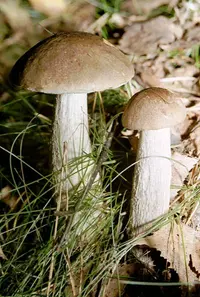
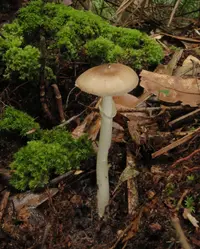
The brown birch bolete, Leccinum scabrum, is a mycorrhizal fungus that forms a symbiotic relationship with birch trees rather than growing as a typical garden plant. It produces medium to large brown caps with a pale underside and a slender, speckled stem, often appearing in groups near birch trunks. This species is native to and widespread across temperate regions of Europe, Asia, and North America wherever birch stands are present. It is not practical to cultivate in regular garden beds or containers, so most guides on how to care for Brown Birch-bolete focus on conserving suitable birch woodland habitat and undisturbed soil.

Main Plant Requirements

Care Difficulty

Hard Care

Light Preference

Partial Shade

Water Requirements

Keep Soil Moist

Temperature Preference

Cool Climate

Hardiness Zone

2–7

Soil Texture

Loamy, Sandy, Organic-rich

Soil pH

Strongly acidic (4.5–5.5), Acidic (5.5–6.5)

Soil Drainage

Moist but well-drained

Fertilization

Minimal (feed rarely)

Get Personalized Care Plan

Scan your plant to receive care tips personalized for your specific plant

Available on iOS and Android

How to Care for the Brown Birch-bolete

This mycorrhizal fungus prefers woodland light conditions rather than open, full-sun exposure.

  • Provide dappled or filtered light under birch trees, with 2–4 hours of gentle morning sun and bright shade the rest of the day for stable fruiting of Brown Birch-bolete.
  • Avoid intense midday and afternoon sun in open ground, which can dry the upper soil layer and shorten the lifespan of fruiting bodies.
  • In summer, rely on canopy shade as leaves fully develop; in early spring or late autumn, brief low-angle sun is acceptable but prolonged direct exposure still stresses the fungus.

This fungus depends on consistent, naturally moist soil rather than direct watering of the fruiting bodies.

  • Aim for evenly moist, not saturated, soil around host birch roots; the top 2–5 cm should feel slightly damp but not sticky or waterlogged.
  • Use well-drained, humus-rich forest soil; standing water, sour odor, or slimy soil indicate overwatering and can damage the mycelium of Leccinum scabrum.
  • During dry, warm periods, irrigate the surrounding birch area deeply but infrequently, allowing partial drying between soakings; cracked soil and slow or absent mushrooms suggest insufficient moisture.

This species thrives in cool to mild conditions typical of temperate birch woodlands.

  • Optimal fruiting occurs around 55–68°F (13–20°C), with mycelium growth active across a broader cool range when soil moisture is stable.
  • It tolerates short dips near 32°F (0°C) in soil but repeated hard frosts below 28°F (-2°C) will halt fruiting and may damage exposed mushrooms.
  • Prolonged heat above 77–82°F (25–28°C), especially with dry soil, reduces fruiting; partial shade, leaf litter, and soil moisture help buffer temperature swings through the season.

Leccinum scabrum relies on ambient outdoor humidity and does not need special humidity management in typical temperate climates.

This mycorrhizal fungus depends on naturally structured, moist but free-draining mineral soil around birch roots.

  • Aim for a loamy to sandy, organic-rich soil that retains moisture yet drains freely, similar to undisturbed woodland ground.
  • Maintain slightly acidic conditions, around pH 5.0–6.5, which favor both birch growth and mushroom formation.
  • In planting areas, mix leaf mold or fine compost into the top 10–15 cm to improve structure and support fungal colonization.
  • Avoid compacted, waterlogged, or heavily fertilized soils, which reduce aeration and can suppress fruiting bodies.

This species is not suitable for container growing because it requires a stable mycorrhizal association with birch roots in open ground.

Leccinum scabrum forms a mycorrhizal partnership with birch roots and does not benefit from conventional fertilization.

Pruning is not applied to Leccinum scabrum, since it is a wild mycorrhizal mushroom rather than a woody or leafy plant.

Transplanting Brown Birch-bolete is rarely successful because this fungus depends on an undisturbed mycorrhizal association with birch roots.

  • Avoid lifting or moving soil blocks containing the fungus, as disturbing the root–fungus interface usually stops fruiting.
  • If relocation is attempted, move young birch seedlings together with their surrounding native soil in early spring or fall.
  • Keep transplanted birch in similar light, moisture, and soil conditions to support the existing fungal network.

Propagation of Leccinum scabrum is challenging because it must establish mycorrhizae with suitable birch hosts.

  • Use spore-based methods only, spreading pieces of fresh caps or spore prints around young birch in natural or semi-natural soil.
  • Carry this out in late summer to early fall when soil is moist and temperatures are mild.
  • Maintain undisturbed leaf litter and avoid fungicides so fungal hyphae can colonize the root zone.

Leccinum scabrum is fully cold hardy in its natural range and needs no targeted winter care.

Care Tips

Use birch companions

Establish new birch saplings or maintain existing birch trees in the area, since this mushroom depends on a living birch root system for its mycorrhizal partnership and will not fruit without it.

Minimize soil disturbance

Avoid digging, rototilling, or compacting the ground in the fruiting zone around birch roots so the underground mycelium network stays intact and can build up strength for regular cropping.

Retain natural leaf litter

Leave a thin layer of birch leaves and small twigs on the soil surface instead of clearing it completely, as this helps maintain moisture and a favorable microclimate for the fungal mycelium.

Create gentle shade

Allow light shrub cover or low ground vegetation to remain around the birch, which moderates soil temperature and slows evaporation without blocking all light from reaching the host tree.

Plan long-term observation

Mark spots where fruiting bodies appear and keep simple yearly notes, because consistent records help fine-tune how to take care of Brown Birch-bolete habitat, such as where traffic or mowing should be reduced.

Common Pests and Diseases

Mycophagous larvae

This pest targets fruiting bodies, with fly and beetle larvae tunneling through caps and stems, making mushrooms soft, discolored, and wormy.

Solution

Harvest mushrooms promptly when young and firm, trim away visibly infested tissue in the field, and discard heavily tunneled specimens. Maintain good hygiene in the collecting area by leaving decayed fruiting bodies on site rather than in baskets to limit spread of larvae to sound mushrooms.

Slug and snail damage

This pest feeds on the surface of the caps, creating ragged holes, slime trails, and shallow gouges that quickly invite secondary decay.

Solution

Collect fruiting bodies early in the day before slug activity peaks, and avoid leaving cut stems and damaged mushrooms on the ground, which attract more mollusks. Simple barriers such as coarse sand or grit around small cultivation beds can reduce access where someone tries growing Brown Birch-bolete near birch hosts.

Bacterial soft rot

This disease causes rapid softening and water-soaked patches on caps and stems, often with a sour or unpleasant odor, especially in warm, humid conditions or after heavy rain.

Solution

Pick only firm, undamaged mushrooms and handle them gently to avoid bruises that allow bacteria in. Use breathable containers such as mesh baskets, avoid stacking mushrooms deeply, and cool or process the harvest quickly to slow bacterial growth.

Parasitic bolete mold

This disease appears as dense, often whitish to pale mold over parts of the cap or pores, eventually collapsing the fruiting body and making it unusable.

Solution

Leave visibly moldy mushrooms in place and avoid mixing them with healthy specimens, since spores spread easily through close contact. In any semi-managed setting, remove heavily infected fruiting bodies and dispose of them away from collecting or drying areas to reduce local spore load.

Interesting Facts

Birch specialist fungus

This bolete forms ectomycorrhizal partnerships almost exclusively with birch trees, exchanging mineral nutrients from the soil for sugars produced by the tree, which is why it is rarely found far from birch stands.

Distinctive scabered stem

The stem is covered with dark, roughened scales called scabers that give the species its name and help distinguish it from many other brown boletes in the field.

Color change when cut

When the flesh is cut, it typically shows only very slight or slow color change compared with many other Leccinum species, which often turn strongly blue or black, making this a useful identification feature.

Botan icon

Did you know?

This species is considered an indicator of healthy birch woodland soils in parts of Europe, because it tends to be abundant where birch trees grow in relatively undisturbed, moderately nutrient-poor conditions and often declines when sites are heavily fertilized or compacted.

FAQs about Brown Birch-bolete

This species is generally considered an edible wild mushroom when correctly identified and thoroughly cooked. However, some people report mild digestive upset. Always avoid eating specimens that are old, decomposing, infested, or confused with similar toxic boletes.

Grow Healthy Plants with Botan Care

Keep your plants happy and healthy with plant identification, disease detection, and easy care guidance.

Botan plant care app — identify plants on mobile

Explore More Plants