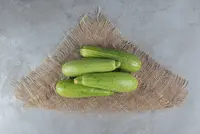
Best Soil for zucchini (Cucurbita pepo)

A loose, moisture-retentive, well-drained mix helps Cucurbita pepo develop strong roots and maintain steady, healthy growth.

Soil Texture

Loamy, Sandy, Organic-rich

Soil pH

Acidic (5.5–6.5), Slightly acidic (6.5–7.0)

Soil Drainage

Moist but well-drained

Cucurbita pepo Soil Guide

Native to the Americas, Cucurbita pepo evolved in warm growing areas with seasonally rich, workable soil. That background explains why zucchini performs best in loose, organic-rich ground that holds steady moisture without becoming heavy or waterlogged.

Its roots spread quickly through the upper soil and need both air and consistent access to water. The best soil for zucchini is loamy or sandy-loamy, with enough organic matter to support moisture retention and enough pore space for drainage, root growth, and steady early development.

A simple homemade blend can give Cucurbita pepo the balance of moisture retention and air space it needs for steady root growth.

100% total mix = 20 scoops
10%
perlite or pumice2 scoops
20%
coarse sand4 scoops
30%
finished compost6 scoops
40%
high-quality garden soil or raised bed soil8 scoops

The finished mix should feel crumbly and substantial, hold together lightly when squeezed, and let excess water move through without becoming dense.

A slightly acidic to near-neutral range of 5.5–7.0 suits zucchini well, with about 6.0–6.8 being a practical target for most gardens and containers.

In this range, key nutrients stay more available to Cucurbita pepo, especially nitrogen, phosphorus, and potassium. Slight variation is usually tolerated, but strongly acidic or alkaline soil can make nutrient uptake less efficient over time.

Fast growth can make this species react quickly when root conditions are off. Soil may be part of the issue, especially in containers or crowded beds.

Compacted soil:

Dense soil can slow root spread and leave the surface hard after watering; gently loosen the top layer and add more coarse, open material next time.

Staying soggy:

Wet soil that remains heavy for days may limit oxygen around roots; reduce how often moisture is added and check that excess can drain freely.

Drying too fast:

If the root zone becomes dry again very quickly, the mix may be too sandy or shallow; blend in more organic material to improve moisture holding.

Poor garden competition:

Zucchini can struggle in beds crowded by tree roots or nearby planting; clear a wider rooting area so soil resources are less contested.

Find the Right Soil

Botan helps match this plant to a more suitable soil setup by combining care guidance with plant identification support.

FAQ

Yes. Deeper soil gives roots more room to spread and helps moisture stay more even from top to bottom, which is useful for a fast-growing, heavy-feeding species in containers.

More Plant Soil Guides

Scan for Soil Problems

A photo-based assessment can help show whether soil conditions may be contributing to what appears above the surface. Use it as a starting point for closer checking.

Botan app helping with soil and plant care
How to Tell if a Plant Is Dead

6 min read · 19 Aug 2026

How to Tell if a Plant Is Dead

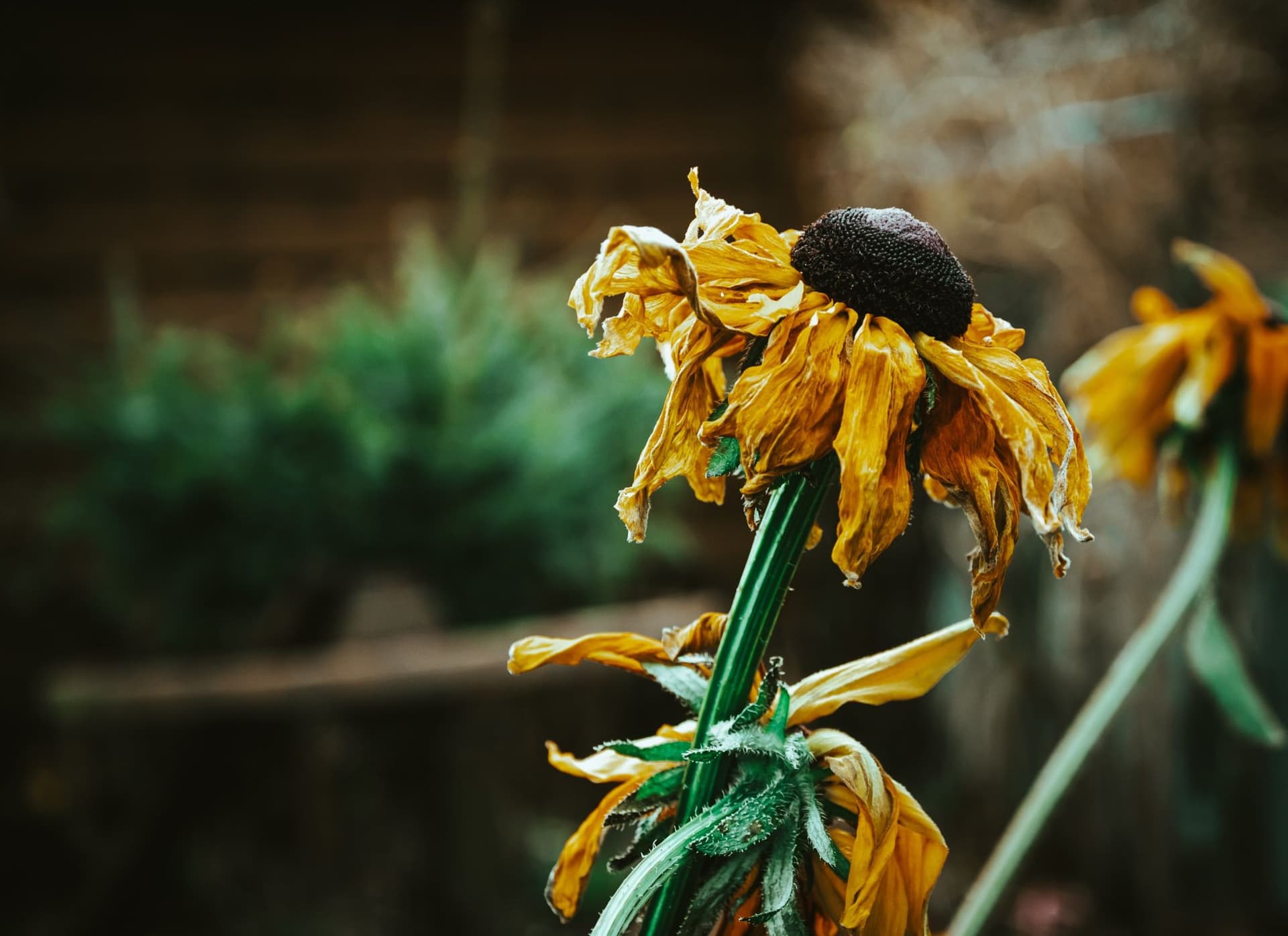
A plant can lose its leaves, stop growing, or collapse and still remain alive. A closer look at the stems, roots, bulbs, and tubers can show whether the plant still has a chance to recover.

Beginner Guides
How to Tell if a Plant Is Dead
When to Harvest Carrots: Timing, Signs, and How to Pick Them

6 min read · 23 Oct 2026

When to Harvest Carrots: Timing, Signs, and How to Pick Them

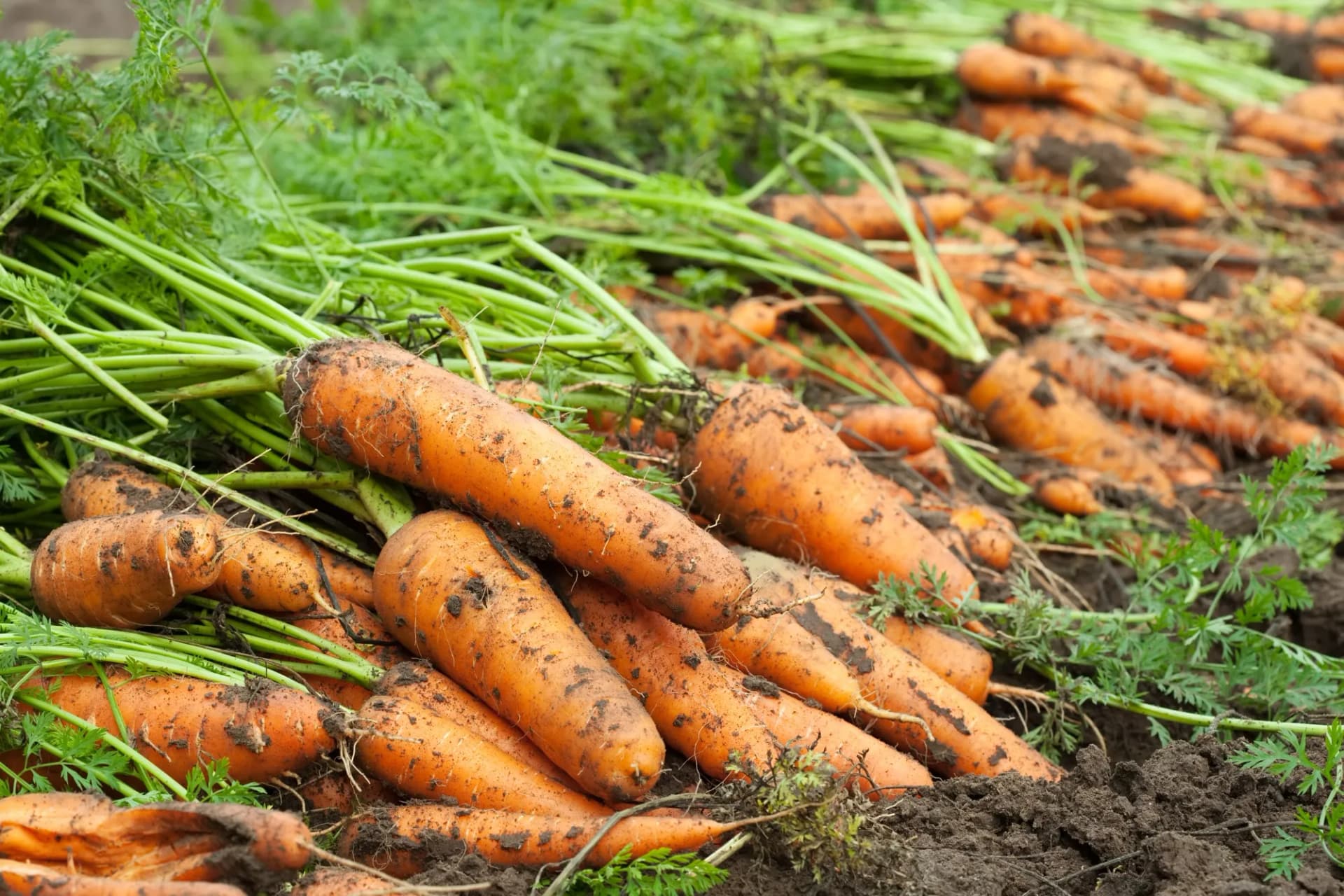
Carrots are usually ready 60-80 days after sowing them in the soil, depending on the variety. Learn how to recognize maturity signs, choose the right harvest season, pull carrots without damaging them, and store roots after picking.

Plant Care
When to Harvest Carrots: Timing, Signs, and How to Pick Them
Best Fertilizer for Vegetable Gardens – What to Use for Each Plant

11 min read · 20 Jul 2026

Best Fertilizer for Vegetable Gardens – What to Use for Each Plant

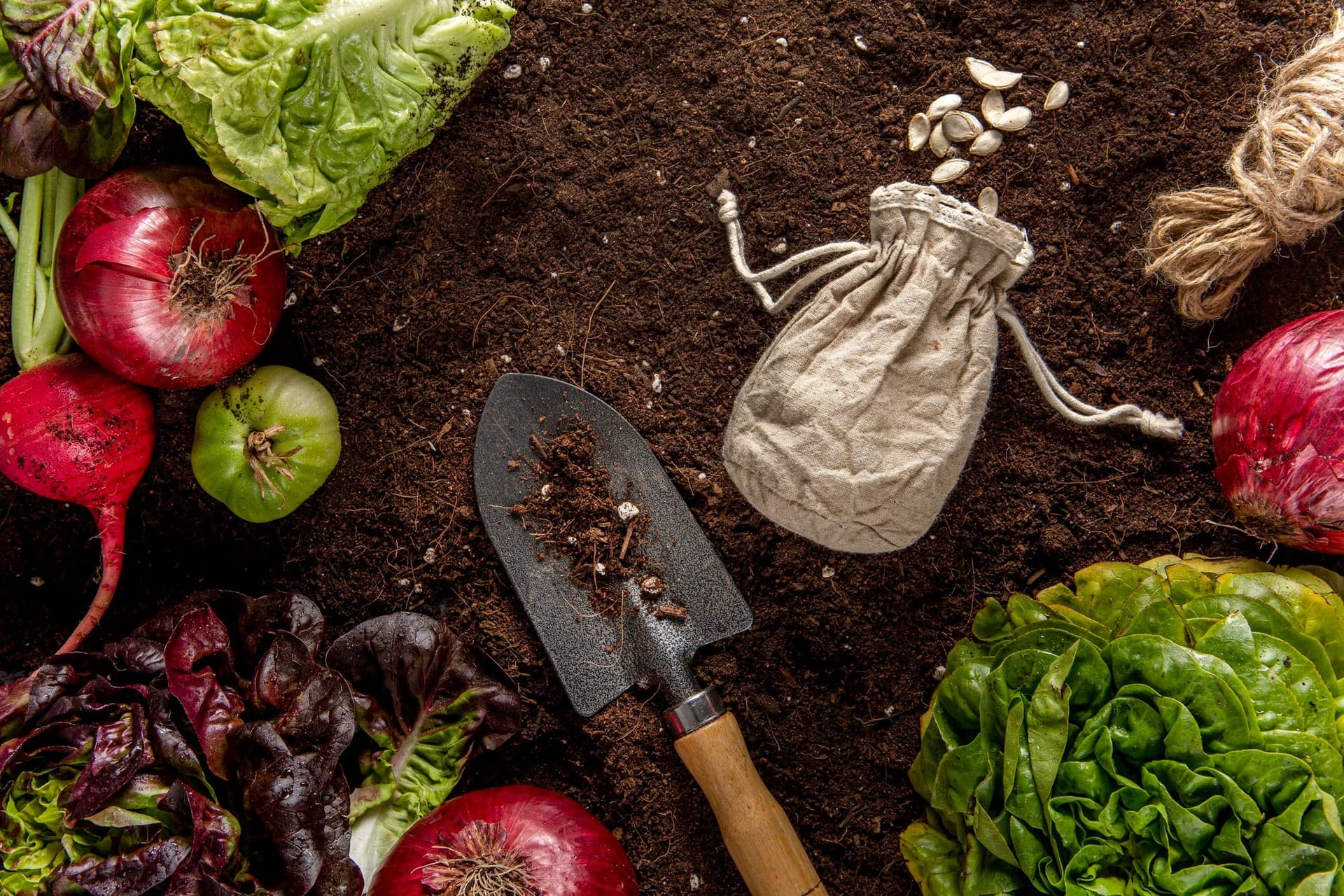
Here, you’ll find the right fertilizer formula for vegetables in your garden. Learn how to adjust feeding correctly throughout the growing cycle, spot nutrient deficiencies by their symptoms, and keep your plants healthy and prolific.

Plant Recommendations
Best Fertilizer for Vegetable Gardens – What to Use for Each Plant