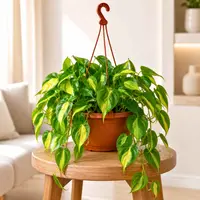
Best Soil for Philodendron (Philodendron 'Ring of Fire')

A loose, organic-rich mix with steady drainage helps Philodendron 'Ring of Fire' maintain healthier roots and more even growth.

Soil Texture

Loamy, Peaty, Organic-rich

Soil pH

Acidic (5.5–6.5), Slightly acidic (6.5–7.0)

Soil Drainage

Moist but well-drained

Philodendron 'Ring of Fire' Soil Guide

This aroid comes from tropical Central and South American rainforest conditions, where roots grow in loose leaf litter and airy organic material rather than dense ground. That background helps explain why Philodendron 'Ring of Fire' prefers soil that stays lightly moist but drains well.

Its roots benefit from oxygen around them, so the best soil for Philodendron has a loamy, peat-influenced texture with plenty of organic matter. This kind of substrate holds enough moisture for steady uptake, while its open structure reduces compaction and supports healthy root growth.


A simple homemade mix can give Philodendron 'Ring of Fire' the balance of moisture retention and airflow it prefers indoors.

100% total mix = 20 scoops
10%
compost or worm castings2 scoops
20%
perlite or pumice4 scoops
30%
orchid bark6 scoops
40%
peat moss or coco coir8 scoops

The finished blend should feel light, chunky, and springy, with water moving through easily while some moisture remains around the roots.

This species is sensitive to stale root conditions, especially when the growing medium stays dense for too long. Check the root zone before assuming a larger care issue.

Compacted mix:

Compacted mix: if the surface hardens and water lingers instead of moving through, gently loosen the top layer and review whether the medium has broken down too far.

Soggy root zone:

Soggy root zone: a heavy, sour-smelling container often points to poor airflow below the surface, so pause and confirm excess moisture is not being trapped.

Hydrophobic soil:

Hydrophobic soil: if very dry mix shrinks from the pot edge and resists wetting, re-moisten it gradually so the root ball can absorb moisture more evenly.

Fungus gnats:

Fungus gnats: repeated small flies around Philodendron often suggest persistently damp organic matter, so let the upper layer dry a bit more between checks.

Soil Help, Fast

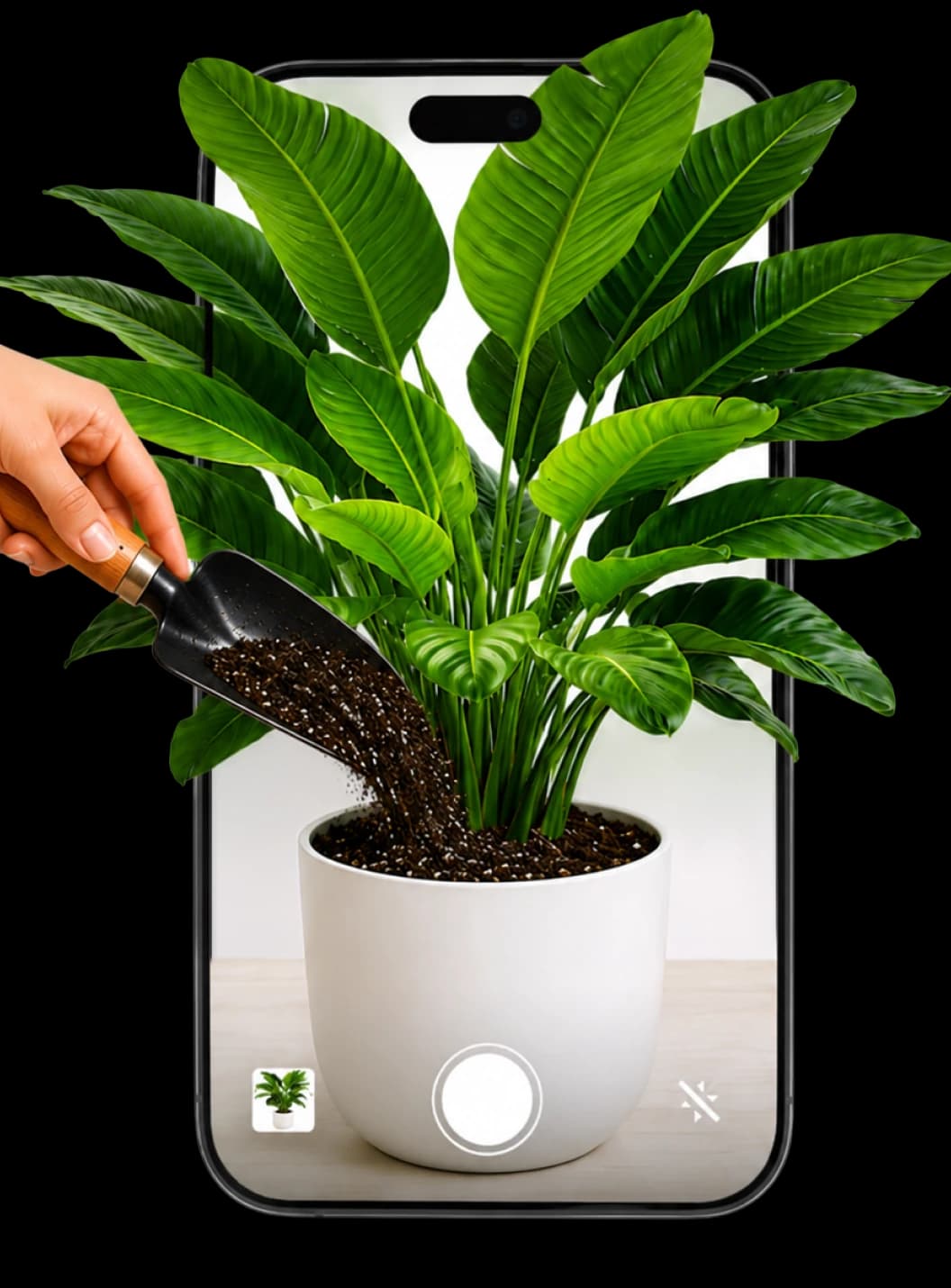
Botan helps match this plant to a more suitable growing medium, so soil choices are based on its needs, not guesswork.

FAQ

Yes. Drainage holes lower the risk of trapped excess moisture and stale conditions around the roots. They also make it easier to keep the growing medium in a healthier balance over time.

Everything About Philodendron

More Plant Soil Guides

See If Soil Is the Issue

A photo check can help show whether the growing medium may be contributing to the problem. Botan helps you narrow down likely causes.

Botan app helping with soil and plant care
How to Bottom Water Plants: Complete Guide

6 min read · 13 Jul 2026

How to Bottom Water Plants: Complete Guide

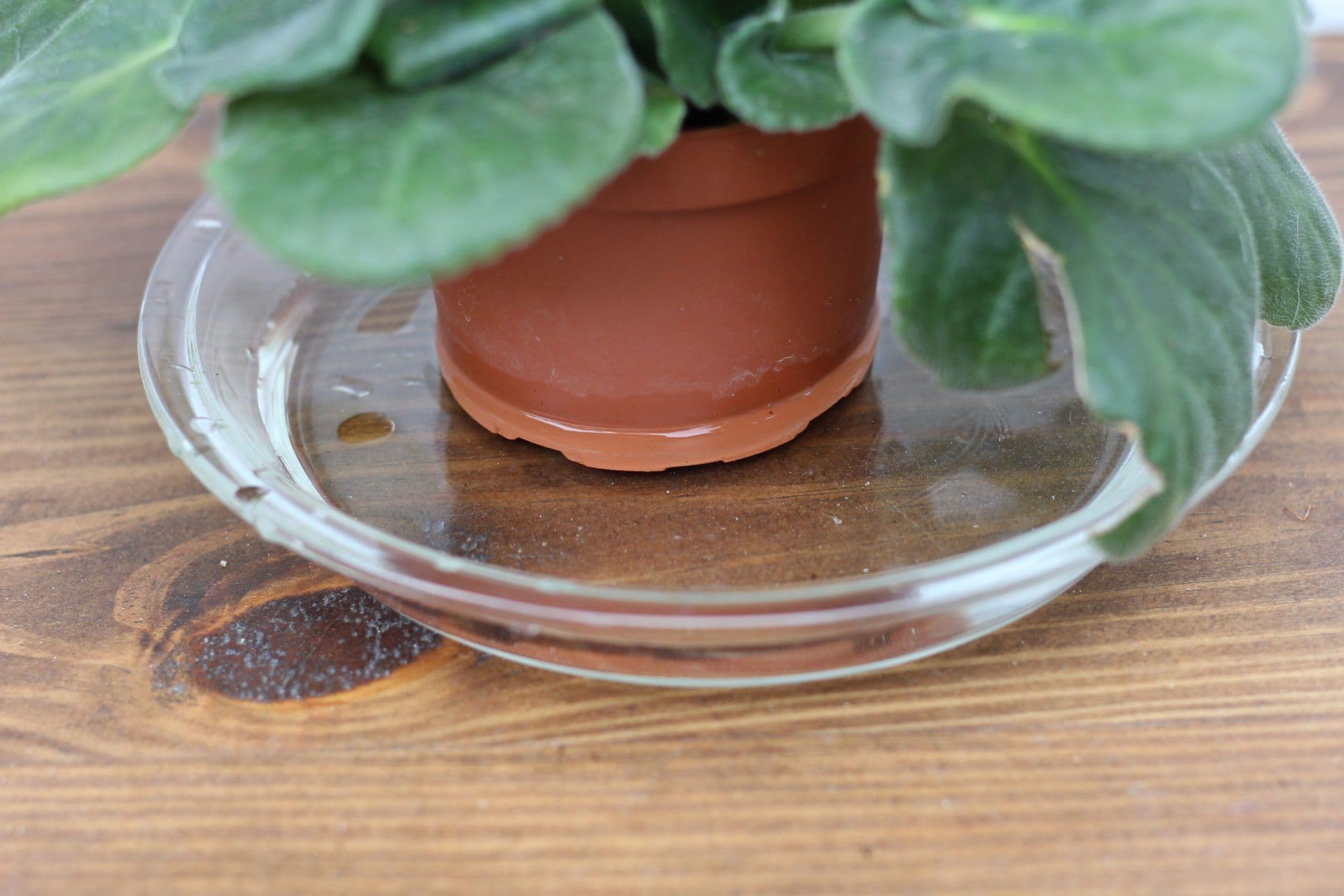
Bottom watering helps soil absorb moisture evenly and keeps foliage dry, reducing the risk of missed dry spots or root problems. Place the pot in a tray of water for a short time, then let it drain well.

Plant Care
How to Bottom Water Plants: Complete Guide
Best Time to Mow Lawn – A Complete Guide

5 min read · 10 Aug 2026

Best Time to Mow Lawn – A Complete Guide

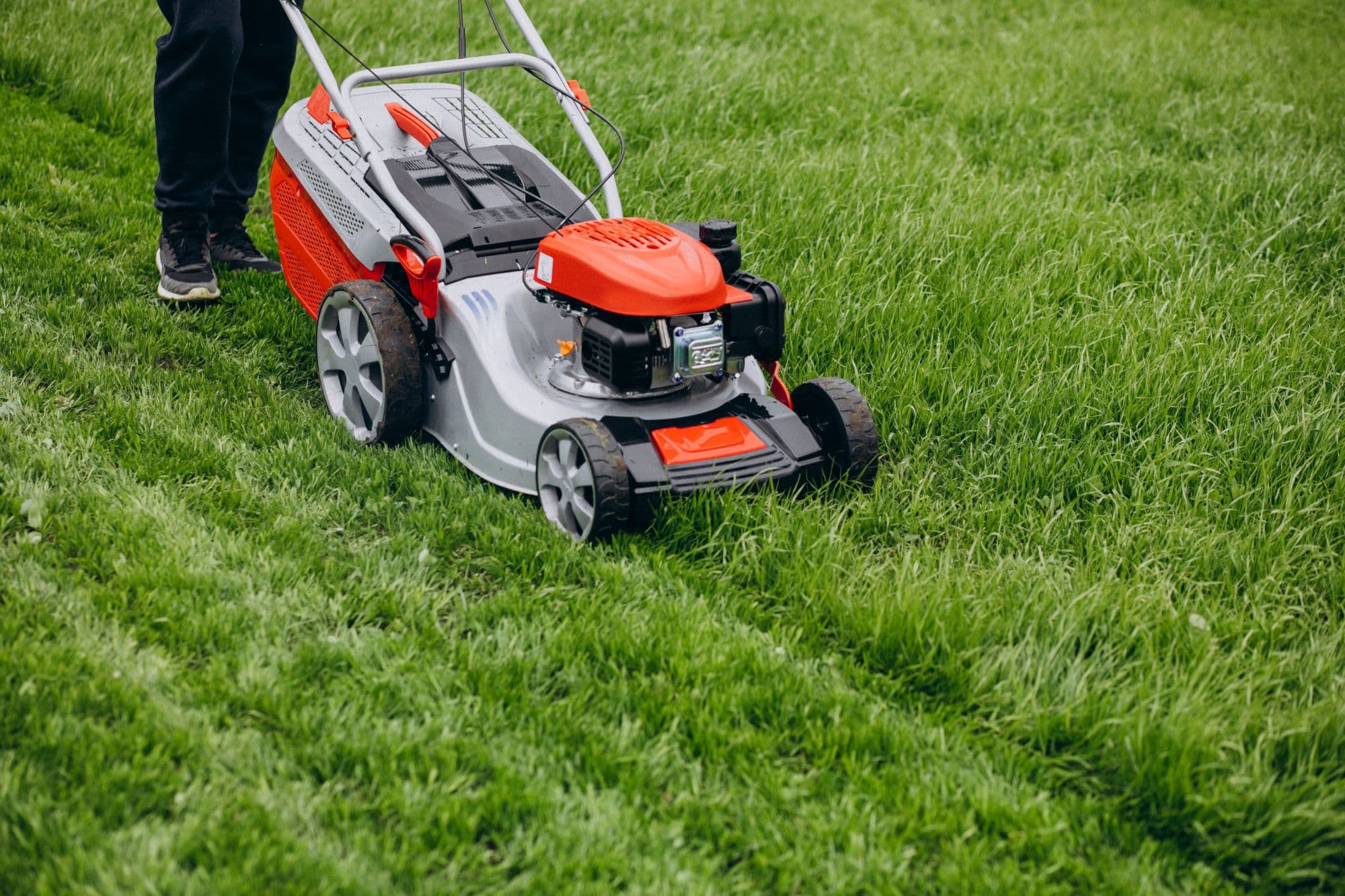
Explore when to mow your lawn for its health and a pleasant green color. Find out the best time for this task during the summer heat, and follow practical tips for correctly cutting the grass, and learn common mistakes to avoid.

Plant Care
Best Time to Mow Lawn – A Complete Guide
Frozen vs Fresh Vegetable Nutrients: Which Option Is Healthier?

6 min read · 8 Sept 2026

Frozen vs Fresh Vegetable Nutrients: Which Option Is Healthier?

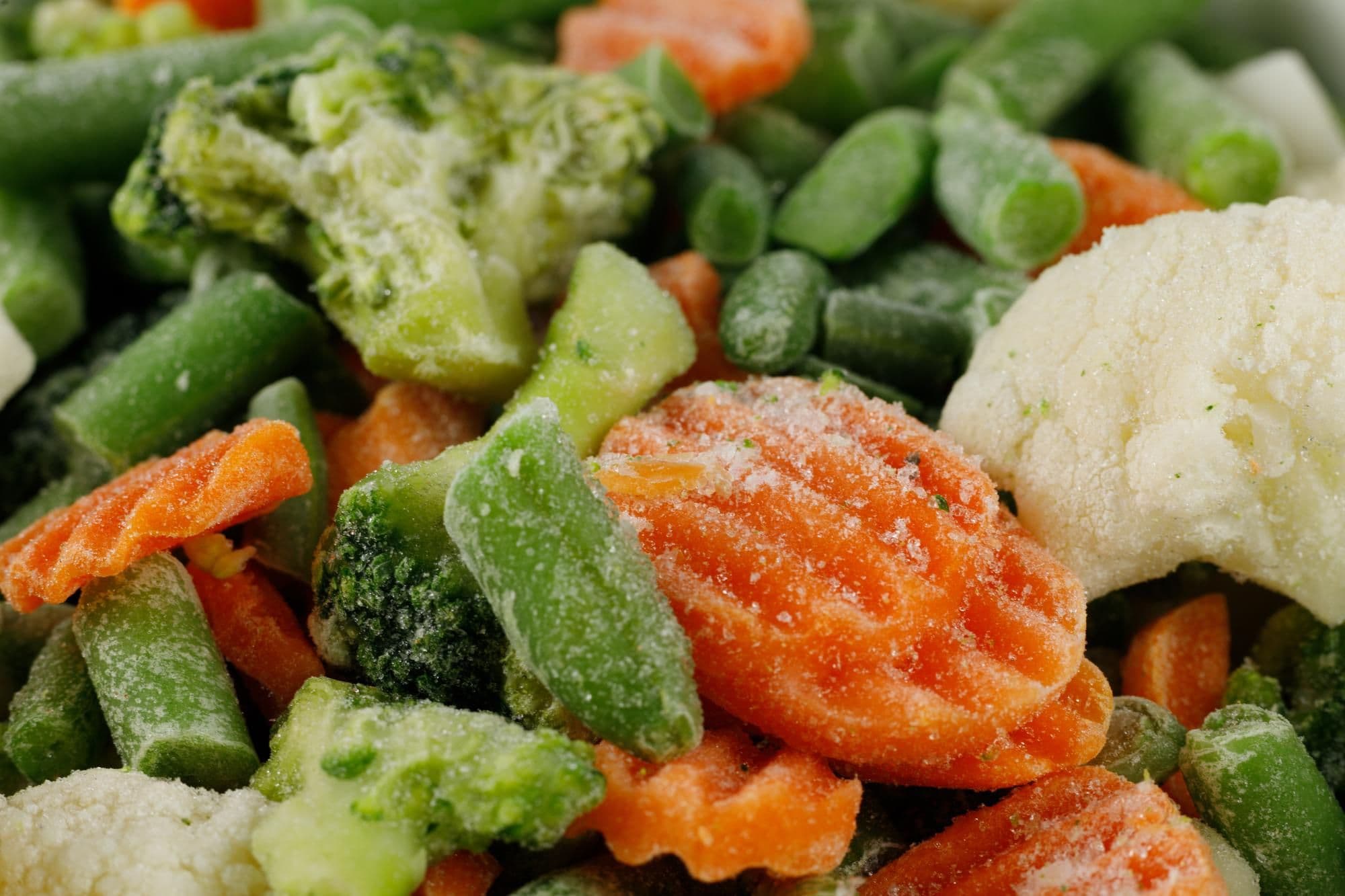
Frozen and fresh vegetables are nutritionally comparable: frozen produce often retains vitamins just as well as fresh and may sometimes contain more. Here’s how blanching and storage affect nutrients—and when to choose each.

Plant Recommendations
Frozen vs Fresh Vegetable Nutrients: Which Option Is Healthier?