7 min read · 6 Aug 2026
Planting Grass Seed in Summer – What Works and What Fails
Summer seeding succeeds when the grass type suits the season, and the soil stays moist. Find out how to prepare the seedbed and choose a safe window for planting.

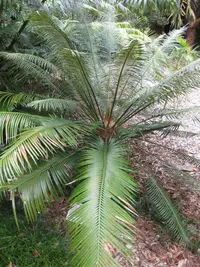
For strong root growth, Cycas seemannii needs loose, well-drained soil with a sandy-loamy texture and slightly acidic to neutral pH.

Soil Texture
Sandy, Loamy, Organic-rich

Soil pH
Slightly acidic (6.5–7.0), Neutral (7.0)

Soil Drainage
Well-drained

Native to Pacific islands including Fiji, Vanuatu, Tonga, and nearby coastal areas, Cycas seemannii grows in warm, bright conditions where water moves through the ground fairly quickly. That background points to Cycad soil that is airy, well-drained, and not dense or heavy.
A sandy to loamy texture with some organic richness suits its root system because it provides oxygen around the roots while holding moderate moisture. Like many cycads, it prefers soil that stays lightly moist but drains freely, with slightly acidic to neutral conditions supporting steady root function.

A simple custom blend gives better control over texture than many standard potting soils. For Cycas seemannii, aim for a mix that stays airy without drying into dust.
The finished mix should feel open, gritty, and lightly springy, with water moving through promptly instead of lingering around the roots.
A good target for Cycad is about 6.5–7.0 pH, which sits in the slightly acidic to neutral range. Within that window, key nutrients stay more available and easier for the roots to absorb.
It can usually handle small shifts around neutral, but strongly acidic or alkaline soil may reduce nutrient uptake over time. Keeping the pH near this range supports steadier overall soil performance.
This species is less forgiving of stale, airless root conditions than many houseplants. Cycad may struggle when soil structure breaks down or stays unevenly moist for too long.
Compaction: if the surface hardens and water drains slowly, gently loosen the top layer and plan to replace dense mix with a more open one.
Staying wet too long: if the pot feels heavy for days, check drainage and reduce moisture-holding material at the next soil change.
Dry pockets: if water runs down the sides without soaking in, re-wet the mix gradually so it can absorb moisture more evenly again.
Salt buildup: a crust on the soil surface suggests mineral residue, so scrape it off and flush the mix thoroughly when conditions allow.

Plant Soil Guide
Find the right soil mix for your plant and support healthier root growth
Botan can help identify the plant and guide a more suitable soil choice based on how its roots and growth habit typically respond.
Yes. This species benefits from enough depth to support its root system and keep the base stable, but excessive depth can leave lower soil layers slow to dry.
Soil may be one factor behind slow decline or weak growth. A photo check in Botan can help narrow down likely causes.


7 min read · 6 Aug 2026
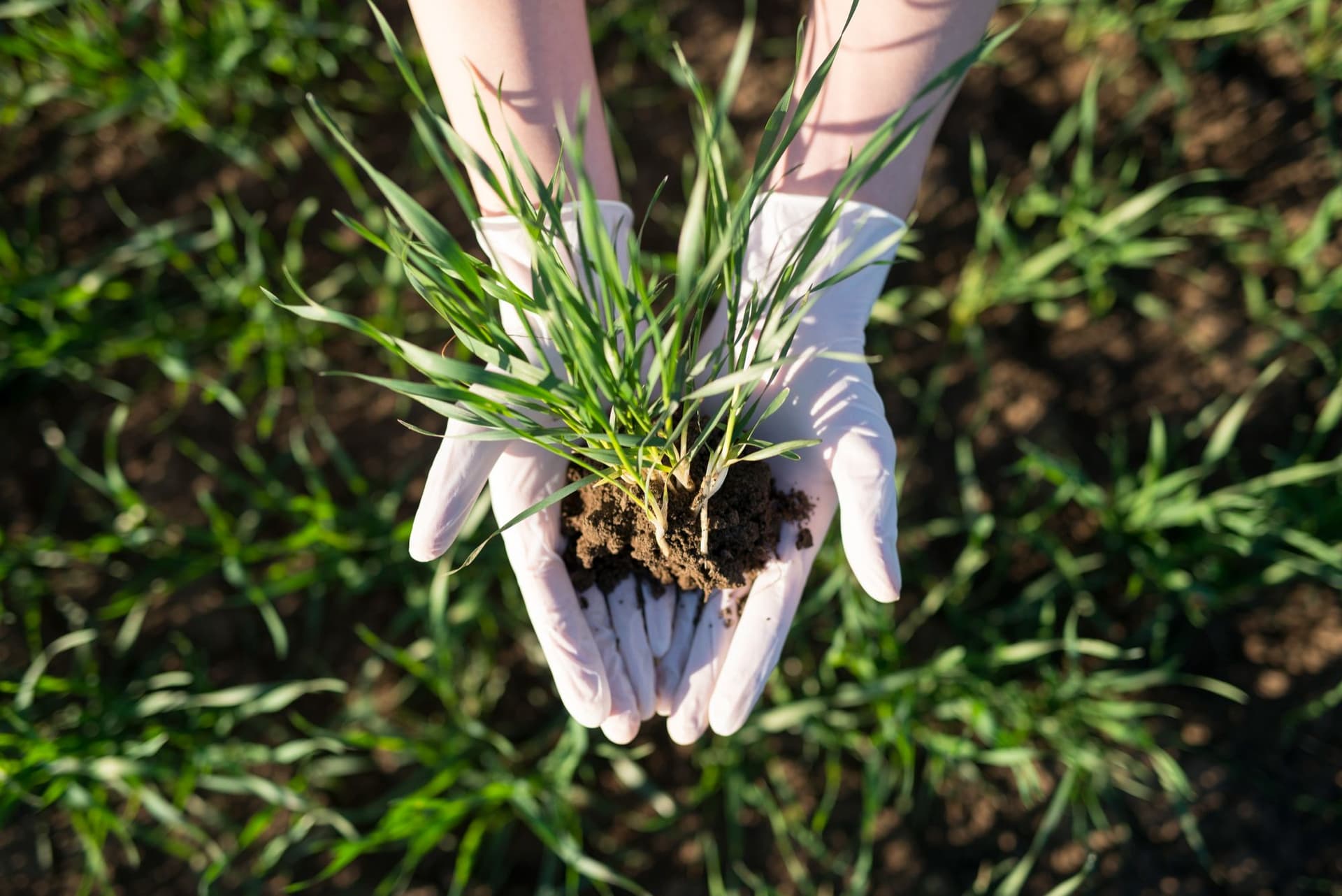
Summer seeding succeeds when the grass type suits the season, and the soil stays moist. Find out how to prepare the seedbed and choose a safe window for planting.

7 min read · 13 Aug 2026
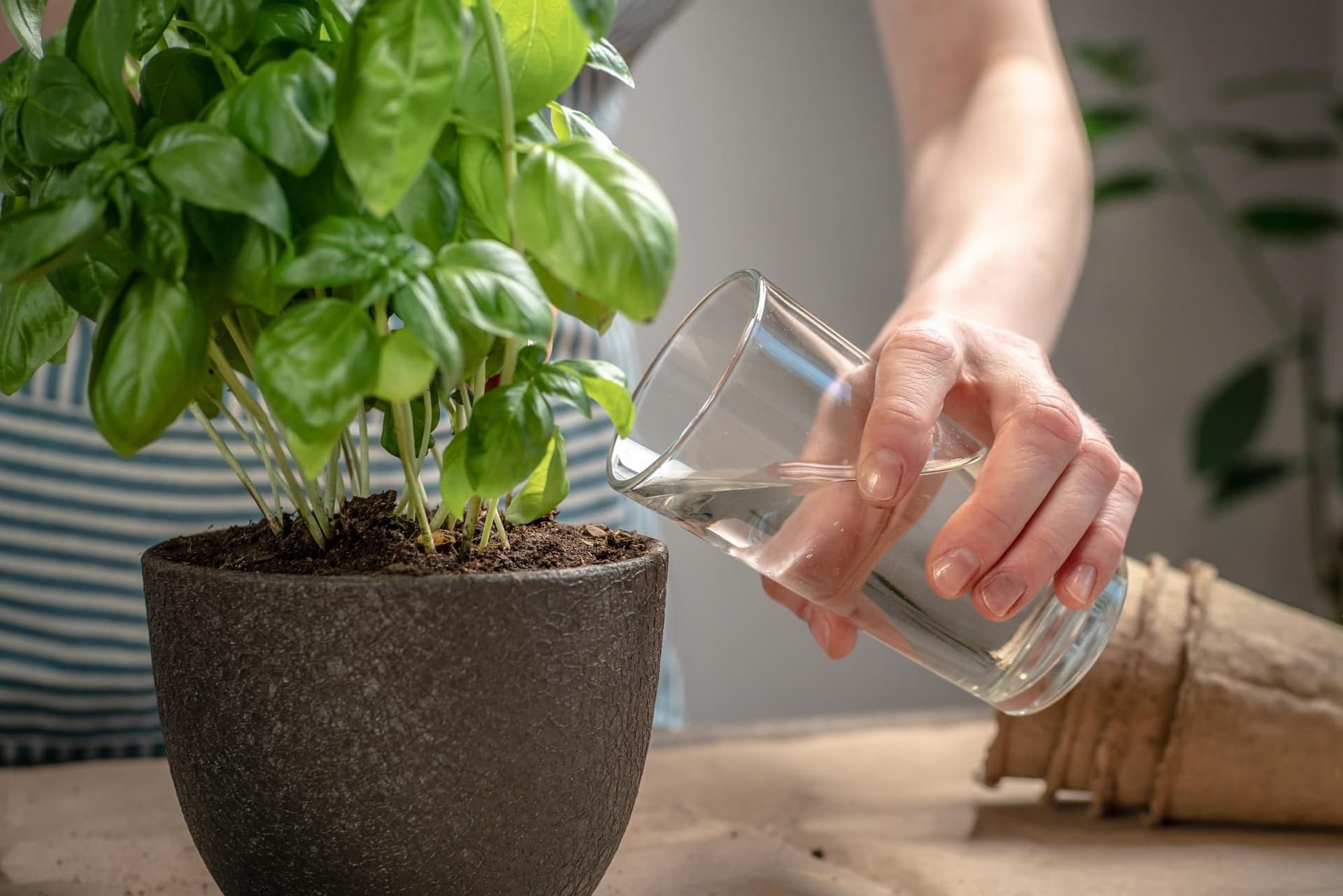
Rainwater, filtered, distilled, and tap water affect plants differently. Learn which types support healthy growth and which cause slow damage. Match each to your plants and discover how to easily improve tap water quality.

4 min read · 20 Oct 2026
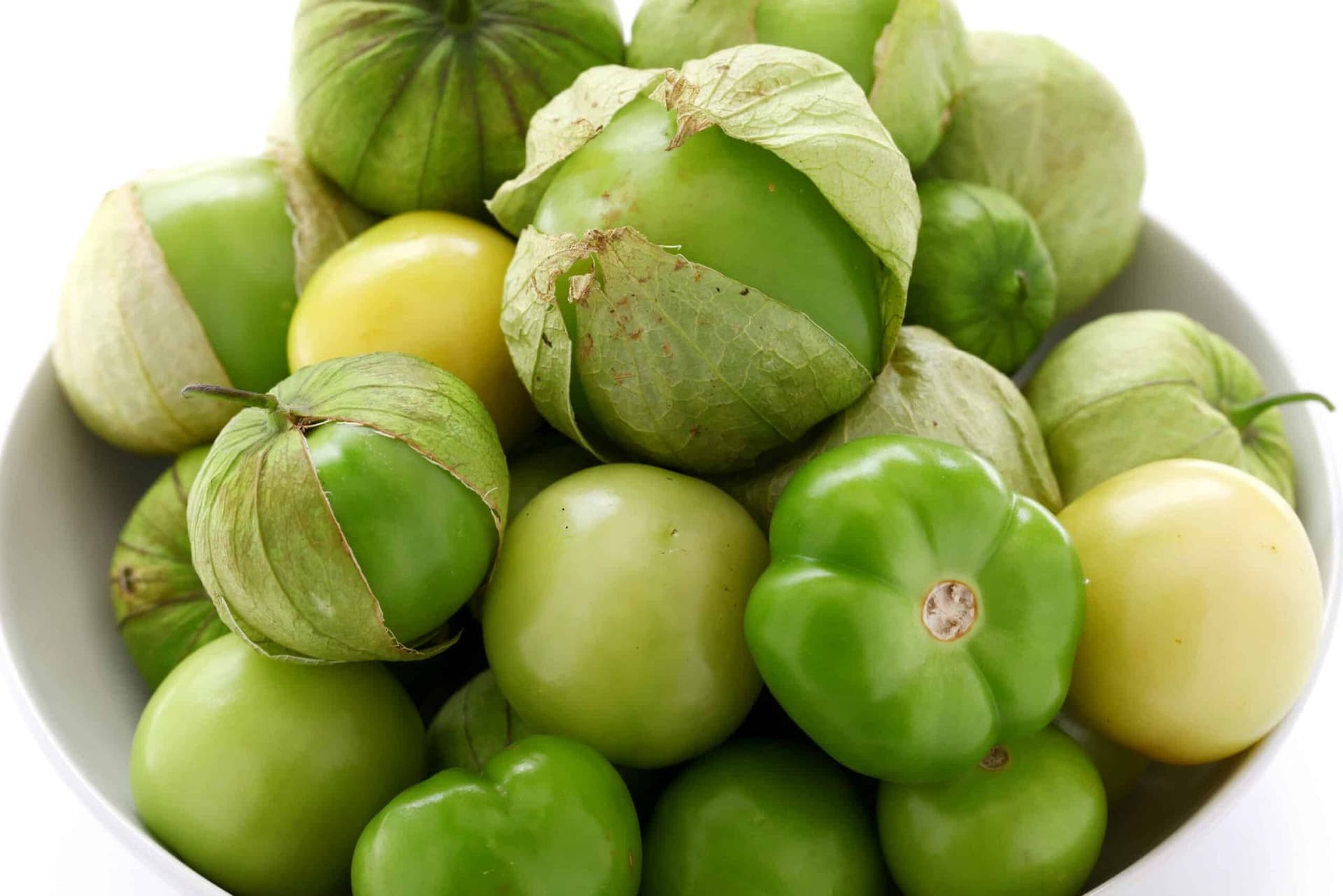
Tomatillos grow inside papery husks, making it hard to judge ripeness at a glance. This guide explains how to know when tomatillos are ripe and offers practical advice on harvesting and storage.