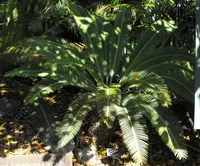



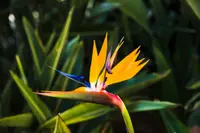
Best Soil for Cycad (Dioon merolae)

Dioon merolae grows best in a coarse, fast-draining mix that supports healthy roots without staying dense or airless.

Soil Texture

Sandy, Loamy, Rocky

Soil pH

Slightly acidic (6.5–7.0), Neutral (7.0)

Soil Drainage

Well-drained

Dioon merolae Soil Guide

Native to southern Mexico, Dioon merolae grows in seasonally dry areas with sandy, loamy, or rocky ground that drains quickly. That background explains why the best soil for Cycad should feel open and mineral-rich rather than dense or highly moisture-retentive.

Its root system benefits from air around the roots and steady drainage, since cycads are adapted to soils that dry somewhat between wet periods. A slightly acidic to neutral Cycad soil suits this species well, while a loose texture helps support healthy root function without staying soggy.

A homemade mix gives better control over texture and airflow for Dioon merolae in containers. Aim for a balance of mineral structure and modest moisture retention.

100% total mix = 20 scoops
15%
small gravel or fine bark3 scoops
20%
pumice or perlite4 scoops
30%
potting soil6 scoops
35%
coarse sand or grit7 scoops

The finished blend should feel coarse, loose, and slightly weighty, with water moving through promptly instead of lingering around the roots.

A good target for this species is about 6.5–7.0 pH. That places it in slightly acidic to neutral soil, where key nutrients stay available without pushing the root zone too far in either direction.

Cycad generally handles a narrow shift around neutral, but keeping the mix close to this range supports more even nutrient uptake over time.

This species is more likely to struggle in stale, compacted conditions than in an open root zone. Check the soil first when growth seems less steady.

Compaction:

Dense soil that dries slowly can limit oxygen at the roots; gently loosen the surface and plan to replace the mix with a more open one.

Staying wet too long:

If the pot remains heavy for days, the root zone may be holding excess moisture; pause irrigation briefly and review drainage and container flow.

Salt buildup:

A crust on the surface or pot edge can point to mineral residue; flush the mix thoroughly once and watch for recurring deposits.

Decomposed mix:

Older Cycad soil may collapse into finer particles and lose air spaces; refresh it when the texture starts feeling muddy or flat.

Better Soil Starts Here

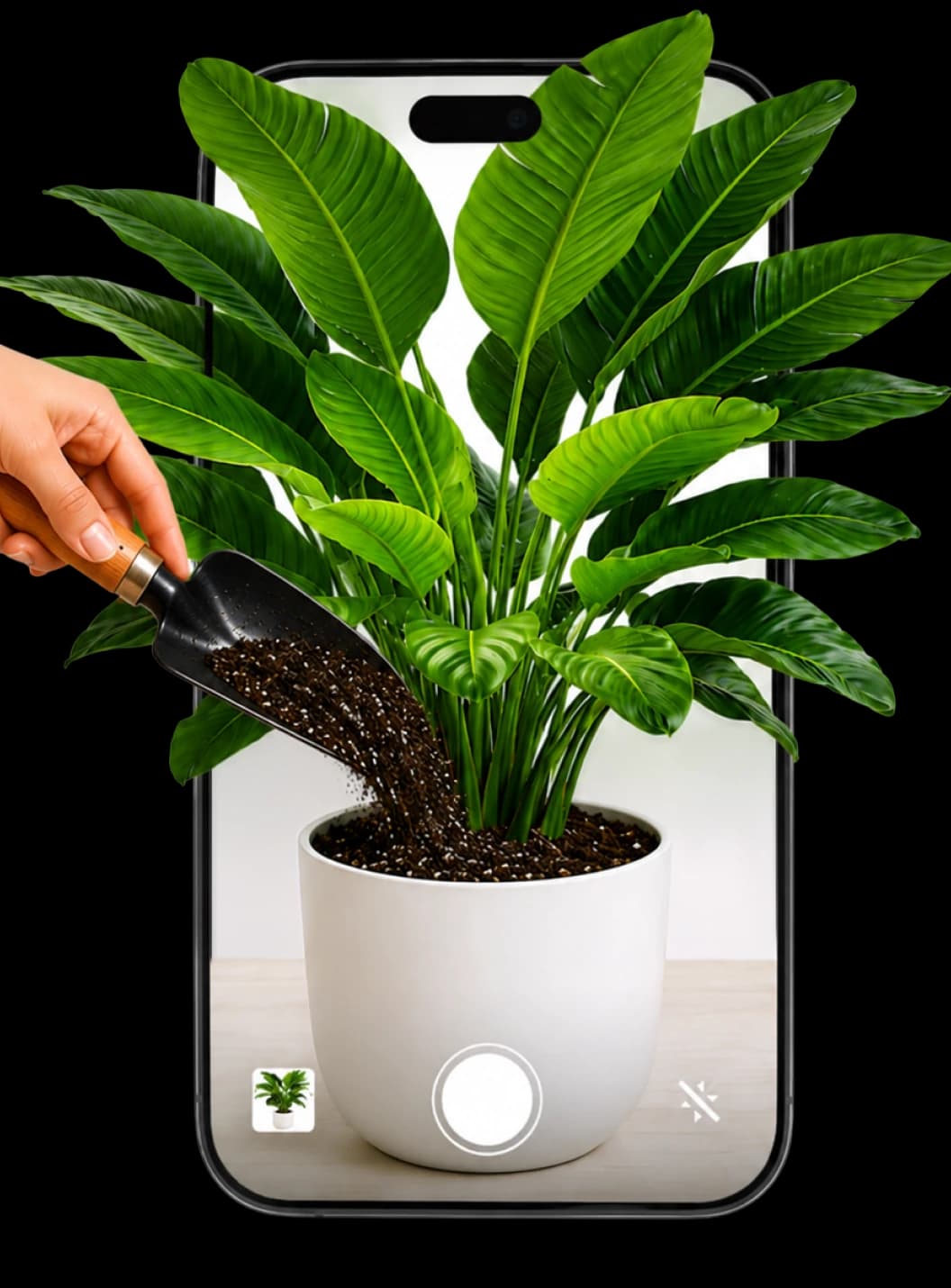
Botan helps match this plant to a soil setup that fits its root needs, container conditions, and growing environment.

FAQ

Yes. A pot with enough depth helps support the root system and keeps moisture distribution more even, but excessive depth can leave unused mix wet for too long.

More Plant Soil Guides

Check What the Soil Is Doing

If a plant looks off, soil may be part of the picture. Botan’s photo-based assessment can help identify patterns worth checking.

Botan app helping with soil and plant care
How to Use a Moisture Meter for Plants

5 min read · 4 Sept 2026

How to Use a Moisture Meter for Plants

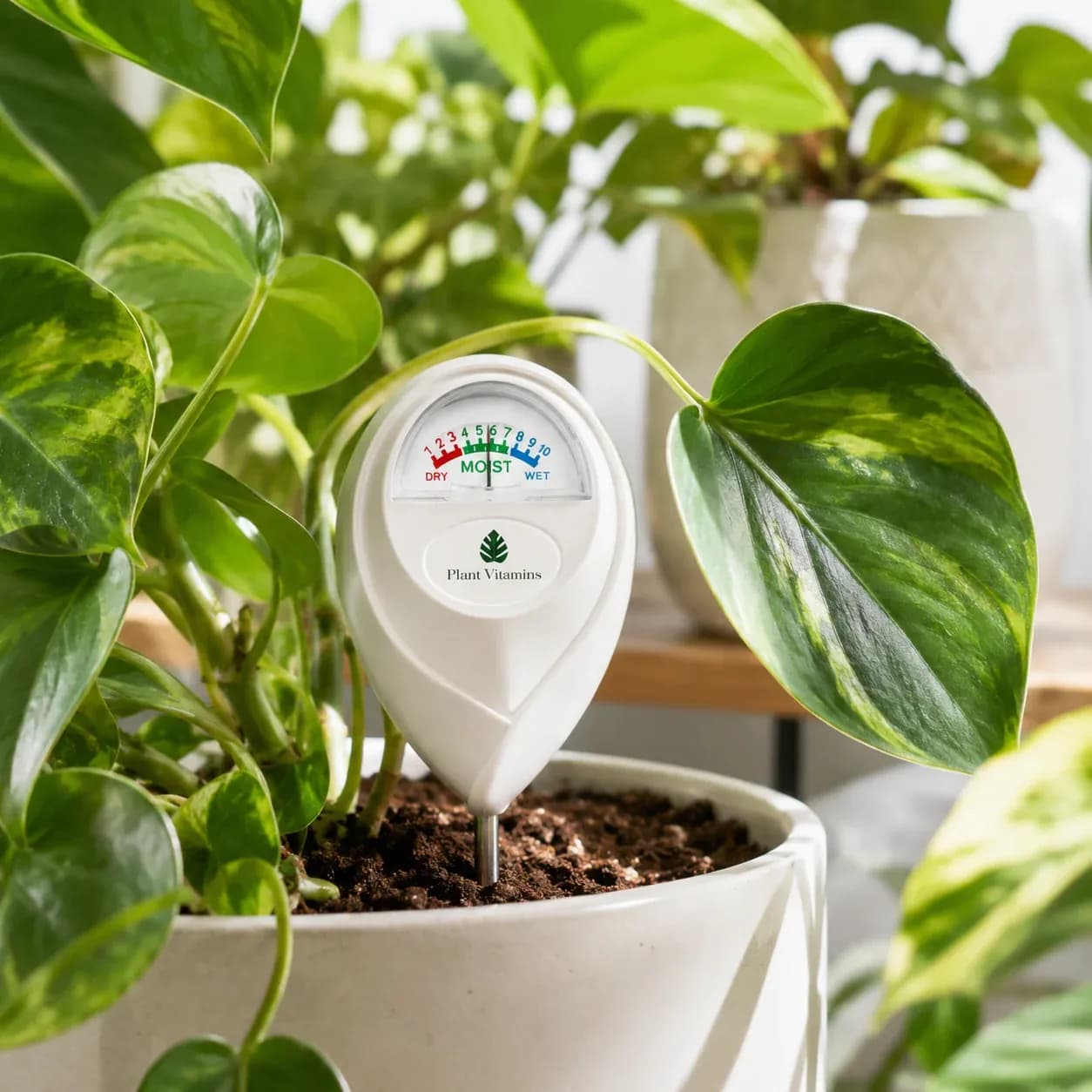
Watering by feel kills plenty of houseplants. A moisture meter checks the soil for you, and takes the guesswork out of it. This guide will show you how to use it correctly, from the first touch to the final reading.

Beginner Guides
How to Use a Moisture Meter for Plants
Banana Peel Water for Plants: 5 Things to Know Before Trying It

5 min read · 9 Jul 2026

Banana Peel Water for Plants: 5 Things to Know Before Trying It

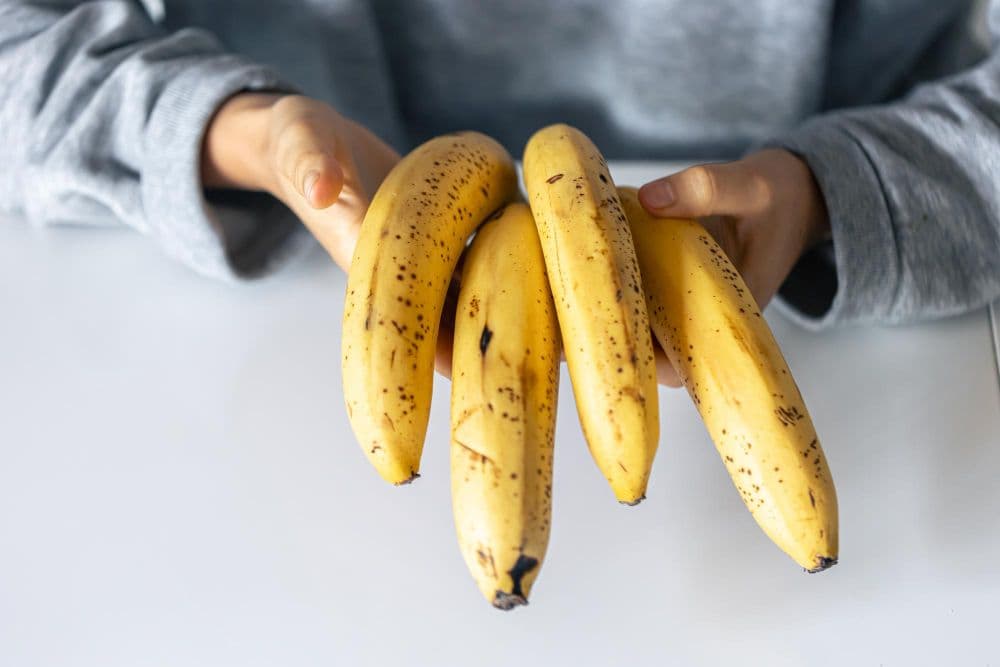
Banana water can provide potassium and some nutrients that may support plant growth, but it is not a universal fix. Use it carefully and only when the plant actually shows signs of nutrient deficiency rather than as a routine treatment.

Plant Care
Banana Peel Water for Plants: 5 Things to Know Before Trying It
When to Plant Hydrangeas: Best Time by Season and Type

6 min read · 30 Oct 2026

When to Plant Hydrangeas: Best Time by Season and Type

Hydrangeas grow best when you plant them in cool weather. This guide explains when to plant hydrangeas in your area, compares fall and spring planting seasons, and shows the right steps for each type.

Beginner Guides
When to Plant Hydrangeas: Best Time by Season and Type