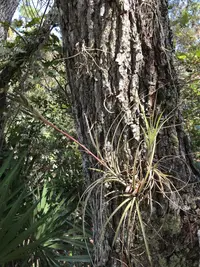
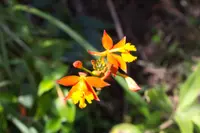
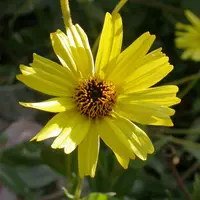
dancing ladies orchid Care (Gomesa flexuosa)

Also known as: dancing doll orchid, golden shower
dancing ladies orchid

About dancing ladies orchid

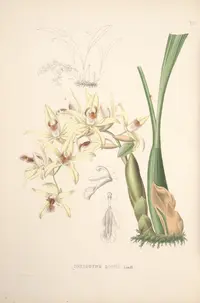
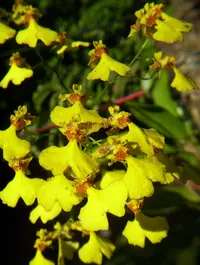
The dancing ladies orchid, Gomesa flexuosa, is a compact epiphytic orchid that naturally grows on trees in warm, humid forests of South America. It forms clumps of slender pseudobulbs with narrow leaves and produces many small, bright yellow flowers that resemble tiny dancing figures on arching stems.

This species has an elegant, airy look and tends to bloom generously when kept stable. It is considered moderately easy for indoor growers who can offer steady warmth, good airflow, and regular moisture without waterlogging. Light shade to bright, indirect light and an open, free-draining orchid mix support healthy growth and make it easier to care for dancing ladies orchid.

Main Plant Requirements

Care Difficulty

Moderate Care

Light Preference

Bright Indirect Light

Water Requirements

Moderate Water

Temperature Preference

Tropical / Frost Sensitive

Hardiness Zone

Unknown

Soil Texture

Loamy, Peaty, Organic-rich

Soil pH

Acidic (5.5–6.5)

Soil Drainage

Moist but well-drained

Fertilization

Light (every 4–6 weeks)

Get Personalized Care Plan

Scan your plant to receive care tips personalized for your specific plant

Available on iOS and Android

How to Care for the dancing ladies orchid

This orchid prefers bright, filtered light that mimics light woodland conditions.

  • Provide 6–8 hours of bright, indirect light daily, such as dappled shade under a tree or 30–50% shade cloth.
  • Allow soft morning sun but protect the dancing ladies orchid from strong midday and afternoon sun to prevent leaf scorch and yellow patches.
  • In summer, shift to slightly shadier exposure; in winter, increase light by moving closer to bright windows or using supplemental filtered light outdoors where possible.

This species prefers evenly moist conditions with brief drying at the surface between waterings.

  • Water when the top 2–3 cm of the medium feel just dry, using thorough soakings that fully wet the roots, then allow excess to drain away completely.
  • Use a loose, fast-draining orchid mix so roots receive air; constantly saturated or compact media lead to root rot, mushy pseudobulbs, and blackened roots.
  • In warm, active growth, expect to water more often; in cooler seasons, reduce frequency, watching for wrinkled pseudobulbs or limp leaves as signs of underwatering.

This orchid grows best under mild, intermediate temperatures without sharp extremes.

  • Aim for 65–80°F (18–27°C) by day and 55–65°F (13–18°C) at night for steady growth and flowering.
  • Protect from temperatures below 45°F (7°C); brief dips may be tolerated, but freezing conditions damage leaves and roots and can kill the plant.
  • In hot spells above 85°F (29°C), increase shade and air movement, and avoid placing the plant near heat-reflective surfaces that can overheat foliage.

This orchid prefers moderately high, stable humidity to maintain healthy foliage and blooms.

  • Aim for 50–70% humidity; lower levels are tolerated briefly but increase watering precision and air movement.
  • Dry air causes wrinkled pseudobulbs, crispy leaf tips, and buds that fail to open on dancing ladies orchid.
  • Raise humidity with a fine-mist humidifier, grouped plants, or an evaporative tray, always keeping air gently moving to prevent fungal issues.

This epiphytic orchid needs a very airy, fast-draining medium rather than conventional potting soil.

  • Use a chunky orchid mix of medium bark, perlite, and a little sphagnum moss to hold light, even moisture without waterlogging roots.
  • Ensure the mix drains within seconds after watering while still feeling slightly springy and fibrous, not compact or muddy.
  • Aim for slightly acidic to neutral conditions, roughly pH 5.5–6.5, which most commercial orchid barks naturally provide.
  • Avoid dense peat-heavy or garden soils, and refresh compacted mix with fresh bark and added perlite to restore aeration and drainage for Gomesa flexuosa.

This species grows very well in containers and hanging pots when drainage and aeration are prioritized.

  • Choose a shallow, wider pot or basket so roots can spread laterally and the mix dries evenly between waterings.
  • Use slotted or mesh-sided orchid containers to increase air movement around roots while still retaining the chunky medium.
  • If hanging, secure the container firmly and keep it balanced so new growths are not pulled downward by uneven weight as the plant expands.

Gomesa flexuosa benefits from light, consistent feeding while actively growing, but reacts poorly to strong fertilizers.

  • Use a balanced orchid fertilizer (for example 20-20-20) diluted to 1/4–1/2 strength for caring for dancing ladies orchid.
  • Feed every 2–3 weeks in spring and summer when new roots and pseudobulbs are forming.
  • Reduce to monthly or stop feeding in fall and winter, especially if growth slows under lower light.
  • Flush the pot with plain water every 3–4 feedings to prevent mineral salt buildup on roots.

Pruning Gomesa flexuosa focuses on hygiene and directing energy to healthy growth rather than reshaping the plant.

  • After flowering, cut spent flower spikes at the base with clean, sharp scissors or snips.
  • Remove only dead, shriveled, or diseased pseudobulbs and leaves, leaving firm green tissue intact.
  • Carry out most pruning in late winter to early spring before strong new growth starts.
  • Disinfect tools before and between plants to limit spread of fungal and bacterial problems.

This orchid prefers slightly tight conditions and benefits from infrequent but careful repotting to refresh its airy medium.

  • Repot every 2–3 years or when roots circle the pot, medium decomposes, or growth slows despite good care.
  • Choose late winter to early spring, just as new roots emerge, to minimize transplant shock.
  • Use a small, well-draining orchid mix based on fine to medium bark with some sphagnum or perlite for moisture balance.
  • Gently tease out old medium, trim dead roots only, keep healthy roots intact, and keep the plant shaded and slightly drier for 7–10 days afterward.

Gomesa flexuosa is most reliably propagated by division of mature clumps rather than by seed.

  • Divide in late winter or early spring, timing with repotting when new root tips appear.
  • Use a sterile knife or shears to separate sections with at least 3–4 healthy pseudobulbs each.
  • Pot divisions in fresh fine to medium bark mix, keeping them firmly anchored to reduce wobble.
  • Maintain bright, indirect light, high humidity around 60–70%, and slightly reduced watering until new roots establish.

This orchid is frost-sensitive and needs stable, cool to mild conditions during winter rest.

  • Keep plants above 50°F, aiming for a 55–65°F range with good air movement.
  • Move container plants indoors or into a greenhouse before overnight temperatures drop near 50°F.
  • Reduce watering, allowing the medium to dry slightly more between waterings while never letting roots stay bone dry.
  • Avoid cold drafts, and keep foliage away from single-pane windows that can chill leaves.

Care Tips

Mounting strategy

Mount plants on cork or tree fern with a thin pad of fine bark if the growing area stays above 50% humidity, which encourages strong root attachment and better air movement around the plant.

Basket culture

Use a slatted wooden or plastic basket with coarse bark if local humidity is moderate, allowing roots to wander and reducing the risk of rot compared with tight pots.

Pseudobulb monitoring

Check pseudobulbs weekly for wrinkling or shriveling, which in this species usually signals that the root system is declining and needs inspection for rot or desiccation.

Flower spike support

Insert thin, smooth stakes early and tie developing spikes loosely with soft clips or paper-covered wire so the branched inflorescences are supported without kinking or bruising.

Water quality focus

Use low-mineral water (rain, distilled, or reverse osmosis) with very light fertilizer to prevent salt buildup on the fine roots, which is especially important when caring for dancing ladies orchid in warm, bright conditions.

Common Pests and Diseases

Scale insects

This pest attaches tightly to pseudobulbs and leaf bases, sucking sap and causing yellowing, shriveling pseudobulbs, and sticky honeydew on leaves and supports.

Solution

Isolate the plant, then physically remove scale with a cotton swab dipped in isopropyl alcohol, focusing on leaf bases and in between clustered pseudobulbs; repeat weekly until no new insects appear, and improve air movement and light to support the plant’s recovery as part of overall Gomesa flexuosa care instructions.

Spider mites

These insects thrive in the warm, dry air often found in indoor orchid setups and cause fine stippling, dull leaves, and delicate webbing on the undersides of foliage.

Solution

Increase humidity to 50–70%, rinse foliage under a gentle lukewarm shower or use a damp cloth on both leaf surfaces, then apply an appropriate miticide or insecticidal soap, repeating at 5–7 day intervals until no new damage is seen.

Orchid aphids

This pest often colonies flower spikes and new growth, distorting buds and leaves and leaving shiny honeydew that can lead to sooty mold.

Solution

Prune and discard heavily infested spikes, wash remaining foliage and pseudobulbs with a mild soapy water solution, then use insecticidal soap or a horticultural oil spray directed at new growth and undersides of leaves, repeating as needed to break the life cycle.

Bacterial brown spot

This disease causes water-soaked, translucent patches on leaves that rapidly turn brown and sunken, often starting at the leaf tip or edge in warm, wet conditions.

Solution

Immediately remove affected leaf tissue with a sterile blade, keep foliage dry, reduce overhead misting, and increase air circulation around the plant; disinfect tools and avoid splashing water between plants to prevent spread, and consider a labeled bactericide if new spots continue to appear.

Leaf-tip blight

Symptoms include progressive browning and drying of leaf tips that may extend down the leaf, often triggered by high fertilizer salts, low humidity, or poor air movement in dense Gomesa clumps.

Solution

Trim browned tips back into healthy tissue with sterile scissors, flush the potting mix thoroughly with clean water to remove excess salts, improve air movement and maintain stable humidity, and adjust fertilization to a dilute orchid feed applied less frequently.

Interesting Facts

Atlantic forest epiphyte

This orchid naturally grows as an epiphyte on tree trunks and branches in Brazil’s Atlantic forest, relying on humid air and rainfall rather than soil for most of its moisture and nutrients.

Gracefully twisting leaves

The species name flexuosa refers to its characteristically bending or twisting leaves and inflorescence axes, which create an arching, flexible appearance as the flower spikes develop.

Cool to intermediate grower

In nature this species is found at elevations with mild, stable conditions, which is why it performs best under cool to intermediate temperatures and good air movement in cultivation.

FAQs about dancing ladies orchid

Lack of blooms usually comes from inadequate light, insufficient temperature drop at night, or low fertilizer. Mature pseudobulbs must form first. Balanced orchid fertilizer and a cooler, brighter period often trigger flowering when following general dancing ladies orchid care instructions.

Grow Healthy Plants with Botan Care

Keep your plants happy and healthy with plant identification, disease detection, and easy care guidance.

Botan plant care app — identify plants on mobile

Explore More Plants