tobacco Care (Nicotiana glutinosa)

Also known as: Peruvian tobacco
tobacco

About tobacco

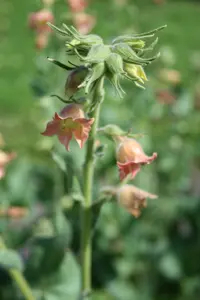
Nicotiana glutinosa is a small shrubby tobacco species grown mainly as an ornamental and for research, not for smoking. It forms upright, branching stems with sticky, glandular leaves and tubular flowers that are usually pink to purple. The plant is native to the Andes of South America, where it grows in cooler, highland conditions. It is generally fast-growing but short-lived, behaving like an annual or short-lived perennial in many gardens. This species prefers bright light, moderate moisture, and well-drained, fertile soil, which makes it relatively straightforward for gardeners who want to learn how to care for tobacco in a controlled setting.

Main Plant Requirements

Care Difficulty

Moderate Care

Light Preference

Full Sun

Water Requirements

Regular Water

Temperature Preference

Warm Climate

Hardiness Zone

8–11

Soil Texture

Sandy, Loamy, Organic-rich

Soil pH

Acidic (5.5–6.5), Slightly acidic (6.5–7.0)

Soil Drainage

Moist but well-drained

Fertilization

Light (every 4–6 weeks)

Get Personalized Care Plan

Scan your plant to receive care tips personalized for your specific plant

Available on iOS and Android

How to Care for the tobacco

Nicotiana glutinosa needs bright outdoor light to flower well but benefits from some protection from intense midday sun.

  • Provide 4–6 hours of direct sun daily, ideally morning sun with light afternoon shade, to support compact growth and abundant blooms.
  • Allow light dappled or high open shade in hotter regions; this tobacco tolerates partial shade but may produce fewer flowers in less than 3–4 hours of sun.
  • Avoid harsh, unfiltered afternoon sun in summer, which can scorch leaves; in cooler seasons, slightly longer direct exposure is usually safe.

Nicotiana glutinosa prefers evenly moist, well-drained soil and reacts quickly to both drought and excess water.

  • Water when the top 2–4 cm of soil feel dry, using a slow soak so moisture reaches the root zone without leaving the ground soggy.
  • Improve drainage with loose, organic-rich soil; standing water, limp leaves, and yellowing lower foliage indicate overwatering and possible root stress.
  • In hot, dry weather, expect more frequent watering, while in cool or rainy periods reduce watering to prevent fungal issues and weak, sappy growth.

This plant grows best in mild, frost-free conditions with stable temperatures through the growing season.

  • Aim for 65–80°F (18–27°C) for active growth; flowering and foliage quality are most reliable within this range.
  • Protect from frost; growth slows sharply below 50°F (10°C), and hard frost around 32°F (0°C) can kill plants or cause severe dieback.
  • In hot spells above 90°F (32°C), provide afternoon shade and consistent soil moisture to limit heat stress, wilting, and leaf scorch.

This species handles a wide humidity range but benefits from moderately moist air.

  • Aim for 40–60% humidity, similar to many indoor conditions, to keep leaves turgid and growth steady.
  • Plants used for tobacco tolerate short dry spells, but very dry heated rooms can crisp leaf edges and slow growth.
  • Increase humidity by grouping pots, placing trays with water and pebbles nearby, or misting lightly in the morning during very dry periods.

This plant prefers loose, well-aerated soil that drains quickly yet retains some moisture.

  • Use a loamy mix with 40–60% compost or peat-free organic matter, plus coarse sand or perlite for structure and air spaces.
  • Ensure water drains freely within a few seconds; soil that stays sticky or shiny on top after watering is too heavy.
  • Aim for slightly acidic to neutral pH, around 6.0–7.0, which supports nutrient uptake and healthy root growth for Nicotiana glutinosa.
  • Avoid dense clay, unamended garden subsoil, or mixes with large amounts of fine silt that compact and suffocate roots.

This species adapts well to container cultivation outdoors.

  • Choose a pot at least 25–30 cm wide so the root system and foliage have enough lateral room to support tall flower stalks.
  • Use a relatively heavy ceramic or clay pot in windy sites to reduce tipping as the top growth becomes leafy and tall.
  • Raise the container slightly on feet or bricks so drainage holes stay clear and runoff moves away instead of pooling under the base.

Nicotiana glutinosa benefits from light, steady nutrition during its active growing season.

  • Use a balanced liquid fertilizer (such as 10-10-10) diluted to 1/2 strength every 2–3 weeks in spring and summer.
  • Alternatively, apply a thin layer of mature compost or a low-dose slow-release fertilizer at planting time.
  • Rinse foliage if fertilizer splashes on leaves to reduce burn risk, especially in warm, dry weather.
  • Stop feeding tobacco in late summer to early fall so growth can harden before cooler conditions.

Nicotiana glutinosa responds well to modest pruning that maintains shape and flowering performance.

  • Pinch or shear back spent flower spikes in late spring through summer to encourage new blooms and a fuller habit.
  • Remove dead, diseased, or damaged stems as soon as noticed using clean, sharp scissors or hand pruners.
  • Thin crowded interior shoots lightly to improve airflow and reduce risk of fungal problems.
  • At season’s end, cut back frost-killed growth near ground level to tidy beds and limit reseeding.

This species is most often grown as a bedding annual, so focus on careful transplanting rather than frequent repotting.

  • Transplant seedlings outdoors after frost risk passes, when they have several true leaves and roots hold the soil plug.
  • Space plants so roots do not crowd quickly; annual Nicotiana glutinosa rarely needs repotting once established.
  • If container-grown, shift up only when roots circle the pot and growth slows, choosing the next pot size up.
  • Reduce root stress by watering well before and after moving, handling the root ball gently, and shading for 2–3 days.

Nicotiana glutinosa is most commonly propagated from seed, which germinates reliably under warm, bright conditions.

  • Sow fine seeds indoors 6–8 weeks before the last frost, pressing onto the surface of moist, sterile mix without covering.
  • Maintain 65–75°F, bright indirect light, and even moisture; seeds need light to germinate well.
  • Thin or prick out seedlings once they form true leaves, handling by the leaves, not the stems.
  • Softwood tip cuttings in late spring can root in a loose, moist medium under high humidity, though seeds are usually easier.

This plant is typically grown as a warm-season annual and does not overwinter outdoors in cold climates.

  • Frost usually kills top growth, so treat garden plantings of Nicotiana glutinosa as seasonal displays in USDA zones with freezing winters.
  • In mild, frost-free areas, a light mulch layer around the root zone can help perennialize plants.
  • Container specimens in cooler climates can be moved indoors to a bright, cool room before the first hard frost.
  • Reduce watering markedly in winter for indoor plants, keeping soil just barely moist to prevent root rot.

Care Tips

Staking for support

Install slender stakes and soft ties early in the season so tall stems stay upright in wind and rain, checking monthly to loosen ties as the stems thicken.

Pinch for bushiness

Pinch out the soft shoot tips when plants are 15–20 cm tall to encourage branching, more flowering stems, and a sturdier overall structure.

Targeted pest scouting

Inspect the undersides of leaves at least weekly for aphids, whiteflies, and caterpillars, and remove early infestations by hand or with a sharp water spray before resorting to insecticides.

Sanitary deadheading

Regularly remove spent flower clusters and any yellowing leaves with clean, sharp pruners, disinfecting blades with alcohol between plants to reduce disease spread.

Thoughtful crop rotation

Avoid planting in the same bed after tomatoes, peppers, potatoes, or other tobacco relatives for at least 3 years to reduce soil-borne pests and diseases that commonly affect those growing tobacco outdoors.

Everything About tobacco

Common Pests and Diseases

Tobacco mosaic virus

This disease causes mottled light and dark green patches, leaf curling, and stunted growth, and Nicotiana glutinosa is widely used as an indicator host for it. Symptoms include distinct local lesions that appear as small necrotic spots shortly after infection.

Solution

Remove and discard infected plants, avoid handling healthy plants after touching infected material, and disinfect tools and benches with a suitable disinfectant. Use only virus-free seed, control sap-sucking insects that can spread the virus, and avoid smoking or handling tobacco before touching plants without washing hands thoroughly.

Cucumber mosaic virus

This disease produces mosaic patterns, yellowing, leaf malformation, and strong stunting, with characteristic local lesions on N. glutinosa used in virus testing. Symptoms include distorted, narrow leaves and poor flowering or seed set.

Solution

Promptly remove and destroy symptomatic plants and nearby volunteers, and keep the growing area free of weed hosts that harbor the virus. Manage aphids with yellow sticky traps, reflective mulches, or targeted insecticidal soap, and avoid moving from infected to healthy plants without washing hands and tools.

Potato virus Y

This disease often causes necrotic local lesions, leaf mottling, and plant stunting, and N. glutinosa is a classical test host for strain identification. Symptoms include reduced vigor and patchy yellowing between veins.

Solution

Rogue and dispose of infected plants, control aphid vectors with physical barriers or insecticidal soap, and keep separate any Solanaceae crops such as potatoes, tomatoes, or peppers that may carry the virus. Always start with certified clean seed and regularly disinfect knives, pruners, and other tools.

Aphids

These insects cluster on young shoots and undersides of leaves, sucking sap and causing curling, distortion, and sticky honeydew that can lead to sooty mold. This pest also plays a major role in spreading mosaic and other viruses on Nicotiana species.

Solution

Spray plants with a strong stream of water to dislodge colonies, then treat remaining aphids with insecticidal soap or neem oil, coating the undersides of leaves. Encourage or introduce natural enemies such as lady beetles, remove heavily infested plant tips, and control nearby weeds that host aphids.

Whiteflies

These insects are small white, moth-like pests that fly up in clouds when the plant is disturbed and feed on leaf sap, causing yellowing, leaf drop, and honeydew deposits. This pest can weaken plants and increase the risk of virus spread under warm indoor or greenhouse conditions, so careful tobacco indoor care is important.

Solution

Use yellow sticky traps to monitor and reduce adult populations, and apply insecticidal soap or horticultural oil to the undersides of leaves where nymphs feed. Improve airflow, avoid overcrowding, and regularly inspect new plants or starts before introducing them into the growing area.

Interesting Facts

Model virus host

This species is widely used in plant pathology research because it is highly susceptible to many plant viruses, making infection symptoms easy to observe and track in laboratory experiments.

Genetic resistance donor

It has been an important genetic source of resistance genes against tobacco mosaic virus and other pathogens, and some of these genes have been transferred into cultivated tobacco through breeding.

Sticky defensive leaves

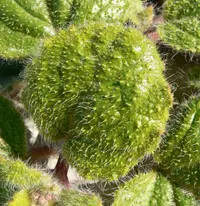
The leaves and young stems are covered with glandular hairs that secrete a sticky resin, which can trap small insects and may help reduce herbivory and pathogen entry on the plant surface.

Botan icon

Did you know?

Nicotiana glutinosa was one of the first wild tobaccos systematically used in virus-host interaction studies, helping scientists define basic concepts like local lesion formation and systemic infection patterns that are now standard in plant virology.

FAQs about tobacco

Brown leaf patches often result from sun scorch, low humidity, or fertilizer burn. Check for crispy edges or spots, adjust light exposure, and flush the potting mix if heavy feeding or salt buildup is suspected.

Grow Healthy Plants with Botan Care

Keep your plants happy and healthy with plant identification, disease detection, and easy care guidance.


Botan plant care app — identify plants on mobile

Explore More Plants