Pinch for Bushiness
Pinch out the soft tips of young stems when they reach 8–10 cm to encourage branching, more flowering spikes, and a stockier, wind-resistant plant.

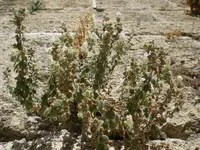
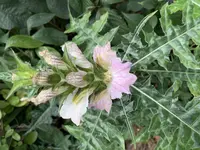
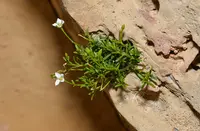
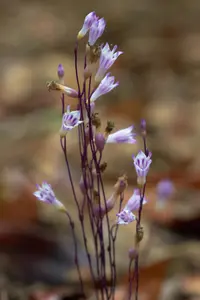
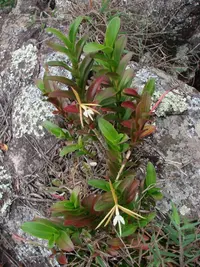
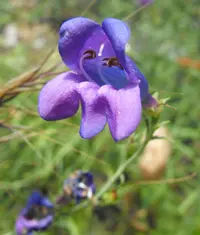
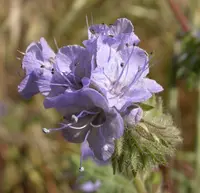
Spanish snapdragon (Antirrhinum hispanicum) is a small, short-lived perennial or annual flowering plant from rocky, dry habitats in the Iberian Peninsula. It forms low clumps with upright stems and narrow leaves. Its flowers are tubular with a hinged, “snapping” mouth, usually in soft pinks, whites, or pale purples that attract pollinators. Plants stay compact, which suits small gardens or rockeries. Spanish snapdragon prefers sunny, open sites with well-drained, often poor or stony soil. It tolerates drought better than constant moisture. In mild climates it is generally easy to care for Spanish snapdragon, provided it is not overwatered and soil drainage is good.

Care Difficulty
Moderate Care

Light Preference
Full Sun

Water Requirements
Moderate Water

Temperature Preference
Cool Climate

Hardiness Zone
6–9

Soil Texture
Sandy, Loamy, Rocky

Soil pH
Acidic (5.5–6.5), Slightly acidic (6.5–7.0)

Soil Drainage
Well-drained

Fertilization
Minimal (feed rarely)
Scan your plant to receive care tips personalized for your specific plant
Available on iOS and Android
This Mediterranean species prefers bright, direct light but tolerates some shade in hot climates.
This plant prefers evenly moist but not saturated soil, especially during active growth and flowering.
This species prefers mild conditions and flowers best in cool to warm, not extreme, temperatures.
This species grows well in relatively dry air and rarely needs special humidity control.
Soil for Antirrhinum hispanicum should be light, well aerated, and fast draining.
This species is suitable for container growing in bright outdoor conditions.
This plant benefits from modest feeding but performs well in reasonably fertile, well-drained soil.
Pruning Antirrhinum hispanicum focuses on maintaining flowering performance and a compact, tidy outline.
This species is more often transplanted in beds or rock gardens than kept long term in containers.
Antirrhinum hispanicum is commonly propagated by seed for garden use and conservation plantings.
This plant is relatively cold tolerant in well-drained sites but benefits from simple winter precautions in colder climates.

Plant Health Check
Not sure what's wrong with your plant? Check your plant's health inside the app.
This species is naturally adapted to grow in limestone cliffs and rocky crevices of central and eastern Spain, anchoring its roots in very shallow, fractured rock where few other flowering plants can survive.
Its small, often hairy leaves help reduce water loss and tolerate intense sun and dry Mediterranean conditions, allowing the plant to persist in exposed, low-soil habitats.
The plant has a relatively restricted range within the Iberian Peninsula, occurring mainly in specific mountainous and pre-mountainous regions rather than being widespread across Europe like some other snapdragons.

Unlike many garden snapdragons, this species is considered a strict calcicole, meaning it is naturally associated with calcium-rich limestone substrates and is rarely found on non-calcareous rocks in the wild.
Poor flowering usually comes from low light, excess nitrogen fertilizer, or old, exhausted stems. Make sure the site is bright, avoid high‑nitrogen feeds, deadhead faded spikes, and renew plants from seed or cuttings every few years.
Keep your plants happy and healthy with plant identification, disease detection, and easy care guidance.