Cool root zone
Mulch lightly around the plant with fine gravel or grit to keep roots cool, reduce evaporation, and prevent soil splashing onto the foliage during watering or rain.

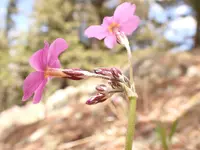
Rusby's primrose (Primula rusbyi) is a small perennial wildflower in the primrose family, valued for its early spring color and compact habit. It forms low rosettes of green leaves with clusters of nodding, tubular flowers in pink to rose tones.
This species is native to the southwestern United States, typically found along cool, moist mountain streams and seeps. It prefers consistently moist, well-drained soil and protection from hot, direct sun.
Because it comes from cool, damp habitats, it can be more demanding than common garden primroses in warmer or drier climates. Gardeners who want to care for Rusby's primrose need to focus on cool temperatures, steady moisture, and shelter from heat.

Care Difficulty
Hard Care

Light Preference
Partial Shade

Water Requirements
Keep Soil Moist

Temperature Preference
Cool Climate

Hardiness Zone
4–8

Soil Texture
Loamy, Silty, Organic-rich

Soil pH
Acidic (5.5–6.5)

Soil Drainage
Moist but well-drained

Fertilization
Minimal (feed rarely)
Scan your plant to receive care tips personalized for your specific plant
Available on iOS and Android
This alpine primrose prefers cool, bright conditions with protection from strong midday sun.
This species needs consistently moist but not waterlogged soil, especially during active growth.
This plant prefers cool conditions and does best in climates with mild summers and cold winters.
This species benefits from moderate, steady humidity around the foliage.
Primula rusbyi prefers cool, moist, yet sharply drained soil that never becomes stagnant.
This primrose adapts well to container growing when moisture and drainage are carefully managed.
This alpine primrose benefits from light, targeted feeding rather than heavy fertilization.
Primula rusbyi responds well to light, maintenance pruning that keeps rosettes healthy and flowering well.
This species is usually grown in rock gardens or beds, so care focuses on gentle transplanting rather than frequent repotting.
Propagation of this primrose is practical through both division and seed under the right conditions.
This cold-hardy alpine usually needs only modest winter care in temperate climates.

Plant Health Check
Not sure what's wrong with your plant? Check your plant's health inside the app.
This species is naturally restricted to cool, shaded stream corridors and moist canyon walls in the southwestern United States, especially in parts of New Mexico and Arizona, where constant seepage keeps the soil damp through much of the year.
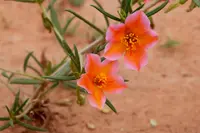
The plant forms low rosettes of relatively broad, often slightly sticky leaves that create a strong visual contrast with its loose clusters of vivid pink to magenta flowers held on upright stems above the foliage.
In its native range, it typically flowers from spring into early summer, taking advantage of snowmelt and increased stream flow, then may retreat to a more vegetative state as canyon conditions become warmer and drier.
Lack of blooms usually comes from insufficient winter chill, too much shade, or nutrient imbalance from high-nitrogen fertilizer. Ensure a cool dormant period, bright but not harsh light, and use a balanced, low-nitrogen formula during active growth.
Keep your plants happy and healthy with plant identification, disease detection, and easy care guidance.


-1-200x133.webp)