Seasonal Dormancy Marking
Flag or discretely label the plant location before leaves die back so you do not disturb tubers when the ground looks bare in summer and autumn.

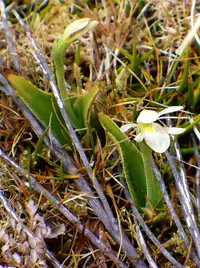
Odd-leaved orchid (Aporostylis bifolia) is a small terrestrial orchid native to New Zealand, usually found in open tussock grasslands and subalpine habitats. It forms slender, upright flowering stems emerging from underground tubers.
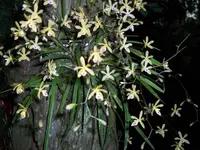
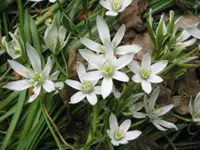
Plants typically have a few narrow, grass-like leaves and a loose spike of delicate white flowers held above the foliage. The overall look is fine and understated rather than lush or leafy.
This species is adapted to cool, well-drained, often nutrient-poor soils and seasonal moisture, which makes it challenging to maintain in typical home conditions. It suits experienced growers who want to learn how to care for Odd-leaved orchid in controlled, cool, bright environments.

Care Difficulty
Hard Care

Light Preference
Partial Shade

Water Requirements
Keep Soil Moist

Temperature Preference
Cool Climate

Hardiness Zone
8–10

Soil Texture
Loamy, Silty, Organic-rich

Soil pH
Acidic (5.5–6.5)

Soil Drainage
Moist but well-drained

Fertilization
Minimal (feed rarely)
Scan your plant to receive care tips personalized for your specific plant
Available on iOS and Android
This terrestrial orchid prefers cool, bright conditions with protection from strong direct sun.
This species prefers evenly moist but never waterlogged soil, reflecting its natural damp grassland and open forest habitats.
This cool to cool-temperate orchid performs best in mild conditions with clear seasonal changes.
This cool-growing terrestrial orchid prefers moderately moist air but tolerates typical home levels if roots stay evenly damp.
This woodland orchid needs loose, humus-rich, sharply drained soil that stays cool and slightly moist.
This species can be grown in containers if the pot closely imitates its cool, free-draining woodland root conditions.
This terrestrial orchid is adapted to low-nutrient soils, so Aporostylis bifolia care relies on very light feeding, if any.
Pruning Aporostylis bifolia is minimal and focuses on hygiene rather than shaping.
This species is usually grown in the ground; transplanting is done infrequently and only when necessary to reduce stress on the delicate root system.
Propagation of Aporostylis bifolia is specialized and usually left to conservation or research settings rather than home growers.
This terrestrial orchid is generally cold hardy in its native range and needs little active winter care once established in the ground.

Plant Health Check
Not sure what's wrong with your plant? Check your plant's health inside the app.
This orchid is endemic to New Zealand and is typically found in subalpine to alpine grasslands and herbfields, often above the treeline where few other orchids can survive.
Its specific epithet bifolia refers to the characteristic pair of narrow leaves arranged more or less opposite each other along the stem, a feature that helps distinguish it from many similar small terrestrial orchids.
The plant survives harsh alpine winters as an underground tuber, entering dormancy during the coldest months and re-emerging in the growing season when temperatures and light levels improve.
Lack of flowering usually comes from insufficient winter chill, too much shade, or disturbance of the underground tubers. Ensure a cool, dormant winter period, stable outdoor conditions, and avoid digging or moving the plant while it is resting.
Keep your plants happy and healthy with plant identification, disease detection, and easy care guidance.