Rock crevice planting
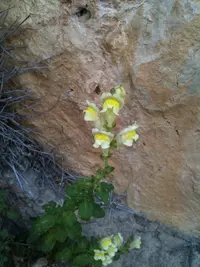
Tuck plants into narrow rock crevices or between stones so roots stay cool and anchored, which reduces heaving and damage in freeze–thaw cycles.

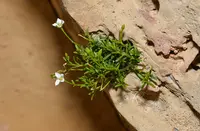
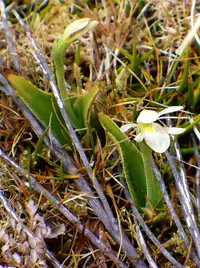
Moehringia sedoides is a compact, mat-forming alpine perennial, often used as a groundcover in rock gardens and troughs. It forms dense, bright green cushions with tiny, narrow leaves and small white star-shaped flowers.
In the wild, it occurs in rocky, mountainous areas of central and southern Europe, where it grows in crevices and shallow, well-drained soils. Its slow, compact growth and preference for cool roots can make it a little more demanding than typical bedding plants.
Once established in the right spot, it stays neat and low, making it suitable for edging stones and gaps between rocks. Light shade, even moisture, and gritty, sharply drained soil provide a good starting point for how to care for Moehringia sedoides.

Care Difficulty
Moderate Care

Light Preference
Partial Sun

Water Requirements
Moderate Water

Temperature Preference
Cold Hardy

Hardiness Zone
4–8

Soil Texture
Sandy, Loamy, Rocky

Soil pH
Slightly acidic (6.5–7.0), Neutral (7.0)

Soil Drainage
Well-drained

Fertilization
Minimal (feed rarely)
Scan your plant to receive care tips personalized for your specific plant
Available on iOS and Android
This alpine groundcover prefers cool, bright locations with protection from intense midday sun.
This species prefers consistently moist but not saturated soil, especially during active growth.
This mat-forming perennial prefers cool to mild conditions and dislikes extreme heat.
This alpine cushion plant prefers relatively dry air and usually does not need humidity adjustment indoors.
This species prefers sharply drained, gritty soil that mimics a rocky alpine slope.
This compact, mat-forming species is well suited to container culture, especially in rock-garden troughs or shallow pots.
This alpine mat-forming species grows best in lean soil, so fertilizing Moehringia sedoides should stay light and infrequent.
Pruning needs for Moehringia sedoides are minimal and mainly focused on tidying the cushion.
This rock garden groundcover is usually grown in the ground, so focus on careful transplanting rather than frequent repotting.
Moehringia sedoides is commonly propagated in gardens by division and short stem cuttings.
This alpine species is generally cold hardy in rock garden conditions and often needs only modest winter care.

Plant Health Check
Not sure what's wrong with your plant? Check your plant's health inside the app.
This species naturally grows in high mountain granite screes and rocky crevices in the European Alps and adjacent ranges, where it anchors itself between unstable stones and shallow mineral soils.
Although it belongs to the Caryophyllaceae (carnation) family, its tiny, succulent-like leaves closely resemble Sedum species, an example of convergent evolution in response to dry, exposed habitats.
The plant forms dense, low cushions only a few centimeters high, a growth form that helps reduce water loss and protects its roots from temperature extremes in alpine conditions.
This species is evergreen in most temperate climates, keeping its small leaves year-round. In very harsh winters, some foliage can scorch or thin, but healthy plants usually rebound with fresh growth in spring.
Keep your plants happy and healthy with plant identification, disease detection, and easy care guidance.