Pinch For Bushiness
Pinch out the soft shoot tips when plants are 10–15 cm tall to encourage multiple flowering stems and a sturdier, fuller habit.

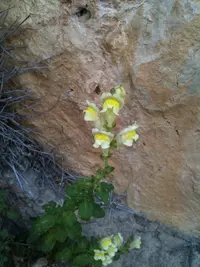
Large snapdragon, Antirrhinum latifolium, is an upright, short-lived perennial or biennial flowering plant related to common garden snapdragons. It forms leafy stems topped with tall spikes of tubular, hinged flowers that resemble small dragon faces. Colors vary by variety but often include soft pinks, whites, or purples.
This species is native to parts of southern Europe, where it grows in sunny, rocky, or scrubby habitats with well-drained soils. It is generally easy to grow if given full sun, moderate moisture, and soil that does not stay waterlogged, so learning how to care for Large Snapdragon is straightforward for most gardeners.

Care Difficulty
Moderate Care

Light Preference
Full Sun

Water Requirements
Moderate Water

Temperature Preference
Cool Climate

Hardiness Zone
5–9

Soil Texture
Sandy, Loamy, Organic-rich

Soil pH
Acidic (5.5–6.5), Slightly acidic (6.5–7.0)

Soil Drainage
Well-drained

Fertilization
Light (every 4–6 weeks)
Scan your plant to receive care tips personalized for your specific plant
Available on iOS and Android
Antirrhinum latifolium needs plenty of direct sun to flower well in garden beds.
Antirrhinum latifolium prefers steady moisture in well-drained soil without staying soggy.
This species thrives in mild conditions and dislikes both hard frost and extreme heat.
This species grows well in typical outdoor humidity if roots are not waterlogged.
Antirrhinum latifolium performs best in light, well-aerated soil that drains freely yet holds moderate moisture.
This species is suitable for container growing when provided with stable, well-drained conditions.
This plant benefits from modest feeding to support flowering, especially in poorer soils.
Thoughtful pruning keeps Antirrhinum latifolium flowering well and maintains a tidy form.
This species is more often transplanted in beds than maintained long term in containers.
Antirrhinum latifolium is most often propagated from seed, with cuttings as a secondary method.
This plant can be short-lived but shows fair cold tolerance in many temperate climates.

Plant Health Check
Not sure what's wrong with your plant? Check your plant's health inside the app.
This species naturally occurs on rocky riverbanks and moist cliffs in parts of the western Mediterranean, where it tolerates periodic flooding followed by intense summer drought.
Unlike the upright garden snapdragon, this plant often forms lax, arching stems that can trail or sprawl over rocks, an adaptation that helps it anchor into crevices and shallow, unstable substrates.
Wild populations are patchy and often confined to specific valleys and river systems, reflecting a preference for calcareous rock and a relatively narrow ecological niche within its native range.
Lack of flowering usually comes from insufficient light, excessive nitrogen fertilizer, or old, exhausted plants. Ensure full sun, use a balanced or low-nitrogen feed, deadhead spent spikes, and replace very old clumps for reliable flowering.
Keep your plants happy and healthy with plant identification, disease detection, and easy care guidance.