Dendrophorbium peregrinum Care

About Dendrophorbium peregrinum

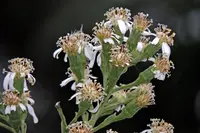
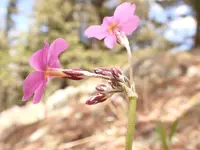
Dendrophorbium peregrinum is a perennial flowering plant in the daisy family, usually forming upright, branching stems with narrow leaves and clusters of small yellow blooms. It has a somewhat shrubby habit and can reach a modest height, making it suitable for mixed borders or naturalistic plantings in mild climates.

This species is native to high-altitude regions of South America, where it grows in cool, well-drained mountain habitats. In cultivation, it prefers bright light, moderate moisture, and soil that does not stay waterlogged.

Its resilience to cooler temperatures can make it moderately easy to grow where conditions match its native climate. Understanding how to care for Dendrophorbium peregrinum mainly involves providing good light and avoiding heavy, soggy soil.

Main Plant Requirements

Care Difficulty

Moderate Care

Light Preference

Partial Shade

Water Requirements

Moderate Water

Temperature Preference

Warm Climate

Hardiness Zone

Unknown

Soil Texture

Loamy

Soil pH

Slightly acidic (6.5–7.0)

Soil Drainage

Well-drained

Fertilization

Minimal (feed rarely)

Get Personalized Care Plan

Scan your plant to receive care tips personalized for your specific plant

Available on iOS and Android

How to Care for the Dendrophorbium peregrinum

This species prefers bright conditions that mimic high-elevation light but with some protection from harsh sun.

  • Provide 4–6 hours of bright, indirect light daily, with gentle morning sun and filtered light or light shade in the afternoon.
  • Tolerates partial shade, but stems may elongate and foliage thin if light stays low for several weeks; shift gradually to a brighter spot if this occurs.
  • In hot summers, protect from intense midday sun to prevent leaf scorch, especially in exposed sites or near reflective surfaces.

Watering should balance consistent moisture with good drainage to prevent root problems.

  • Allow the top 3–5 cm of soil to dry before watering, then soak thoroughly so excess drains away; avoid letting the root zone stay waterlogged.
  • During active growth in spring and summer, expect more frequent watering, reducing in cooler months when growth slows and the soil dries more slowly.
  • Leaves that yellow and feel soft often indicate overwatering and poor aeration, while limp, dry foliage and light pot weight signal underwatering and the need to water sooner.

Stable, cool to mild temperatures support steady growth and reduce stress.

  • Aim for 60–75°F (16–24°C) for best growth, keeping conditions on the cooler side of this range if possible, similar to mild highland climates.
  • Avoid temperatures below 40°F (4°C); brief dips near this level may be tolerated, but frost can damage foliage and young stems.
  • In hot periods above 85°F (29°C), provide shade and increased airflow to limit heat stress and prevent leaf scorch or wilting.

This species prefers moderate to moderately high humidity and reacts to very dry air.

  • Aim for 50–70% humidity to support steady foliage growth and reduce stress.
  • In dry indoor air, leaf tips may brown, edges may crisp, and new growth may stay small.
  • Increase humidity with grouped plants, a nearby humidifier, or a wide pebble tray that allows evaporation around the plant.

This species prefers a loose, well‑aerated, fast‑draining mix that still holds moderate moisture.

  • Use a base of peat or coco coir with added perlite and fine bark to create a fibrous, airy structure.
  • Aim for slightly acidic to neutral pH, roughly 6.0–7.0, avoiding very alkaline substrates that can limit nutrient uptake.
  • Ensure excess water runs through quickly; water should not stand in the pot or leave the mix soggy for more than a few hours.
  • Avoid heavy clay, unamended garden soil, or compacted mixes; add extra perlite or pumice if drainage slows over time.

This species adapts well to container growing when the pot is chosen to support its root system and above‑ground growth.

  • Choose a pot that is wider than it is deep to match its spreading root habit and improve stability against wind or accidental knocks.
  • Select a slightly heavier material such as ceramic or clay if the top growth becomes tall or sprawling so the container does not tip easily.
  • Ensure drainage holes are large and unobstructed, and raise the pot slightly on feet or risers so excess water clears the base quickly.

This plant grows moderately in lean soils, so fertilizing Dendrophorbium peregrinum should stay light and targeted to the main growing season.

  • Use a balanced, dilute liquid fertilizer (around 10-10-10) at 1/2 strength every 4–6 weeks during active spring–summer growth.
  • Alternatively, top-dress with a thin layer of mature compost, keeping it away from direct stem contact.
  • For container plants, a slow-release fertilizer in spring can support growth; avoid stacking multiple products at once.
  • Stop feeding in fall and winter, when growth slows, to prevent weak, soft tissue and salt buildup in the root zone.

Pruning helps maintain a healthy, stable framework and removes weak growth on Dendrophorbium peregrinum.

  • Plan main pruning for late winter or very early spring, before new growth starts in earnest.
  • Remove dead, diseased, or storm-damaged stems first, cutting back to healthy wood with clean, sharp bypass pruners.
  • Thin congested interior shoots to improve air flow and light penetration, which supports sturdier growth.
  • Limit shaping cuts to light tip pruning, avoiding severe heading-back cuts that can stress the plant and spoil its natural form.

This species is more often grown in the ground, so transplanting is usually more relevant than container repotting.

  • Look for signs such as slowed growth, roots circling a pot, or crowding in a bed to decide when to transplant or up-pot.
  • Aim to move plants in early spring or early fall, when temperatures are mild and soil moisture is steady.
  • For container plants, shift to a pot 2–5 cm wider only when root-bound, using a free-draining, airy mix.
  • Minimize root stress by watering well before and after moving, handling the root ball gently, and shading plants for several days while they re-establish.

Propagation of Dendrophorbium peregrinum is usually done in controlled conditions to maintain plant health and form.

  • Use semi-ripe stem cuttings in late spring or early summer, taken from non-flowering shoots.
  • Remove lower leaves, dip the cut end in rooting hormone, and insert into a sterile, moist, free-draining medium.
  • Maintain high humidity and bright, indirect light at 65–75°F to encourage rooting without rot.
  • Seed propagation is slower; sow fresh seed in a light mix, keep evenly moist, and provide gentle bottom warmth for more reliable germination.

This plant has some cool tolerance but benefits from basic winter care in colder regions.

  • In climates with frost, apply a 5–8 cm mulch layer around the root zone, keeping it slightly away from stems.
  • In areas below about 25°F, consider burlap wraps or windbreaks to reduce desiccation of exposed stems.
  • Move container-grown plants into a bright, frost-free space, reduce watering, and avoid fertilizing until growth resumes.

Care Tips

Early staking

Install a slim, sturdy stake when the plant is still small and loosely tie stems with soft ties, so weighty, top-heavy growth later on does not cause bending or breakage.

Rotating for symmetry

Rotate the pot 90° every 2–3 weeks to keep stems growing evenly and prevent the plant from leaning strongly toward one side as it follows the strongest light source.

Targeted pest scouting

Inspect the undersides of leaves and young shoot tips every 1–2 weeks with a hand lens if possible, as this species is prone to soft-bodied pests that establish first in these tender areas.

Controlled repot timing

Plan repotting for late winter or very early spring, just before strong new growth starts, to reduce stress and help the plant re-establish roots quickly in the fresh substrate.

Gradual light transitions

When moving the plant between indoor locations or from indoor to sheltered outdoor conditions, increase light levels over 7–10 days to avoid leaf scorch and keep growing Dendrophorbium peregrinum stable.

Common Pests and Diseases

Powdery mildew

This disease appears as a white, powdery film on leaves and young stems, especially in still, humid air. Symptoms include distorted new growth and a dull, grayish cast on foliage.

Solution

Remove the most affected leaves to reduce spore load, then improve air movement around the plant and avoid wetting the foliage when watering. For ongoing problems, apply a sulfur-based or potassium bicarbonate fungicide labeled for ornamental composites, following label directions and ensuring good coverage of both leaf surfaces.

Leaf spot

This disease causes small, water-soaked or brown spots that may enlarge, sometimes with yellow halos on older leaves. Symptoms include premature leaf drop and a generally thinned canopy if infection is heavy.

Solution

Prune and discard affected leaves to limit spread, keeping pruning tools clean between cuts. Reduce overhead watering, keep foliage dry when possible, and if the issue persists, use a copper-based fungicide labeled for ornamental foliage plants, applied at the first sign of new spotting.

Aphids

These insects cluster on tender shoots and flower stems, sucking sap and causing curled, sticky, and deformed growth. This pest also produces honeydew, which can lead to black sooty mold on leaves and surrounding surfaces.

Solution

Dislodge colonies with a firm stream of water, then inspect and repeat every few days until populations drop. For persistent infestations, use insecticidal soap or a light horticultural oil, coating all plant surfaces, and encourage natural predators outdoors by avoiding broad-spectrum insecticides.

Spider mites

This pest thrives on Dendrophorbium peregrinum in warm, dry conditions, causing fine stippling on leaves and eventual bronzing or leaf drop. Symptoms include delicate webbing between leaves and stems and a generally dull, dusty look to the foliage.

Solution

Rinse the plant thoroughly with lukewarm water, focusing on the undersides of leaves, and increase humidity around the plant while maintaining good air circulation. If mites remain active, apply insecticidal soap or a low-toxicity miticide at 5–7 day intervals until no new stippling appears.

Interesting Facts

Andean cloud forest origin

This species is native to montane cloud forests of the northern and central Andes, where it grows in cool, humid, and often misty environments on steep slopes and rocky outcrops.

Shrub-like daisy relative

Although it looks like a leafy shrub or small tree, it actually belongs to the Asteraceae (daisy family) and produces composite flower heads made of many tiny florets arranged together.

Woody stem adaptation

Unlike many other asters that are herbaceous, it forms woody, branching stems, an adaptation that helps it persist for many years in exposed high-elevation habitats with wind and fluctuating temperatures.

FAQs about Dendrophorbium peregrinum

Growth is moderate. In suitable outdoor conditions it often adds 15–30 cm of height per season. Container plants may grow a bit slower. Healthy root development, regular feeding, and stable temperatures support a steady, compact growth rate.

Grow Healthy Plants with Botan Care

Keep your plants happy and healthy with plant identification, disease detection, and easy care guidance.

Botan plant care app — identify plants on mobile

Explore More Plants