Nodding nixie Care (Apteria aphylla)

Nodding nixie

About Nodding nixie

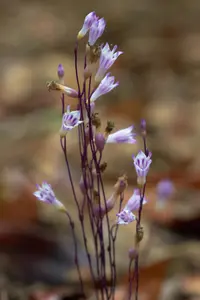
Nodding nixie, Apteria aphylla, is a tiny, leafless, mycoheterotrophic wildflower that relies on soil fungi instead of photosynthesis for energy. It produces delicate, pale, nodding flowers on slender stems emerging from the forest floor. This plant is typically found in warm, humid, shaded woodlands, especially in the southeastern United States, where leaf litter and undisturbed soil support its fungal partners. Its dependence on specific fungi and stable habitat makes cultivation very challenging, even for experienced growers. Gardeners who wish to care for Nodding nixie should understand that it is best appreciated in its natural environment rather than as a conventional garden or indoor plant.

Main Plant Requirements

Care Difficulty

Hard Care

Light Preference

Shade

Water Requirements

Keep Soil Moist

Temperature Preference

Tropical / Frost Sensitive

Hardiness Zone

8–11

Soil Texture

Sandy, Peaty, Organic-rich

Soil pH

Strongly acidic (4.5–5.5)

Soil Drainage

Waterlogged tolerant

Fertilization

Minimal (feed rarely)

Get Personalized Care Plan

Scan your plant to receive care tips personalized for your specific plant

Available on iOS and Android

How to Care for the Nodding nixie

This mycoheterotrophic woodland herb prefers low light conditions that mimic a shaded forest floor.

  • Provide bright shade or dappled light, with no more than 1–2 hours of weak early morning sun; avoid direct midday or afternoon sun that can scorch its delicate tissues.
  • Grow Nodding nixie under a high tree canopy, where taller plants or leaf litter naturally filter light throughout the day.
  • In summer, protect from strong sun and reflective surfaces; in late autumn and winter, slightly increased indirect light is acceptable if temperatures remain mild.

This species relies on consistently moist but not flooded soil in its native woodland habitat.

  • Maintain evenly moist substrate, allowing only the upper 1–2 cm to lose surface sheen before watering again; do not allow the rooting zone to dry completely.
  • Use a loose, humus-rich, sharply draining mix to prevent stagnant water around the fine roots of Apteria aphylla, which is sensitive to prolonged saturation.
  • Watch for pale, shriveling stems as a sign of underwatering and soft, collapsing tissue or sulfur-like odor as early signs of overwatering and root rot risk.

This small woodland plant prefers warm, frost-free conditions similar to a sheltered forest understory.

  • Aim for an active growth range around 70–80°F (21–27°C), with consistently warm nights to support its mycoheterotrophic lifestyle in the soil.
  • Protect from cold; brief dips to 50°F (10°C) are usually tolerated, but exposure below 45°F (7°C) and any frost can damage or kill the plant.
  • In hot spells above 86°F (30°C), increase shade and soil moisture while ensuring airflow, since trapped heat and stagnant air raise stress and disease pressure.

This fully mycoheterotrophic woodland herb relies on consistently moist, humid microhabitats rather than dry indoor air.

  • Aim for 60–90% humidity, similar to a shaded, damp forest floor or bog edge.
  • Dry air causes wilting, tissue collapse, and faster dieback of the delicate flowering stems.
  • Increase humidity with close planting among mosses, constant moist substrate, and placement in a sheltered, misty woodland or boggy setting, not open, breezy spots.

This species depends on a consistently moist, organic, and fungal-rich substrate rather than conventional potting soil.

  • In nature Apteria aphylla grows in saturated, peaty, or sandy-peat soils with high organic matter and abundant leaf litter.
  • Aim for a loose, spongy mix such as milled sphagnum peat with fine sand and well-decayed leaf mold to maintain moisture without compaction.
  • Keep drainage slow but functional; soil should stay evenly wet, never drying out completely yet not forming standing water above the surface.
  • Avoid mineral-heavy, alkaline, or fertilizer-rich mixes, which disrupt the mycorrhizal fungi this plant parasitizes.

This species is generally unsuitable for conventional container culture because it relies on complex mycorrhizal associations in undisturbed soil.

Apteria aphylla, or Nodding nixie, is a mycoheterotrophic wildflower that normally requires no fertilization when grown in suitable native soil with its fungal partner present.

Apteria aphylla does not benefit from horticultural pruning and should generally be left undisturbed.

This species is best maintained in place, since disturbing its roots and associated fungi usually harms the plant.

  • Avoid lifting or transplanting plants unless for scientific conservation work with proper permits, as the mycorrhizal association is highly sensitive.
  • If a move is unavoidable, do it during dormancy, transferring a generous intact plug of original soil around the roots.
  • Prepare the new site with similar native soil, light, and moisture, avoiding fertilizers or soil amendments that alter fungal communities.
  • Keep the root zone evenly moist but not waterlogged after transplanting, and avoid further disturbance so the plant can re-establish.

Apteria aphylla propagation is rarely successful in cultivation because it depends on specific mycorrhizal fungi for nutrition and seedling establishment.

In its native range, Apteria aphylla is naturally cold tolerant for local conditions and usually needs no special winter care when grown in the ground.

Care Tips

Mimic woodland litter

Top-dress the planting area with a very thin layer of fine, partially decomposed leaf litter to imitate its natural pine or mixed-woods habitat while keeping the rhizomes just at or below the surface.

Maintain fungal partners

Avoid fungicide use in the immediate area and disturb the soil as little as possible so the mycorrhizal fungi that feed this mycoheterotrophic species are not disrupted.

Gentle site marking

Flag or discreetly mark the colony edges when in growth so foot traffic, raking, or mulching crews do not compact or disturb the delicate underground system in the dormant season.

Controlled companion planting

Use only shallow-rooted, low, open-ground companions such as mosses or small native woodland herbs nearby, avoiding vigorous groundcovers that can outcompete the shared fungal network.

Document seasonal timing

Keep simple notes or photos of emergence and flowering dates each year, which helps fine-tune tasks like leaf-litter management and path placement when caring for Nodding nixie in a naturalized bed.

Common Pests and Diseases

Soil-borne fungal wilt

This disease affects the delicate mycoheterotrophic stems and can cause sudden collapse and discoloration at the soil line. Symptoms include yellowing, softening, and rapid death of above-ground tissue, often in disturbed or compacted wet sites.

Solution

Reduce disturbance around colonies, avoid soil compaction, and keep the site free-draining to limit fungal buildup. Where individual plants show collapse, gently remove and dispose of infected tissue and allow the area to dry slightly; avoid adding organic mulch directly on top of Nodding nixie shoots to discourage fungal growth as part of broader Apteria aphylla care.

Slugs and snails

These pests feed on the soft, leafless flowering stems and buds, often leaving ragged wounds or completely severed shoots at ground level. Damage is most common in persistently moist, shaded microsites.

Solution

Hand-pick slugs and snails in the evening or early morning and remove nearby debris or thick leaf litter that provides daytime shelter, while still leaving enough natural cover for the associated fungi. If pressure is high, use iron phosphate-based slug baits placed at a distance from the small plants to avoid direct contact with their fragile stems.

Fungal stem blight

This disease causes small water-soaked lesions that turn brown or black on the thin stems and floral structures. In humid, stagnant air, lesions can merge and girdle stems, leading to tipping or collapse.

Solution

Improve air movement around natural or cultivated patches by gently thinning overlying herbaceous growth rather than disturbing the soil itself. Remove and discard blighted stems before they sporulate, and avoid overhead watering or any practice that repeatedly wets the stems.

Interesting Facts

Leafless and achlorophyllous

This species lacks true leaves and chlorophyll, so it cannot photosynthesize and relies entirely on fungi for organic carbon and nutrients.

Mycoheterotrophic lifestyle

It forms specialized relationships with soil fungi associated with nearby trees, stealing the carbohydrates that those fungi obtain from the trees.

Tiny ephemeral flowers

The plant produces delicate, pale, nodding flowers that appear only briefly above the leaf litter in wet, sandy pine flatwoods and similar habitats.

Botan icon

Did you know?

Apteria aphylla belongs to the Burmanniaceae, a family dominated by mycoheterotrophic herbs, and its highly reduced, translucent body is considered an advanced adaptation to deep shade habitats where light levels are too low for efficient photosynthesis.

FAQs about Nodding nixie

This tiny mycoheterotrophic wildflower spreads slowly through underground connections with specific fungi and nearby tree roots. It forms small, scattered colonies rather than dense carpets, so it is not considered aggressive in naturalistic garden settings.

Grow Healthy Plants with Botan Care

Keep your plants happy and healthy with plant identification, disease detection, and easy care guidance.

Botan plant care app — identify plants on mobile

Explore More Plants