valley ringstem Care (Anulocaulis annulatus)

valley ringstem

About valley ringstem

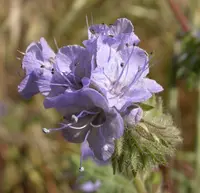
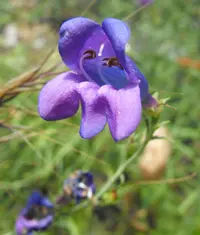
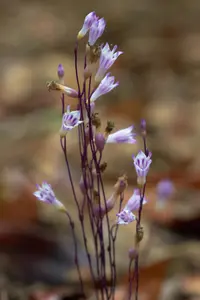
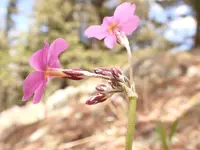
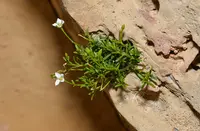
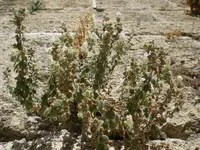
Valley ringstem, Anulocaulis annulatus, is a small perennial herb native to dry desert valleys of the southwestern United States and northern Mexico. It typically forms low clumps with slender, branching stems and narrow leaves.

The plant often shows sticky or glandular stem joints, a trait that helps it cope with arid, exposed habitats. Its modest flowers and drought tolerance make it more suited to naturalistic or xeric plantings than to decorative indoor displays.

Because it comes from harsh, low-rainfall environments, it prefers full sun, fast-draining soil, and careful watering. Understanding these desert adaptations is key to how to care for valley ringstem in cultivation.

Main Plant Requirements

Care Difficulty

Moderate Care

Light Preference

Full Sun

Water Requirements

Low Water

Temperature Preference

Warm Climate

Hardiness Zone

8–10

Soil Texture

Sandy, Loamy, Rocky

Soil pH

Slightly alkaline (7.0–7.5)

Soil Drainage

Well-drained

Fertilization

Minimal (feed rarely)

Get Personalized Care Plan

Scan your plant to receive care tips personalized for your specific plant

Available on iOS and Android

How to Care for the valley ringstem

This desert perennial thrives in strong light and needs full sun for best growth.

  • Provide 6–8 hours of direct sun daily; an open south- or west-facing exposure suits valley ringstem in most arid and semi-arid climates.
  • Tolerates brief partial shade, especially light afternoon shade in very hot regions, but prolonged shade leads to weak, floppy stems and reduced flowering.
  • In summer, monitor for leaf scorch or bleaching under extreme heat; in cooler seasons, avoid shading from taller plants or structures that shorten direct-sun hours.

This species is drought-adapted and prefers thorough but infrequent watering.

  • Outdoors in arid climates, water only when the top 5–7 cm of soil are completely dry; in native-like sandy sites this may mean long intervals between soakings.
  • Use sharply draining, gritty or sandy soil so excess water runs off quickly; Anulocaulis annulatus is prone to root rot in compacted or waterlogged ground.
  • Reduce or stop watering during cool dormant periods when stems die back; signs of overwatering include yellowing, soft stems, while severe wilting and crisp foliage indicate prolonged drought stress.

This desert-adapted plant favors warm to hot conditions with low moisture stress.

  • Ideal growing temperatures are about 70–90°F (21–32°C), matching long, warm summers common in its native range.
  • Mature plants tolerate short dips to around 25°F (−4°C) if soil is very well-drained, but repeated hard frosts or frozen, wet ground can kill roots.
  • Heat tolerance is high up to about 100–105°F (38–41°C) when soil is dry and air is moving; in cooler, wetter climates, prioritize sharp drainage and a warm microclimate.

This desert perennial tolerates low humidity and does not need special moisture in the air.

  • Target 20–40% humidity, similar to dry indoor air or arid outdoor climates.
  • The plant tolerates very dry air; humidity stress is rare compared with overwatering stress at the roots.
  • If valley ringstem foliage wilts while soil is dry and heat is extreme, offer brief shade and ensure soil is not waterlogged rather than raising humidity.

This species prefers very well-drained, sandy soil that mimics its native desert conditions.

  • Use a mineral-rich, gritty mix such as 50–60% coarse sand or small gravel with the rest cactus potting mix.
  • Ensure rapid drainage so water does not pool; standing moisture around roots quickly leads to rot.
  • Aim for slightly alkaline to neutral pH around 7.0–8.0, avoiding strongly acidic mixes heavy in peat.
  • Improve aeration by adding extra perlite or pumice and avoid dense clay or compacted garden soil that stays wet.

This species can be grown in containers if fast-draining, shallow to medium-depth pots are used.

  • Choose a wide, heavy container so the spreading root system has lateral space and the plant stays stable in wind.
  • Prefer unglazed clay pots, which allow faster evaporation and help prevent chronically wet roots in a gritty mix.
  • Raise the pot on feet or bricks so drainage holes stay clear and water can exit quickly after irrigation or rain.

This desert perennial grows on poor soils and usually needs no fertilizer when planted in the ground.

Anulocaulis annulatus needs only light, maintenance pruning to stay healthy and tidy in cultivation.

  • Carry out any pruning in late winter or very early spring, before active growth resumes.
  • Use clean, sharp hand pruners to remove dead, diseased, or storm-damaged stems at the base.
  • Thin out badly crossing or crowded stems to maintain air flow and a natural, open shape.
  • Avoid heavy cutting into healthy tissue, since excessive removal can stress this naturally sparse plant.

This species is seldom container-grown, so focus on careful transplanting rather than frequent repotting.

  • Transplant during cool, stable weather in early spring or early fall to limit heat stress.
  • Look for signs such as stunted growth or roots circling a nursery pot as indicators a shift is needed.
  • Move into a slightly larger, very free-draining site or container to suit its dryland growth habit.
  • Handle the root system gently, keep the original soil ball intact, water once, then allow soil to dry between light irrigations.

Propagation of Anulocaulis annulatus is usually done by seed and suits patient growers best.

  • Collect ripe seed from dry capsules and sow in late winter to early spring.
  • Use a gritty, free-draining mix and barely cover the seeds to reduce rotting risk.
  • Provide bright light, good air flow, and moderate warmth around 65–75°F for germination.
  • Keep the substrate just slightly moist until seedlings establish, then gradually shift to drier conditions.

This species is adapted to cold desert climates and usually needs minimal winter care once established outdoors.

  • In regions with severe freezes below local norms, apply a light, dry mulch around the crown after soil cools.
  • Avoid waterlogged conditions in winter, since saturated soil increases root rot risk.
  • Container plants in marginal climates can be moved to an unheated, bright, frost-free space until spring.

Care Tips

Heat-stress protection

In hottest climates, provide a light shade cloth or plant near a rock that casts afternoon shade to reduce heat stress on stems and flower buds during extreme heat waves.

Targeted gravel mulch

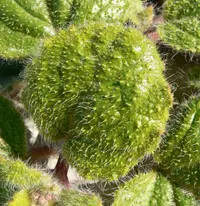
Apply a 2–4 cm top layer of coarse mineral grit or small gravel around, but not touching, the crown to keep the root zone cool, reduce evaporation, and prevent soil crusting after infrequent rains or irrigations.

Root-zone restraint

Plant in a relatively deep but not overly wide container or rock-garden pocket to gently confine roots, which helps maintain a compact, floriferous habit rather than lush, weak growth.

Winter moisture control

In regions with wet winters, grow Anulocaulis annulatus in a raised bed or sloped site so excess rain drains away quickly and the thickened roots do not sit in cold, saturated soil.

Seedling establishment timing

Start seeds or transplant young plants at the beginning of a reliably warm, dry period so roots can penetrate deeply before heavy rains or early frosts, which improves long-term success when growing valley ringstem.

Common Pests and Diseases

Spider mites

This pest tends to appear on valley ringstem during hot, dry periods in its native desert-like conditions. Symptoms include fine webbing on stems and undersides of leaves, pale stippling, and gradual leaf decline.

Solution

Rinse stems and foliage thoroughly with a firm stream of water to dislodge mites, then repeat every few days until activity drops. For persistent issues, use an insecticidal soap or neem oil spray applied in the early morning, and avoid prolonged extreme dryness in potted plants by maintaining minimal but regular watering without creating soggy soil, which supports practical Anulocaulis annulatus care.

Leafhoppers

These insects can feed on tender shoots and leaves, causing small pale spots, curling, and occasional distortion of new growth. In some cases, they may also transmit minor leaf mottling viruses between nearby plants.

Solution

Remove plant debris around the base to reduce hiding spots and avoid dense mixed plantings that attract leafhoppers. If numbers are high, use a gentle insecticidal soap spray directed to both sides of leaves in calm weather, and monitor new growth regularly so early feeding damage is caught quickly.

Stem canker

This disease appears as sunken, dark lesions on the fleshy stems, often starting where mechanical damage or insect feeding occurred. Symptoms include localized stem shriveling above the lesion and reduced vigor in affected shoots.

Solution

Prune out affected stem sections well below the canker using clean, sharp tools, and discard all infected material rather than composting it. Allow the plant to dry well between waterings, keep the crown free of wet mulch, and avoid overhead irrigation so stems dry quickly after rain or watering.

Powdery mildew

This disease can occasionally affect valley ringstem in sheltered, warm sites with poor airflow, leading to white, powdery coating on leaves and young stems. Symptoms include dull, distorted foliage and slower growth.

Solution

Increase air circulation by spacing plants generously and removing nearby dense vegetation, and avoid frequent light overhead watering. If powdery patches spread, treat with a sulfur-based or potassium bicarbonate fungicide labeled for ornamentals, applying in dry, mild weather and repeating as directed until new growth appears clean.

Interesting Facts

Night-opening blossoms

The pale, tubular flowers typically open in the evening and are short-lived, an adaptation that likely aligns with the activity patterns of nocturnal or crepuscular pollinators in its desert habitat.

Glandular, sticky stems

This species has distinctive jointed stems with glandular, sticky nodes that can trap small insects and blowing sand, which is thought to help reduce herbivory and water loss on exposed desert sites.

Desert gypsum specialist

Anulocaulis annulatus is closely associated with arid, gypsum-rich or calcareous soils in the southwestern United States and northern Mexico, making it a habitat specialist that often indicates unusual, mineral-rich substrates.

FAQs about valley ringstem

The flowers provide nectar that attracts native bees, small wasps, and sometimes butterflies, especially in dry, open habitats. Planting several together increases visibility to pollinators and supports local insect diversity in low-water gardens.

Grow Healthy Plants with Botan Care

Keep your plants happy and healthy with plant identification, disease detection, and easy care guidance.

Botan plant care app — identify plants on mobile

Explore More Plants