


Mounting technique
Mount the plant on cork or hardwood bark with a thin layer of long-fiber sphagnum around the roots to mimic its epiphytic habit and keep the root zone evenly aerated.

Jumellea stenophylla is a small epiphytic orchid that typically grows attached to tree branches, forming compact clumps of narrow, grass-like leaves. Its delicate, pale flowers are produced on short stems and are often fragrant, especially in the evening.
This species is native to Madagascar and nearby islands, where it experiences warm, humid forest conditions with good air movement. It can be moderately challenging for beginners, mainly because it dislikes dryness at the roots and needs stable humidity.
Those who want to learn how to care for Jumellea stenophylla should be ready to provide bright filtered light, regular moisture, and a very free-draining orchid medium or mounted setup.

Care Difficulty
Hard Care

Light Preference
Bright Indirect Light

Water Requirements
Keep Soil Moist

Temperature Preference
Tropical / Frost Sensitive

Hardiness Zone
Unknown

Soil Texture
Peaty, Organic-rich

Soil pH
Acidic (5.5–6.5)

Soil Drainage
Moist but well-drained

Fertilization
Light (every 4–6 weeks)
Scan your plant to receive care tips personalized for your specific plant
Available on iOS and Android
This orchid prefers bright, filtered light that mimics dappled forest shade.
This species prefers evenly moist conditions without staying waterlogged.
This orchid thrives in mild to warm temperatures with little extreme fluctuation.
This epiphytic orchid needs consistently high humidity to thrive indoors.
Jumellea stenophylla prefers an airy, fast-draining, organic-based medium rather than compact potting soil.
This orchid is well suited to container culture, especially in small slatted baskets or ventilated orchid pots.
This orchid benefits from light, consistent feeding rather than heavy applications.
This species needs minimal pruning, focused on hygiene and maintaining a neat outline.
This orchid prefers infrequent repotting, as disturbance can slow growth temporarily.
This orchid is usually propagated by careful division rather than from seed in home conditions.
This tropical orchid is not frost tolerant and needs mild, stable conditions over winter.

Plant Health Check
Not sure what's wrong with your plant? Check your plant's health inside the app.
This orchid is believed to be pollinated mainly by night-flying hawkmoths that can access its narrow, elongated spur where the nectar is stored deep inside the flower.
It is naturally restricted to certain woodland and forest habitats in Angola and Zambia, making it a regional endemic with a comparatively limited known wild range.
In nature it often grows as an epiphyte on tree branches in relatively open, seasonally dry woodland, which shapes many of the practical Jumellea stenophylla care instructions used by growers.
This species usually blooms in the warmer months, often late spring to summer. It produces slender, tubular white flowers with a long spur and a noticeable evening fragrance, adapted for moth pollination in its native habitat.
Keep your plants happy and healthy with plant identification, disease detection, and easy care guidance.

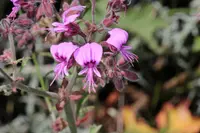
Hispid pelargonium
Pelargonium hispidum
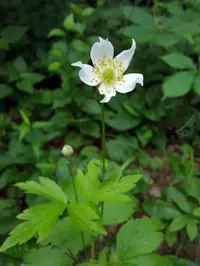
tall thimbleweed
Anemone virginiana
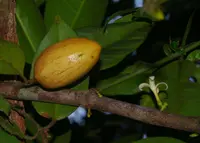
Ambelania acida
Ambelania acida

Golden Pothos
Epipremnum aureum 'Marble Queen'

Tillandsia juncea
Tillandsia juncea
 POPULAR
Madagascar jasmine
Stephanotis floribunda
Peperomia
Peperomia caperata 'Emerald Ripple'
false golden polypody
Phlebodium pseudoaureum