Aciphylla horrida Care

Aciphylla horrida

About Aciphylla horrida

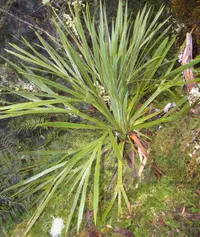
Aciphylla horrida is a hardy, evergreen perennial from alpine and subalpine regions of New Zealand. It forms dense clumps of rigid, sharply divided leaves that create a bold, architectural look. Tall flower spikes rise above the foliage, carrying many small yellow to greenish flowers that attract insects. The plant’s stiff, spiny foliage offers strong visual interest but also makes it less child- and pet-friendly to handle. This species prefers cool conditions, strong light, and sharply drained, rocky or sandy soil. Its tolerance of wind, cold, and poor soil can make it rewarding for gardeners who learn how to care for Aciphylla horrida in suitable climates.

Main Plant Requirements

Care Difficulty

Moderate Care

Light Preference

Full Sun

Water Requirements

Low Water

Temperature Preference

Cold Hardy

Hardiness Zone

6–9

Soil Texture

Sandy, Loamy, Rocky

Soil pH

Slightly acidic (6.5–7.0), Neutral (7.0)

Soil Drainage

Well-drained

Fertilization

Minimal (feed rarely)

Get Personalized Care Plan

Scan your plant to receive care tips personalized for your specific plant

Available on iOS and Android

How to Care for the Aciphylla horrida

This alpine species prefers strong light and cool conditions that mimic open mountain habitats.

  • Provide 6–8 hours of full sun daily in cool to mild climates; in hotter lowland sites, aim for morning sun and light afternoon shade to prevent leaf scorch.
  • Tolerates light partial shade, but plants grown with less than 4–5 hours of direct sun become sparse, weaker, and more prone to lodging.
  • In summer, monitor for yellowing or crisp edges as a sign of excessive heat; in winter, ensure the site remains open and not shaded by taller plants or structures.

This plant prefers free-draining, slightly dry soil rather than consistently moist conditions.

  • Allow the top 3–5 cm of soil to dry between waterings; in the ground, this often means waiting until the soil feels dry and loose rather than cool and sticky.
  • During active growth in spring and early summer, water deeply but infrequently so moisture reaches the root zone, then drains away quickly through gritty or rocky soil.
  • In late summer and winter, reduce watering; watch for limp, wrinkling foliage as a sign of drought stress, and for soft, blackened crowns as an indication of overwatering or poor drainage.

This hardy perennial is adapted to cool, exposed climates with significant temperature variation.

  • Optimal growth occurs around 50–68°F (10–20°C), especially in well-ventilated, open sites with low to moderate humidity.
  • Mature plants generally tolerate cold down to about 5–14°F (-15 to -10°C) if soil drains freely, but extended freeze-thaw cycles in wet ground can damage crowns and roots.
  • In hot regions, prolonged temperatures above 86°F (30°C) combined with strong sun can stress plants, so provide midday shade and ensure excellent soil drainage during heat waves.

This alpine species tolerates relatively dry air and usually does not need special humidity management.

  • Target 30–50% humidity, similar to average indoor air, as long as soil moisture is appropriate.
  • Dry household air is usually tolerated if the root zone is not allowed to dry out completely for long periods.
  • If leaf tips brown and new growth is stunted, check for underwatering and heat stress rather than low humidity.

Soil for Aciphylla horrida should be mineral, sharply drained, and low in organic matter to mimic its native alpine habitats.

  • Use a sandy or gritty mix such as 50–70% coarse sand or fine gravel blended with a lean loam-based substrate.
  • Ensure very rapid drainage; water should flow through the pot or bed within seconds, with no puddling or waterlogging.
  • Aim for slightly acidic to neutral pH around 6.0–7.0, avoiding strongly acidic peat-heavy mixes or rich manures.
  • Improve aeration by adding pumice or small gravel, and avoid compacted or clay-based soils that hold prolonged moisture.

This species can be grown in containers if provided with a deep, very free-draining, and stable setup.

  • Choose a tall, heavy container so the deep taproot can extend while the spiky rosette remains stable in wind.
  • Fill the pot with a gritty mix that is at least half mineral aggregate so water drains away within seconds after watering.
  • Raise the container on pot feet or bricks so drainage holes stay clear and excess water cannot pool under the base.

This tough New Zealand alpine species usually thrives in poor, well-drained soils and needs minimal feeding.

  • If container-grown, use a low-dose, balanced NPK fertilizer at half strength once in early spring only.
  • Avoid rich compost or frequent feeding, which can cause soft, weak growth in Aciphylla horrida.
  • Do not fertilize during winter or when growth is clearly dormant.
  • Flush pots with plain water once or twice in the growing season to prevent salt buildup.

Pruning needs are very light for Aciphylla horrida and focus on hygiene rather than shaping.

  • Best time for any work is late winter to early spring before strong new growth starts.
  • Use clean, sharp scissors or hand pruners to remove dead, diseased, or completely dried foliage.
  • Cut spent flower stems back to the base once seed has dropped, avoiding green, active tissue.
  • Do not cut into the central rosette, as this can weaken or disfigure the plant long term.

This deep-rooted alpine plant dislikes disturbance, so transplant Aciphylla horrida only when clearly necessary.

  • Look for roots circling the pot drainage holes, very slow growth, or soil that dries almost instantly as signals to move it.
  • Carry out transplanting in early spring or early autumn, avoiding hot or freezing periods.
  • Handle the taproot and crown gently, shifting into a slightly larger, very free-draining container or ground hole.
  • Water lightly after transplanting, then allow the soil to dry slightly between waterings to limit root stress and rot risk.

Propagation of Aciphylla horrida is possible but slow, and most success comes from fresh seed rather than division.

  • Sow ripe seed in late summer to autumn in deep trays with sharply drained, gritty mix.
  • Provide cool conditions and natural winter chilling; germination may be staggered over many months.
  • Keep the medium just barely moist, never wet, to prevent damping-off disease in seedlings.
  • Transplant seedlings only when they have a firm root system, disturbing the taproot as little as possible.

This species is cold hardy in many temperate regions and usually needs only modest winter attention outdoors.

  • Aciphylla horrida tolerates frost and light snow when planted in sharply drained soil.
  • In very wet winters, use gravel mulch around the crown to improve drainage and reduce rot.
  • For container plants in colder areas, move pots to a cold, sheltered spot to avoid waterlogged, frozen media.

Care Tips

Wind exposure management

Site the plant in an open but not funnel-like wind corridor so the rigid foliage is air-dried after rain yet not battered by constant, focused gusts that can snap older spears at the base.

Sharp foliage safety

Install a low, discrete barrier or rocks around the clump to keep children, pets, and bare legs away from the stiff, spiny leaves, especially along paths or near work areas.

Snow and ice handling

In heavy snow regions, gently brush off wet, compacted snow after storms to prevent mechanical breakage of the tall flowering stems while leaving light, powdery snow in place as insulation.

Seed head management

After flowering, leave some seed heads standing through late summer to allow natural reseeding, then cut and remove remaining umbels before winter to reduce self-sown congestion and maintain a defined clump.

Alpine drainage enhancement

When growing Aciphylla horrida in wetter regions, set the crown slightly on a low gravel mound or raised berm so water runs away from the root zone, mimicking its native alpine scree conditions.

Common Pests and Diseases

Grass grub

This pest lives in the soil and feeds on roots, leading to weak growth, poor anchoring, and yellowing or collapse of foliage in clumps. Symptoms include plants pulling up easily from the ground with chewed or absent fine roots.

Solution

Lift a small section of soil around declining plants and hand-pick any white C-shaped grubs. Reduce adult beetle populations with light traps where practical, encourage natural predators such as birds by avoiding broad-spectrum insecticides, and, in severe cases, treat the surrounding turf or open soil with a soil-applied grub-control product labeled for ornamental plantings, following local regulations.

Porina caterpillar

These insects are nocturnal larvae that feed at ground level, chewing leaf bases and crowns so that fans die back from the outside inward. Symptoms include irregular notches, collapsed outer leaves, and small soil-covered tunnels or casts near plants.

Solution

Inspect at night with a flashlight and hand-remove caterpillars found emerging from soil around plants. Where damage is significant, reduce surrounding rank grass that shelters larvae, use physical barriers such as coarse gravel mulch around crowns, and consider targeted biological products based on Bacillus thuringiensis (Bt) applied to nearby pasture or rough grass, in line with local guidance.

Crown rot

This disease develops in poorly drained or compacted sites, causing the central growing point to soften, brown, and eventually collapse. Symptoms include sudden browning of inner leaves, foul-smelling tissue at the crown, and easy detachment of affected sections.

Solution

Remove and destroy all rotted crown material and improve site drainage by raising the planting area and using a very free-draining, gritty soil mix. Avoid overhead watering, space plants so air can move freely, and in high-value plantings consider preventative drenching with a labeled fungicide for crown and collar rots in very wet seasons, following all label directions.

Leaf spot

This disease appears on foliage as small brown or dark olive spots that may merge into larger patches, especially in cool, wet periods. Symptoms include premature leaf yellowing and cosmetic damage that can weaken already stressed plants.

Solution

Trim and dispose of affected leaves to reduce spore sources and avoid wetting the foliage when irrigating. Improve air circulation around clumps, avoid overcrowding, and use a protectant fungicide labeled for foliar leaf spots on ornamentals if the plant must be kept in a damp, shaded setting where reinfection is likely.

Interesting Facts

High alpine specialist

This New Zealand endemic grows naturally in exposed subalpine and alpine grasslands, often above the treeline, where it tolerates strong winds, intense UV radiation, and frequent frosts.

Remarkable leaf armature

The plant forms dense rosettes of extremely rigid, sharply pointed leaf segments that act as a physical defense against grazing animals such as sheep and introduced deer.

Umbellifer with a twist

Although it belongs to the carrot and parsley family (Apiaceae), this species looks more like a spiny tussock than a typical umbellifer, yet still produces the characteristic umbrella-shaped clusters of small flowers on tall stems.

Botan icon

Did you know?

In some South Island high country areas, dense stands of this species can significantly influence grazing patterns, forcing livestock to avoid patches where the spiny rosettes are abundant and thereby creating small, informal refuge zones for less defended alpine plants.

FAQs about Aciphylla horrida

This species is best suited to outdoor conditions that mimic its native alpine grasslands: full sun, excellent drainage, and cool, airy sites. Indoors it usually struggles with low light, stagnant air, and excess moisture in pots.

Grow Healthy Plants with Botan Care

Keep your plants happy and healthy with plant identification, disease detection, and easy care guidance.

Botan plant care app — identify plants on mobile

Explore More Plants